Urban farming art projects creatively blend agriculture and aesthetics to transform city spaces into vibrant, sustainable areas that boost community pride and environmental health. By incorporating murals, edible plants, and eco-friendly materials, you can turn neglected sites into lively hubs of growth and social connection. These projects not only beautify neighborhoods but also educate residents on sustainability. Keep exploring to discover how these inspiring initiatives foster resilient, green urban environments through art and agriculture working together.
Key Takeaways
- Combine artistic murals and sculptures with edible plants to create visually striking, sustainable urban green spaces.
- Engage communities through participatory planting and maintenance, fostering ownership and social bonds.
- Use eco-friendly materials and sustainable practices like rainwater harvesting and native plants for functional design.
- Incorporate art elements that also serve ecological purposes, such as reducing heat and improving air quality.
- Showcase the synergy of art and agriculture to transform neglected areas into vibrant, productive, and inspiring neighborhoods.
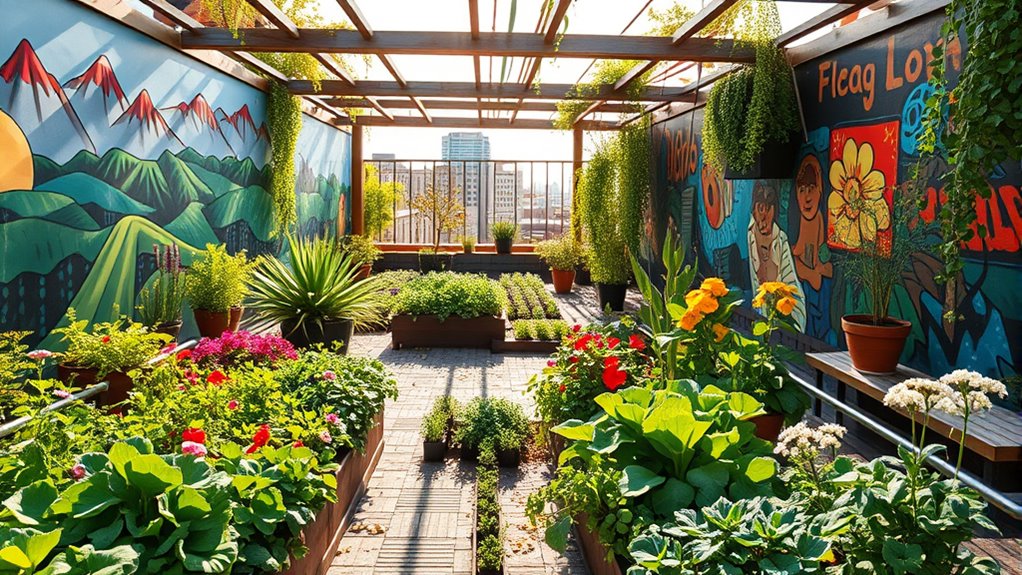
Have you ever wondered how art can transform urban spaces into vibrant, productive environments? Urban farming art projects do just that by blending creativity with practicality, turning blank walls and neglected lots into lively hubs of growth and inspiration. These projects don’t just promote sustainability; they also foster a sense of community, making neighborhoods more connected and resilient. When you approach urban farming through the lens of art, it becomes more than just growing food—it becomes a statement about sustainable design that integrates nature into the city’s fabric. By incorporating artistic elements into farming spaces, you encourage residents to see these areas as shared assets rather than overlooked corners. This approach invites community engagement, giving people a stake in the success of local food production while sparking conversations about environmental responsibility.
Urban farming art transforms neglected spaces into vibrant, community-driven hubs that blend creativity, sustainability, and environmental responsibility.
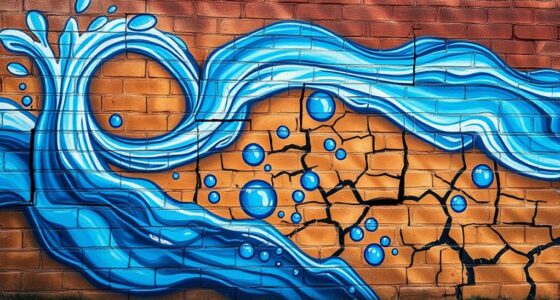
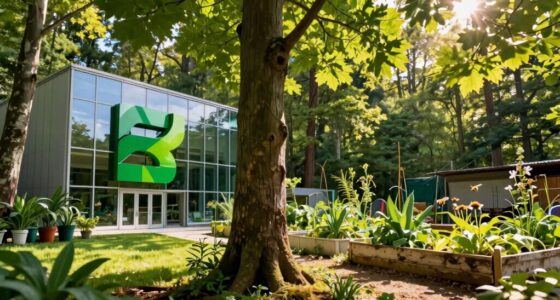
In practice, urban farming art projects often involve murals that depict local plant life or the history of the neighborhood, inspiring pride and awareness. Some projects embed edible plants directly into artistic installations, transforming sculptures or murals into living, breathing pieces of sustainable design. This visual fusion of art and agriculture captures attention and educates passersby about the importance of green spaces and local food systems. As you participate or observe these projects, you realize how they serve as catalysts for community engagement; residents of all ages can get involved in planting, maintaining, or simply enjoying the aesthetic appeal. This active participation strengthens social bonds and creates a shared sense of purpose.
Furthermore, these projects often prioritize sustainable design principles by using eco-friendly materials, rainwater harvesting, composting, and native plants. The artistic elements aren’t just decorative—they’re functional, helping to reduce urban heat, improve air quality, and promote biodiversity. When communities come together around these initiatives, they learn about sustainable practices firsthand, making environmental consciousness a core part of daily life. This integration of art, sustainability, and community involvement turns urban farming into a powerful tool for social and ecological revitalization. Incorporating high-quality project planning can further enhance the success and longevity of these initiatives.
Ultimately, urban farming art projects show that creativity can be a force for positive change. They challenge the conventional idea of what a city can be, illustrating that with imagination and collective effort, we can create urban spaces that are not only beautiful but also productive and sustainable. By engaging communities in these ventures, you’re helping to build more resilient, vibrant neighborhoods—proof that art and agriculture can work hand in hand to shape a better urban future.

Urban Gardening Wall Art Poster Print – My Rooftop Oasis Grows Dreams – 13×19 – Modern Abstract Style
- Inspiring Urban Garden Theme: Features uplifting phrase with vibrant plants
- High-Quality Glossy Print: Vivid colors on durable 13×19 inch paper
- Versatile Wall Decor: Suitable for various rooms and modern styles
As an affiliate, we earn on qualifying purchases.
As an affiliate, we earn on qualifying purchases.
Frequently Asked Questions
How Do Urban Farms Impact Local Biodiversity?
Urban farms boost local biodiversity by providing habitats that support pollinators and native species. When you plant native flowers and crops, you create a haven for bees, butterflies, and other pollinators, helping them thrive. These farms also encourage the preservation of native plants, which strengthens the overall ecosystem. By integrating agriculture and aesthetics, you foster a healthier, more diverse environment right in the city, benefiting both wildlife and your community.
What Are Funding Options for Urban Farming Art Projects?
You can explore grant opportunities from local government agencies, non-profits, and arts foundations to fund your urban farming art project. Additionally, consider seeking community sponsorships where local businesses or organizations support your initiative in exchange for visibility. Crowdfunding platforms like Kickstarter or GoFundMe also offer ways to raise funds directly from the community. Combining these options maximizes your chances of securing the resources needed to bring your creative vision to life.
How Can Communities Maintain These Projects Long-Term?
You can’t let these projects fade away like forgotten memories! To keep them thriving, focus on community engagement—make everyone feel invested. Develop maintenance strategies that involve locals regularly watering, pruning, and caring for the art-agriculture blend. Host events and workshops to boost ownership and enthusiasm. When the community feels connected and responsible, your urban farming art projects will flourish long-term, becoming vibrant, lasting symbols of shared creativity and sustainability.
Are There Safety Concerns With Urban Farming Art Installations?
Yes, there are safety concerns with urban farming art installations, but you can address them through hazard mitigation strategies. Make certain structures are stable, non-toxic materials are used, and proper maintenance is maintained. Regular inspections help identify potential hazards, safeguarding public safety. By proactively managing risks, you create a safe environment where community members can enjoy the beauty and benefits of these innovative projects without worry.
How Do These Projects Influence Local Real Estate Values?
You’ll likely see property appreciation and neighborhood revitalization when urban farming art projects flourish. These initiatives boost local appeal, attract new residents, and create vibrant, attractive communities. As a result, real estate values tend to rise because people want to live near innovative, eco-friendly spaces that enhance neighborhood aesthetics. Your property’s value can increase as these projects foster a sense of community pride and attract investment, making your area more desirable.

As an affiliate, we earn on qualifying purchases.
Conclusion
By weaving agriculture into the fabric of city life, you transform concrete jungles into living murals, where crops bloom like colors on a painter’s palette. These urban farming art projects don’t just grow food—they cultivate community, creativity, and connection, turning rooftops and alleyways into vibrant canvases of hope. As you embrace this harmony of nature and design, you become part of a masterpiece that nurtures both the earth and the human spirit, blooming endlessly in the city’s heartbeat.

WORM FARMING ADVENTURE: An Essential Guide for New Vermicomposters
As an affiliate, we earn on qualifying purchases.
As an affiliate, we earn on qualifying purchases.

Indoor Daisy Garden Starter Kit with Gardening Tools – Planter Bags, Markers, Soil Disks and Shears, Home Gardening Gifts for Women Men Plant Lovers
- Complete Flower Growing Kit: Includes bags, markers, soil disks, shears, and guide
- Indoor Daisy Garden: Grow beautiful daisies and flowers at home
- Stylish Planter Bags: Set of 5 decorative, non-waterproof bags
As an affiliate, we earn on qualifying purchases.
As an affiliate, we earn on qualifying purchases.