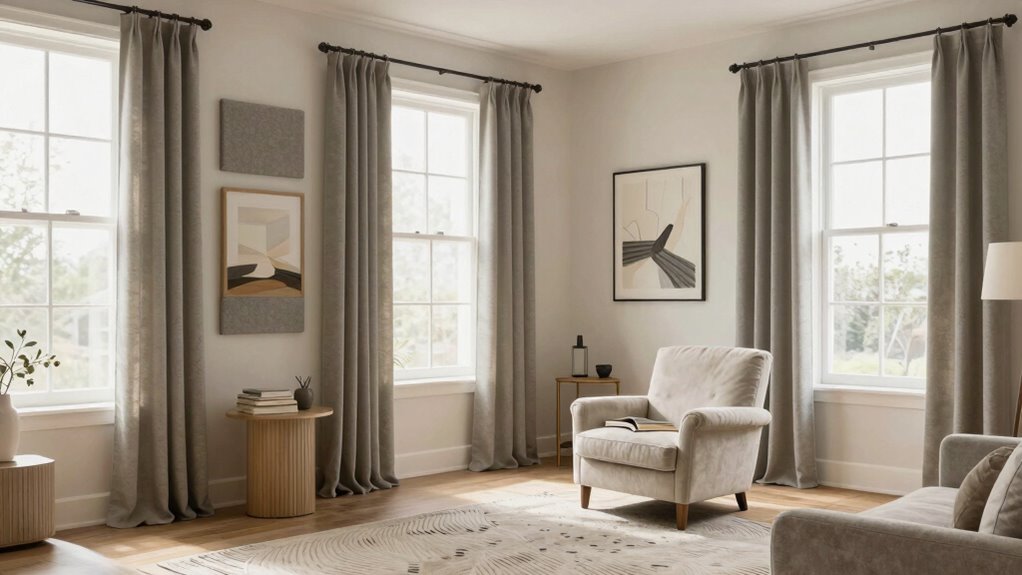

Acoustic comfort affects everyone, not just those in studios. It impacts how you feel and perform in various environments, like homes, offices, and cafés. In open spaces, echoes and chatter can distract and reduce productivity. Effective design can enhance your experience by incorporating sound absorption techniques and thoughtful layouts. By addressing acoustics in all areas, you create a more inviting and functional atmosphere. Explore how these considerations can transform your spaces even further.
Key Takeaways
- Acoustic comfort affects user experience in all spaces, not just studios, influencing productivity and relaxation in homes, offices, and public areas.
- Open-plan designs often lead to distracting echoes and noise, necessitating sound absorption solutions for better focus and efficiency.
- Effective space planning, including strategic furniture arrangement and soundproofing, is essential to enhance acoustic quality in various environments.
- Homes benefit from sound-absorbing elements like rugs and curtains, which create welcoming atmospheres by reducing noise amplification.
- In public spaces like restaurants, proper acoustic design enhances ambiance and customer satisfaction, making sound management crucial for business success.
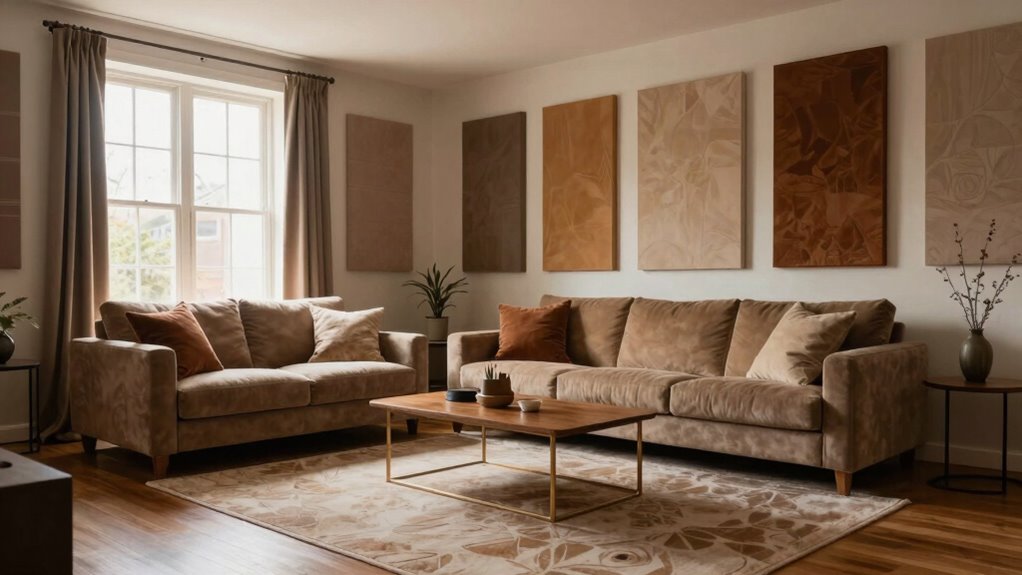
When you step into a space, the sounds around you can greatly impact your comfort and focus. It’s easy to overlook how acoustics play a role in everyday environments, yet they shape your experience more than you might realize. Whether you’re in a bustling café, a serene office, or even your own home, the sound environment can either enhance or detract from your productivity and relaxation. This is why acoustic comfort is an interior design issue, not just a concern for studios or music venues.
The sounds around you profoundly influence your comfort and focus, making acoustic comfort essential in every space we inhabit.
Imagine sitting in an open-plan office where conversations echo off the walls, making it hard to concentrate. You might find yourself distracted, struggling to focus on the task at hand. This scenario highlights the significance of sound absorption techniques in design. By incorporating materials like acoustic panels, carpets, or specialized ceiling tiles, designers can greatly reduce noise levels, creating a more pleasant atmosphere. You shouldn’t have to battle background noise just to get your work done.
Effective space planning also plays a key role in achieving acoustic comfort. When designing a space, you need to take into account how different areas will interact with one another. For instance, placing quieter workspaces away from high-traffic zones can help minimize disruptions. By thoughtfully arranging furniture and using partitions, you can create zones that promote both privacy and collaboration, enhancing the overall sound quality in the space. Recognizing the importance of sound insulation can further improve these efforts. Incorporating soundproofing techniques into interior design can make a noticeable difference in overall comfort. Additionally, understanding acoustic materials and their properties is crucial for optimizing sound management. Implementing proper sound testing during the planning phase can identify potential issues before construction is complete. Incorporating effective soundproofing solutions early on can save time and costs in the long run.
In homes, the same principles apply. You want your living areas to feel welcoming and peaceful, not chaotic and loud. Using rugs, curtains, and upholstered furniture can absorb sound and reduce echo, making your home a sanctuary. Think about how you arrange your rooms—open layouts might be trendy, but they can also amplify noise. By strategically placing walls or using room dividers, you can craft a more intimate setting that encourages conversation without overwhelming sound.
In public spaces, acoustic comfort is equally important. Restaurants, for example, thrive on ambiance, but excessive noise can drive customers away. Here, the use of sound absorption techniques becomes essential. Soft furnishings, decorative panels, and even plants can help create a more enjoyable dining experience.
Ultimately, prioritizing acoustic comfort in your design choices can lead to happier, more productive environments. By understanding the importance of sound in space planning, you can create spaces that resonate well with those who use them, enhancing their overall experience.
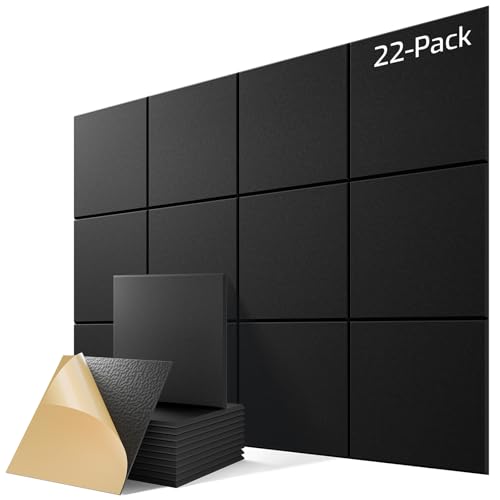
22 Pack Self-Adhesive Sound Proof Foam Panels for Walls 12"x12"x0.4" Fabric
- Effective Noise and Echo Reduction: Absorbs noise and minimizes echo
- Easy Peel-and-Stick Installation: Quick DIY setup without tools
- Premium Eco-Friendly Material: Made of durable, eco-friendly polyester fiber
As an affiliate, we earn on qualifying purchases.
As an affiliate, we earn on qualifying purchases.
Frequently Asked Questions
How Does Noise Affect Mental Health in Living Spaces?
Noise can markedly affect your mental health in living spaces. When you’re exposed to unwanted sounds, your sound perception changes, leading to increased stress and anxiety. This constant distraction disrupts your focus and can worsen mood swings. You might find it hard to relax or enjoy your home, as the psychological effects of noise create an uncomfortable atmosphere. Prioritizing acoustic comfort can help cultivate a more peaceful and mentally healthy living environment.
What Materials Are Best for Soundproofing a Room?
To effectively soundproof a room, you should consider using materials like acoustic panels, which absorb sound and reduce noise levels. Adding mass-loaded vinyl can block sound transmission, while foam panels can enhance acoustics. Thick carpets and heavy curtains also help dampen noise. Don’t forget about sealing gaps in windows and doors to minimize sound leakage. Combining these soundproofing materials will create a more peaceful and comfortable living space for you.
Can Plants Improve Indoor Acoustics?
Yes, plants can improve indoor acoustics! Studies show that adding greenery can reduce noise levels by up to 10%. Certain plant types, like peace lilies and rubber plants, excel at sound absorption, helping to muffle unwanted sounds. Their leaves and structure trap sound waves, creating a more serene environment. Plus, they enhance air quality and aesthetics, making your space feel more inviting. So, why not incorporate some plants for better acoustics?
How Does Lighting Influence Acoustic Comfort?
Lighting influences acoustic comfort by affecting how you perceive ambient sound. When you use light modulation, like dimming or adjusting color temperature, it can create a calmer atmosphere, helping to mask distracting noises. Softer, warm lighting often reduces tension, allowing you to focus better and enjoy your space more. By thoughtfully choosing your lighting, you can enhance the overall acoustic experience, making it feel more inviting and less chaotic.
What Are Common Sources of Noise Pollution in Homes?
Common sources of noise pollution in homes include traffic sounds from nearby roads, appliance noise from devices like dishwashers and washing machines, and neighbor disturbances from loud music or parties. You might also encounter construction vibrations if there’s nearby work being done, and outdoor activities like lawn mowing can add to the chaos. Finally, electronic devices, such as TVs and computers, often contribute to the overall noise level, affecting your comfort.
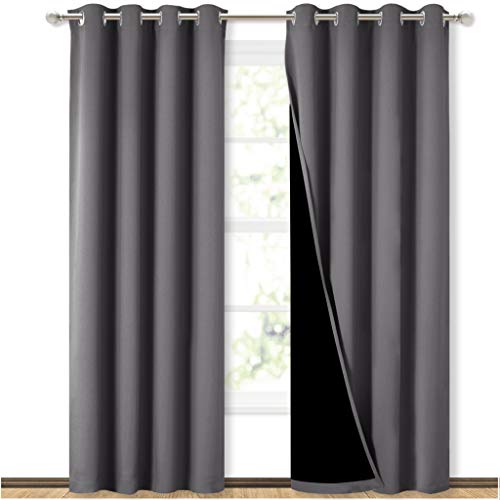
NICETOWN Grey Full Shade Curtain Panels for Dining Room 52×84 in 2 Panels
- Blackout and Noise Reduction: Blocks light and reduces noise
- Dimensions: 52 x 84 inches per panel
- Easy Installation: Silver grommets fit standard rods
As an affiliate, we earn on qualifying purchases.
As an affiliate, we earn on qualifying purchases.
Conclusion
Acoustic comfort in interior design isn’t just a background note; it’s the melody that defines a space. By prioritizing sound in your designs, you create an environment where conversations flow smoothly and distractions fade away. Just like a well-composed symphony, every element contributes to a harmonious atmosphere. So, when you’re planning your interiors, remember that sound quality can elevate your space, making it not just visually appealing, but also a sanctuary of comfort.

Sonicism 12 Pack Acoustic Wall Panels with Self-Adhesive, 12" X 12" X 0.4" Sound Proof Foam Panels, Decorative Soundproof Wall Panels, Sound Proof Absorbing Tiles for Home & Offices, Black
- Easy to Install: Self-adhesive, no extra tools needed
- Decorative Acoustic Panels: Features unique patterns and colors
- High-Quality Materials: Made of safe, high-density polyester fiber
As an affiliate, we earn on qualifying purchases.
As an affiliate, we earn on qualifying purchases.

3 Panel Soundproof Room Divider, Portable Acoustic Office Divider
- Noise Reduction Material: Absorbs at least 85% of noise
- Easy Mobility: Equipped with 12 self-lockable wheels
- Stable & Durable: Rust-proof metal base for longevity
As an affiliate, we earn on qualifying purchases.
As an affiliate, we earn on qualifying purchases.