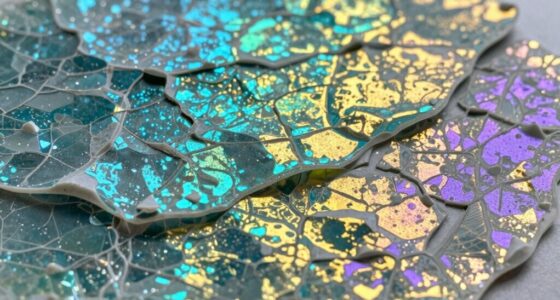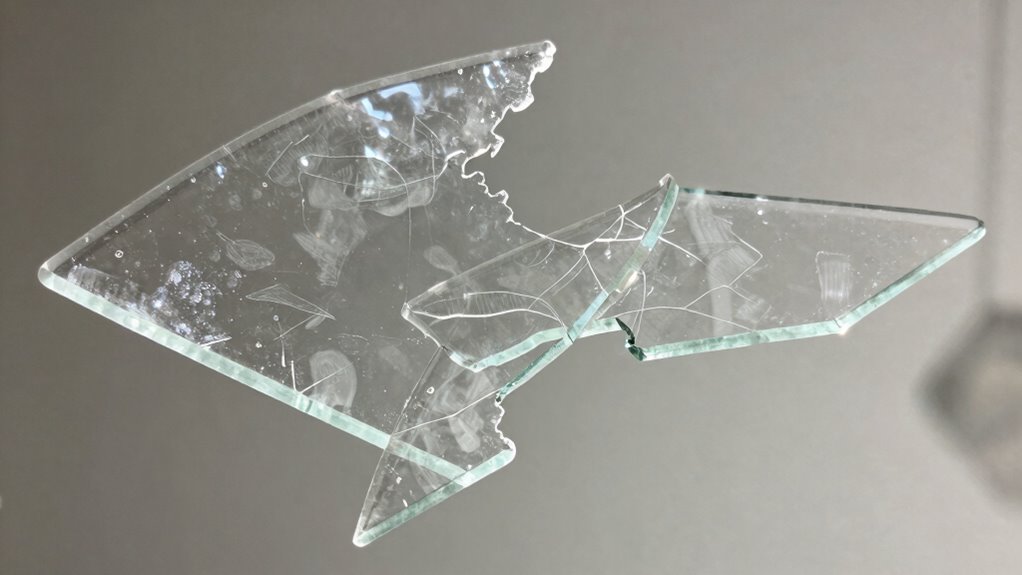

You can explore fragility through living or reactive materials by emphasizing their unpredictability and delicate nature. Artists choose fragile media like glass, paper, or organic substances to symbolize emotional boundaries and vulnerability. They embrace imperfections and the materials’ changing responses to evoke emotional truths and foster intimacy. Working with these materials requires patience, acceptance, and active engagement, creating authentic connections between the artwork and viewer. If you’re curious, you’ll discover more ways these expressive techniques bring vulnerability to light.
Key Takeaways
- Artists use fragile materials like glass or paper to symbolize emotional boundaries and vulnerability.
- Reactive materials such as clay or organic substances visually embody the transient and unpredictable nature of emotions.
- The unpredictable responses of living materials create dynamic artworks that reflect emotional instability and honesty.
- Working with delicate media requires patience, embracing imperfections as authentic expressions of vulnerability.
- The process of engaging with fragile materials fosters deeper emotional connections and invites viewer reflection on fragility.

Have you ever considered how the choice of art materials reveals the delicate nature of vulnerability? When you select certain media, you’re not just choosing a tool; you’re embedding a layer of material symbolism that communicates your innermost feelings. For example, using fragile materials like glass, paper, or thin fabrics can symbolize the delicate boundaries of human emotion. These choices allow you to explore vulnerability in a visceral way, making the viewer feel the fragility firsthand. The material itself becomes a silent language, whispering stories about exposure, risk, and uncertainty. Through this, your artwork gains emotional resonance—meaning that it moves beyond aesthetics to evoke genuine empathy and introspection. The materials you pick serve as metaphors for the human experience, transforming abstract feelings into tangible, relatable forms. Recognizing the material symbolism in your work can deepen its emotional impact and help communicate complex ideas more effectively.
In working with living or reactive materials, you embrace unpredictability, which amplifies the sense of fragility. Materials like clay that can crack, or organic substances that decay or change over time, mirror the transient nature of human emotions. You might intentionally leave a sculpture unglazed, exposing its raw surface, symbolizing vulnerability’s rawness and honesty. When you incorporate reactive elements—such as materials that react to light, moisture, or touch—you highlight how fragility is often intertwined with instability. These materials respond unpredictably, emphasizing that vulnerability isn’t a flaw but an intrinsic part of being human. This approach aligns with the concept of material responsiveness, which emphasizes how materials can actively participate in expressing emotional states. Additionally, understanding the properties of reactive materials can guide you in creating work that effectively captures the essence of impermanence and change. Recognizing the dynamic nature of reactive materials allows artists to harness their unpredictability as a powerful expressive tool. You’re allowing the inherent qualities of these substances to tell their own stories, making your work a living dialogue with the viewer. Additionally, engaging with living or reactive materials fosters an ongoing process of adaptation and acceptance, reflecting the fluidity of human experiences.
Your engagement with these materials also invites a deeper emotional connection. When viewers see how delicate or reactive materials are, they can’t help but feel a sense of intimacy or concern. Your work becomes a mirror reflecting their own fears and uncertainties, deepening the emotional resonance. The process of working with living or fragile substances often involves patience and acceptance, qualities necessary for truly exploring vulnerability. You learn to accept imperfections and embrace the unpredictable, which adds authenticity and depth to your art. This active engagement with materials that embody fragility allows you to communicate complex emotional states without words. Instead, your choice of media and their inherent properties do the talking, turning the act of creation into a profound exploration of the human condition.
As an affiliate, we earn on qualifying purchases.
Frequently Asked Questions
How Do Artists Choose Materials That Best Express Fragility?
You choose materials that symbolize vulnerability and evoke emotional resonance, aligning with your artistic message. By selecting delicate, reactive, or living elements, you emphasize fragility’s transient nature. These materials naturally communicate vulnerability, prompting viewers to connect emotionally. Your careful selection reflects an understanding of material symbolism, allowing your work to embody fragility authentically. This approach helps you express complex feelings and invites viewers to contemplate the delicate balance between strength and vulnerability.
What Safety Precautions Are Necessary When Working With Delicate or Reactive Materials?
You must prioritize chemical safety and proper handling techniques when working with delicate or reactive materials. Always wear protective gear like gloves, goggles, and masks to prevent accidental exposure. Work in well-ventilated areas, and familiarize yourself with Material Safety Data Sheets (MSDS) for each substance. Carefully follow instructions, store materials properly, and keep a spill kit nearby. These precautions protect you and guarantee your art process remains safe.
Can Fragile Materials Be Preserved for Long-Term Display?
Yes, you can preserve fragile materials for long-term display by employing proper preservation techniques. You should control environmental factors like humidity, temperature, and light to prevent material degradation. Using specialized storage and framing methods also helps protect delicate artworks. Regular maintenance and monitoring are essential to identify any signs of deterioration early. With these strategies, you can effectively extend the lifespan of fragile materials and guarantee their lasting display.
How Do Artists Balance Fragility With Durability in Their Work?
Did you know that over 60% of artists intentionally blend fragility with durability? You can achieve this balance by selecting materials that symbolize resilience while maintaining their emotional resonance. Artists often reinforce fragile elements with protective coatings or supportive structures, allowing the work to convey vulnerability without immediate damage. This careful approach emphasizes material symbolism, helping viewers connect emotionally while ensuring the piece endures over time.
Are There Specific Cultural Influences on the Use of Fragile Materials in Art?
You’ll notice that cultural influences shape how artists use fragile materials in their work. Cultural symbolism often guides the choice of delicate elements to convey specific meanings or traditions. Traditional craftsmanship also plays a role, as artisans incorporate fragile techniques passed down through generations, emphasizing the value of impermanence. These influences deepen the emotional impact and cultural significance, making the fragile materials a powerful reflection of heritage and collective identity.
As an affiliate, we earn on qualifying purchases.
Conclusion
As you navigate the delicate dance of art and material, you become a gardener tending to fragile blooms, each petal whispering stories of vulnerability. Through living and reactive materials, you breathe life into the ephemeral, transforming mere objects into tender whispers of human fragility. Remember, in embracing these fragile mediums, you’re not just creating art—you’re sculpting moments of fleeting beauty, delicate as a whisper on the wind, forever inviting viewers to ponder the fragile poetry of existence.
As an affiliate, we earn on qualifying purchases.
As an affiliate, we earn on qualifying purchases.