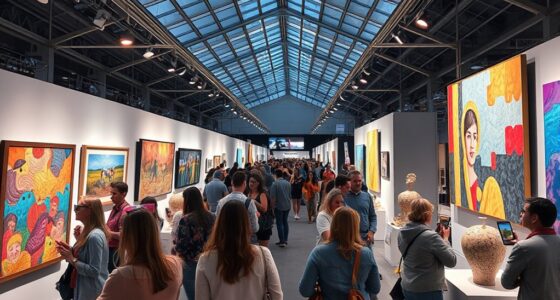

As you explore emerging art markets, you’ll notice rapid growth driven by expanding local galleries that showcase regional talent and attract visitors. International collectors play a key role by injecting capital, boosting visibility, and encouraging collaborations beyond local borders. This interconnected development improves infrastructure and elevates regional cultural identities, making these markets moredynamic and influential. Keep exploring, and you’ll uncover how these trends shape the future of global art.
Key Takeaways
- Local galleries serve as the foundation for regional art scenes, fostering community engagement and attracting visitors.
- International collectors inject capital, influence standards, and elevate visibility of emerging markets globally.
- Regional growth varies based on infrastructure, policies, and political stability, shaping unique art market trajectories.
- Collaboration between local galleries and international buyers enhances artist development and global exposure.
- Strategic investments and policy support accelerate the development of emerging art markets as cultural and economic hubs.
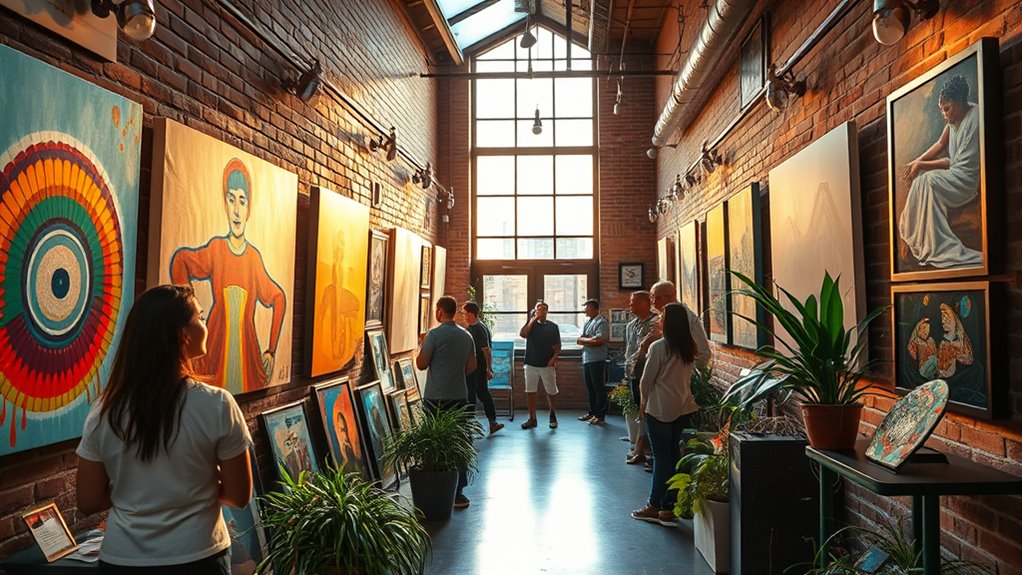
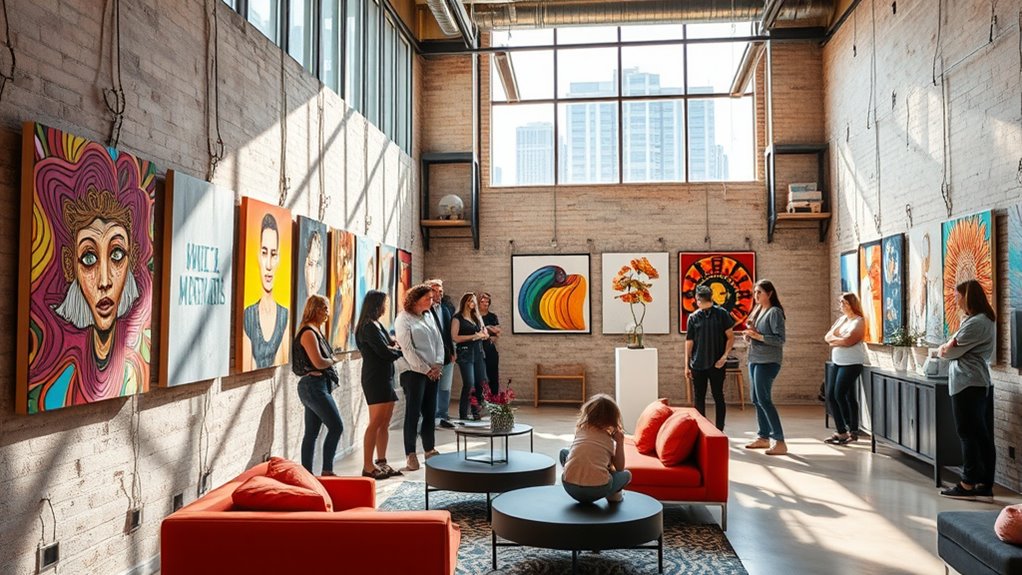
Have you ever wondered how regional differences shape the way communities grow and change? When it comes to emerging art markets, these differences play a vital role in molding local identities and driving growth. You’ll notice that in many regions, local gallery developments serve as the backbone of the art scene. These galleries don’t just showcase local talent; they also help cultivate a sense of community, attract visitors, and establish regional credibility. As local galleries expand and improve their offerings, they create a ripple effect that encourages artists to develop their craft and audiences to engage more deeply with the art scene. This growth in gallery infrastructure often signals a region’s commitment to fostering cultural expression and economic development.
At the same time, international collector influence substantially impacts these emerging markets. When collectors from abroad take an interest, they bring more than just capital—they introduce new tastes, standards, and networks that elevate the regional art scene. Their influence can lead to increased visibility for local artists and galleries on global platforms, encouraging collaborations and exhibitions that might not have been possible otherwise. You might see this influence in the way local galleries curate exhibitions or in the types of works they acquire. International collectors often seek authentic regional voices, which encourages local artists to push boundaries and explore innovative ideas, knowing there’s a global audience enthusiastic to engage with their work.
This dynamic creates a unique environment where local gallery developments and international collector influence intertwine. Galleries adapt to meet the expectations of international buyers, often investing in higher-quality exhibitions and marketing strategies. Meanwhile, local artists benefit from this exposure, gaining opportunities to showcase their work internationally. The influx of global interest can also motivate local institutions to improve their infrastructure, leading to dedicated art festivals, biennials, or cultural districts that attract even more visitors and investors. Additionally, understanding the regional art scene and its evolving trends is crucial for anyone interested in the future of global art markets.
However, it’s essential to recognize that this growth isn’t uniform across regions. Some emerging markets may see rapid development due to favorable policies or strategic investments, while others might struggle with limited infrastructure or political instability. But overall, the influence of local gallery developments combined with international collector interest creates a fertile environment for growth. It helps shape regional identities, boosts local economies, and positions these markets as vibrant hubs of creativity and cultural exchange. If you’re looking to understand the future of art, paying attention to how these factors evolve in emerging markets will give you valuable insights into the global art landscape.
Frequently Asked Questions
Which Emerging Art Markets Have Seen the Fastest Growth Recently?
You’ll notice that Southeast Asia and Latin America have seen the fastest growth lately. They thrive through art fair collaborations and embrace digital art integration, attracting global collectors. These regions leverage innovative exhibitions and online platforms to boost visibility. By focusing on local talent and fostering international partnerships, they’re rapidly evolving into vibrant art hubs, making them prime areas for investment and discovery in the emerging art scene.
How Do Regional Economic Factors Influence Art Market Development?
Imagine a city investing heavily in cultural projects and infrastructure, like Mexico City’s recent art district expansion. These economic factors boost art market development by attracting galleries, collectors, and artists. When local governments prioritize cultural investment and infrastructure development, they create a supportive environment for emerging markets to thrive. You’ll see increased gallery openings, art fairs, and higher collector engagement, fueling sustainable growth in the regional art scene.
What Role Do Local Artists Play in Regional Market Expansion?
Local artists play a crucial role in regional market expansion by forming strong local artist networks that foster collaboration and visibility. Their active community engagement helps attract audiences, collectors, and investors, creating buzz around the area’s creative scene. When you support and promote local artists, you contribute to building a vibrant, sustainable art market that draws attention from broader regions and helps drive economic growth.
Are There Specific Genres Dominating These Emerging Markets?
You’ll notice that genre trends in emerging markets often reflect local culture and collector preferences. For example, contemporary and street art tend to dominate, resonating with younger audiences and urban collectors. You might also see traditional art forms gaining popularity as markets mature. Staying attuned to these genre trends helps you understand what collectors seek, enabling you to better navigate and succeed in these growing regions.
How Do International Collectors Impact Regional Art Scenes?
Imagine vibrant markets where international collectors arrive like waves, reshaping the shoreline. Their influence sparks cultural exchange, infusing local scenes with fresh ideas and global perspectives. You see this impact in rising gallery visibility and diverse art styles, as collectors bring new taste and investment. Their presence energizes regional artists, encouraging innovation and dialogue, ultimately transforming local art scenes into dynamic hubs that reflect both tradition and contemporary global trends.
Conclusion
So, you better keep your eyes peeled—these emerging art markets are exploding faster than you could ever imagine, transforming the global art scene in ways that will blow your mind. If you blink, you might miss the next big masterpiece or the artist who’s about to change everything. Stay tuned, stay curious, and get ready to witness history in the making—because these trends aren’t just growing; they’re rewriting the future of art itself.