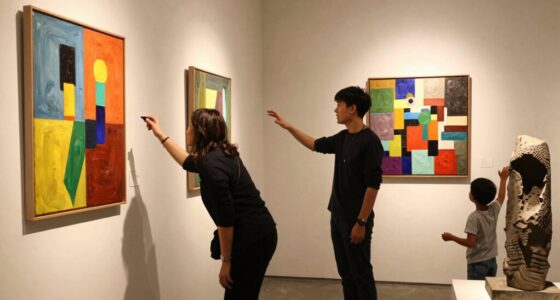
To future-proof your art practice, embrace digital innovations like virtual and augmented reality, and explore blockchain platforms to expand your reach. Adopt sustainable practices, using eco-friendly materials, and stay aligned with ecological concerns. Engage with your audience via social media and diversify income streams through online sales and workshops. Stay connected with cultural and societal trends, and keep learning about new tools and industry shifts. Continuing to explore these strategies will help you stay resilient and competitive.

Get the latest gadgets delivered free with Prime
- Fast, free delivery on millions of items
- Prime Video, Amazon Music and more included
- Member-only deals all year
Key Takeaways
- Embrace digital innovation to expand reach and stay current with technological trends.
- Incorporate sustainable practices and eco-friendly materials to enhance relevance and address ecological concerns.
- Diversify income streams through online sales, workshops, and multimedia collaborations.
- Stay connected with cultural and societal shifts, integrating relevant themes into your work.
- Continuously learn new skills and network to adapt to industry changes and seize emerging opportunities.
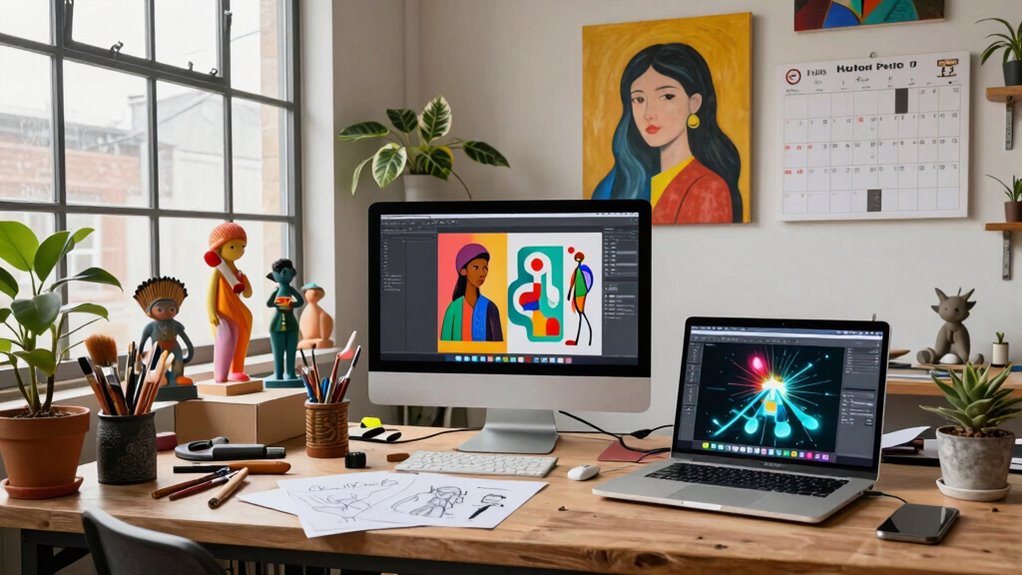
In a rapidly evolving art world, staying relevant means more than just honing your craft; it requires actively adapting to new technologies, trends, and audiences. Digital innovation is reshaping how art is created, shared, and experienced. To future-proof your practice, you need to embrace these technological shifts rather than resist them. This could mean exploring new digital tools, such as virtual reality, augmented reality, or blockchain-based platforms, to expand your artistic reach and engagement. Digital innovation allows you to connect with a global audience instantly, breaking down geographical barriers that once limited your exposure. By integrating these technologies into your practice, you not only stay current but also position yourself as a forward-thinking artist in a competitive market. Incorporating sustainable practices and environmentally conscious materials can also enhance your relevance in a world increasingly focused on biodiversity and conservation efforts. Staying informed about digital tools and their applications can help you identify the most effective ways to incorporate them into your art practice. Moreover, understanding the art market and its shifts can help you anticipate future opportunities and challenges. Market adaptation is equally vital. The art world’s landscape is dynamic, with trends shifting rapidly and collector preferences evolving. To stay relevant, you must be proactive in understanding these changes and adjusting your approach accordingly. This might involve diversifying your income streams, such as selling digital art, offering online workshops, or collaborating on multimedia projects. Market adaptation also means staying present on social media platforms, where audiences increasingly discover and engage with art. Regularly analyzing what resonates with viewers helps you tailor your work to meet current demands, making your art more appealing and marketable. Developing a digital presence can significantly boost your visibility and credibility in today’s interconnected art scene.
You should also consider how your art fits into broader cultural conversations and societal shifts. As audiences become more socially conscious, incorporating relevant themes can help your work remain impactful and meaningful. Staying adaptable might mean experimenting with new mediums or styles that reflect current issues, ensuring your practice stays fresh and relevant. Networking with fellow artists and industry professionals can also keep you informed about emerging trends and opportunities, giving you an edge in a competitive marketplace.
Ultimately, future-proofing your practice involves a mindset of continuous learning and flexibility. Digital innovation offers exciting ways to showcase and distribute your work, while market adaptation ensures your art remains aligned with audience preferences. By actively engaging with these strategies, you transform challenges into opportunities, securing your place in a shifting art landscape. Staying ahead isn’t just about keeping up—it’s about leading the way through innovation and adaptation, so your artistic career continues to thrive in an ever-changing market.
Frequently Asked Questions
How Do Artists Identify Emerging Trends Early Enough to Adapt?
You stay ahead by actively monitoring emerging trends through industry news, social media, and art communities. Keep market awareness high by attending exhibitions, workshops, and networking events to spot shifts early. Engage with other artists and collectors to gain insights into evolving tastes. By being proactive and curious, you can adapt your practice swiftly, ensuring your work remains relevant and competitive in a rapidly changing market landscape.
What Skills Should Artists Develop for Digital and Virtual Platforms?
You should cultivate skills in digital branding and embrace virtual collaborations, which act like bridges connecting your art to wider audiences. Mastering social media, online exhibitions, and virtual studios helps you adapt to digital landscapes. Developing tech literacy, understanding platform algorithms, and engaging with virtual communities turn you into a digital lighthouse, guiding your work through the shifting seas of the art world. These skills keep your practice resilient and visible in the digital sphere.
How Can Artists Protect Their Work in a Digital Marketplace?
To protect your work in a digital marketplace, you should prioritize copyright protection by registering your pieces and clearly marking your digital content. Strengthen your digital branding to establish a recognizable online presence and deter unauthorized use. Regularly monitor your work online, utilize watermarks, and consider licensing agreements. These steps help safeguard your creations, maintain your rights, and guarantee your art remains protected as you navigate the evolving digital landscape.
What Financial Strategies Help Artists Sustain Long-Term Careers?
Your financial strategy should be as flexible as a contortionist. Focus on market diversification to avoid relying solely on one income source, and nurture creative collaborations that open new revenue streams and audiences. Building multiple income channels cushions you against market fluctuations. By balancing steady sales, commissions, and grants, you guarantee long-term sustainability, making your artistic career resilient and thriving even in the most unpredictable markets.
How Do Artists Build a Resilient Network in a Competitive Industry?
You build a resilient network by actively forming collaborative partnerships that expand your reach and foster shared growth. Engage your audience consistently through social media, exhibitions, and community events to strengthen relationships and increase visibility. Attend industry events, participate in artist residencies, and seek mentorships to connect with peers and mentors. This proactive approach creates a supportive, adaptable network that helps you navigate industry shifts and sustain your artistic career long-term.
Conclusion
As you navigate the shifting tides of the art world, envision your practice as a sturdy vessel, resilient against storms of change. Embrace continuous learning, diversify your skills, and stay connected to new technologies—these are your compass and anchor. With each wave of innovation, your creative spirit remains afloat, steering confidently toward uncharted horizons. Keep your vision clear and your adaptability sharp, ensuring your artistry endures amidst the ever-changing currents of the market.
Fall Picks
fall essentials
As an affiliate, we earn on qualifying purchases.