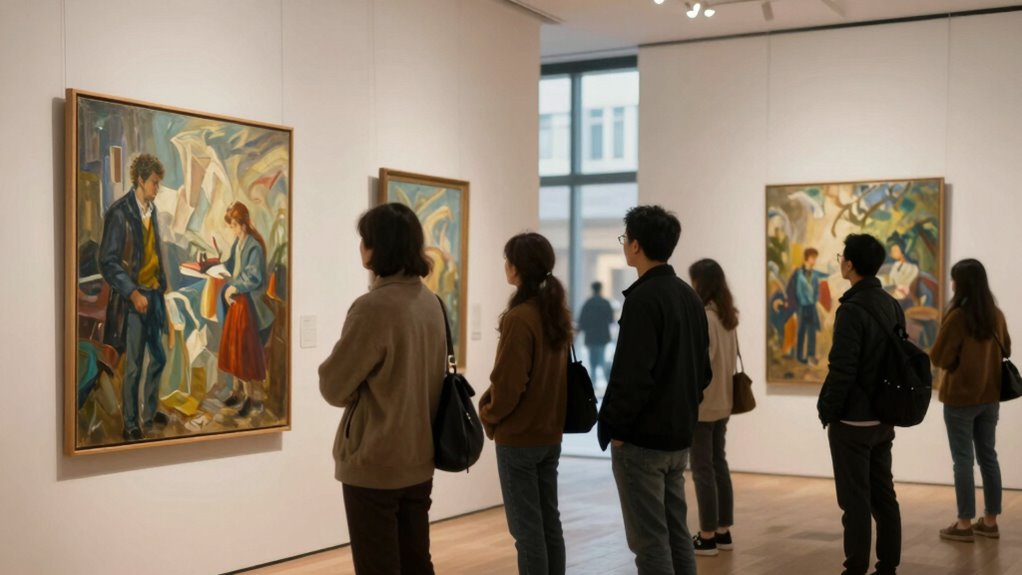

In today’s fast-paced world, you crave slower art experiences because they offer a chance to pause and reflect amid constant chaos. Slow art demands your attention, helping you connect emotionally and notice details often missed in hurried viewing. It supports mindfulness, reducing stress and fostering awareness of your feelings. By embracing deliberate engagement, you find genuine connection and clarity. Keep exploring, and you’ll discover how this shift can transform your experience of art and life.

Get the latest gadgets delivered free with Prime
- Fast, free delivery on millions of items
- Prime Video, Amazon Music and more included
- Member-only deals all year
Key Takeaways
- In a chaotic, fast-paced world, viewers seek art that encourages reflection and emotional connection rather than instant gratification.
- Slow art invites deeper engagement, revealing subtle details and fostering mindfulness amidst information overload.
- Deliberate art experiences help counteract brain conditioning for rapid stimulation, promoting presence and emotional awareness.
- Viewing slow art cultivates patience, appreciation, and a sense of discovery, providing mental and emotional nourishment.
- In a culture driven by superficial consumption, slow art offers authentic connection and meaningful, restorative experiences.
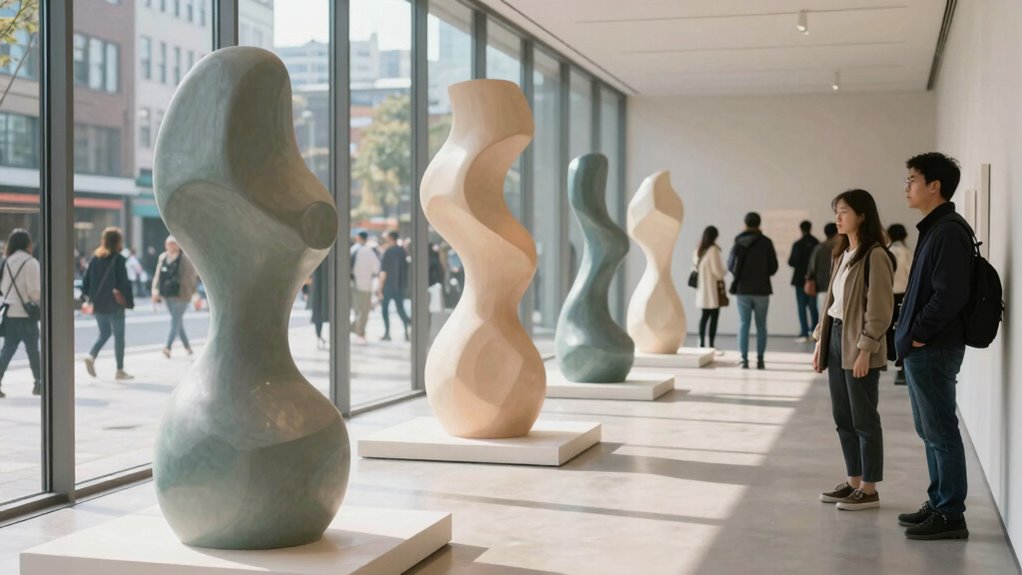
In a world that moves at lightning speed, viewers are increasingly seeking out slower, more deliberate art forms. You might notice yourself drawn to pieces that invite reflection rather than instant gratification. This desire isn’t a coincidence. As life becomes more chaotic and information overload is the norm, people crave spaces for digital mindfulness—moments when you can disconnect from the constant buzz and truly engage with art on a deeper level. Slow art demands your attention, encouraging you to pause, breathe, and fully immerse yourself. It’s about more than just viewing; it’s about feeling and connecting on an emotional level. When you engage with slower art, you’re often prompted to reflect on your own experiences, fostering emotional engagement that quick, fleeting content rarely provides.
Slow art invites reflection and emotional connection amid a chaotic, fast-paced world.
In this fast-paced culture, your brain is conditioned to seek rapid stimulation, but that often leaves you feeling drained or disconnected. Slow art, by contrast, offers a remedy. It allows you to savor every detail, to notice subtle nuances that might otherwise go unnoticed in a hurried glance. This deliberate pace helps build a sense of mindfulness, where you become present with the artwork, noticing your thoughts and feelings as they arise. Your emotional engagement deepens because you’re not just skimming across surface-level impressions—you’re invited to explore layers of meaning, symbolism, and texture that reveal themselves over time. This shift toward intentional viewing supports digital mindfulness and helps you regain control over your sensory overload. Additionally, embracing deliberate engagement in art can foster a greater appreciation for the creative process itself. Recognizing the importance of this slow approach can also encourage a more mindful consumption of all forms of content, supporting mental well-being. Understanding the value of intentional viewing can help you develop a more meaningful relationship with art and information alike.
This mindful approach can be especially beneficial for your overall mental health, helping to reduce stress and anxiety linked to constant information bombardment.
Moreover, slow art creates a space where you can cultivate patience and appreciation for the process of discovery. Instead of rushing through a gallery or scrolling past an image, you’re encouraged to linger. This act of slowing down fosters a sense of intentionality, allowing your mind to relax and your emotional responses to flourish. As you do so, your connection to the art becomes more authentic and meaningful. You begin to see artwork as a conversation rather than a passive experience, where your feelings and thoughts are integral to the encounter. This emotional engagement can be restorative, helping you find clarity and calm in the midst of your busy life.
Ultimately, in a culture obsessed with speed, your desire for slower art reflects a longing for genuine connection—both with the artwork and within yourself. It’s an antidote to superficial consumption, offering a space for digital mindfulness and emotional depth. When you choose to engage with slower art, you’re prioritizing quality over quantity, seeking moments of stillness that nourish your mind and soul in a fast-moving world.
As an affiliate, we earn on qualifying purchases.
Frequently Asked Questions
How Does Slower Art Influence Emotional Well-Being?
Slower art enhances your emotional well-being by encouraging mindful appreciation and emotional reflection. When you take your time with art, you connect deeply, process feelings, and find calm amid chaos. This deliberate engagement helps reduce stress, increase self-awareness, and foster a sense of peace. By slowing down, you create space for meaningful emotional growth, making your overall mental health stronger and more resilient in today’s fast-paced world.
What Historical Periods Favored Slower Artistic Experiences?
You’ll find that historical periods like the Renaissance and Medieval times favored slower artistic experiences, emphasizing meditative contemplation and mindful engagement. Artists created intricate details inviting viewers to spend time exploring each piece deeply. During these eras, art was a vessel for reflection, encouraging patience and inner stillness. As a result, viewers connected more profoundly, finding peace in the deliberate, slower pace of art that invites thoughtful observation.
Can Slow Art Foster Deeper Cultural Understanding?
Yes, slow art can foster deeper cultural understanding by encouraging your artistic patience and allowing you to truly connect with diverse perspectives. As you take time to appreciate intricate details and narratives, you develop cultural empathy, seeing the world through others’ eyes. This deliberate engagement helps transcend superficial differences, enriching your appreciation of varied traditions and histories, ultimately building a more profound, empathetic connection to different cultures.
How Do Artists Intentionally Create Slower Viewing Experiences?
Ever wonder how artists create intentionally slower viewing experiences? They do this through intentional pacing, guiding your eye with detailed, layered compositions and subtle shifts. By emphasizing patience and depth, artists foster greater viewer engagement, encouraging you to pause, contemplate, and connect deeply with the work. Doesn’t this slow, deliberate approach invite you to savor each detail and truly immerse yourself?
What Are the Psychological Effects of Rapid Versus Slow Art?
Rapid art stimulates your visual perception quickly, often leading to fleeting cognitive engagement and a sense of overstimulation. Conversely, slow art encourages you to pause, analyze details, and deepen your connection, fostering sustained cognitive engagement. This deliberate pace allows your mind to process emotions and ideas more thoroughly, providing a calming effect and a richer, more meaningful experience, especially in a culture that rewards speed and instant gratification.
As an affiliate, we earn on qualifying purchases.
Conclusion
As you seek out these slower art experiences, you might wonder what’s truly missing in your fast-paced life. Could it be a glimpse of something deeper, a pause that awakens your senses? The answer lies just beneath the surface, waiting for you to notice. In a world that never stops rushing, embracing these moments of stillness might be your most powerful act yet. Will you dare to slow down and discover what’s been hiding in plain sight?
As an affiliate, we earn on qualifying purchases.
As an affiliate, we earn on qualifying purchases.
Fall Picks
fall essentials
As an affiliate, we earn on qualifying purchases.