
Art therapy harnesses creative expression to support your mental health by helping you process emotions, reduce stress, and build resilience. It offers a safe space to explore feelings beyond words, promoting self-awareness and emotional regulation. Engaging in art can also lower anxiety hormone levels and foster relaxation. If you’re interested, exploring different techniques and personal stories can show how art can become a powerful healing tool for your emotional well-being.
Key Takeaways
- Art therapy combines creative expression with psychological healing, helping individuals process emotions and gain insights beyond verbal communication.
- Engaging in art reduces stress hormones, promotes relaxation, and activates brain areas linked to emotional regulation.
- Creative activities in therapy foster self-awareness, resilience, and personal growth by externalizing feelings and exploring inner experiences.
- Art therapy offers a safe, stigma-free environment to manage trauma, grief, and mental health challenges through expressive arts.
- Scientific research supports art therapy’s effectiveness in improving mood, reducing symptoms of PTSD and OCD, and enhancing emotional well-being.
Understanding Art Therapy and Its Foundations
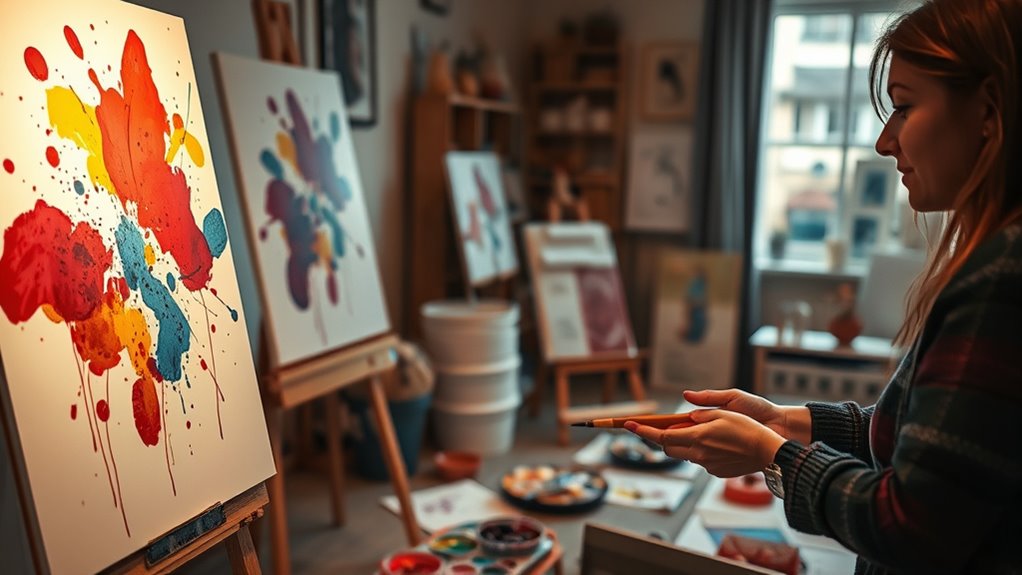
Art therapy combines creative expression with psychological healing, making it a powerful tool for addressing mental health issues. It’s grounded in the idea that art can unlock emotions and insights that words often can’t. You don’t need to be an artist to benefit—it’s about the process, not the product. Trained art therapists guide you through activities designed to explore feelings, reduce stress, and foster self-awareness. They use various techniques, such as drawing, painting, or sculpting, tailored to your needs. The therapy emphasizes a safe, supportive environment where you can express yourself freely. Its roots trace back to the early 20th century, blending psychological theories with artistic methods. Ultimately, art therapy helps you connect with your inner experiences, promoting healing through creative exploration.
The Psychological Benefits of Creative Expression

Creative expression can help you reduce stress and clear your mind during challenging times. It also provides a safe outlet for emotional release, helping you process feelings you might struggle to express with words. Additionally, engaging in art allows you to discover new aspects of yourself and gain greater self-awareness. Practicing art therapy can further enhance these benefits by promoting emotional regulation and resilience.
Stress Reduction Techniques
Have you ever noticed how expressing yourself through drawing or painting can instantly lighten your mood? Creative activities serve as effective stress reduction techniques by helping you shift focus away from worries and into the present moment. When you engage in art, your brain releases feel-good chemicals like dopamine, which improve your mood and decrease anxiety. The tactile process of handling brushes, pencils, or clay can be meditative, promoting relaxation and reducing cortisol levels—the hormone linked to stress. Setting aside even a few minutes for creative expression can create a calming routine in your day, making stress feel more manageable. Additionally, incorporating home decoration inspiration can enhance your environment, making your creative space more inviting and soothing. By immersing yourself in art, you give yourself a mental break, fostering tranquility and emotional resilience.
Emotional Release Benefits
Engaging in artistic expression allows you to process and release deep-seated emotions that might otherwise remain bottled up. When you create, you give yourself a safe outlet to confront feelings like anger, sadness, or anxiety without judgment. This act of externalizing emotions can reduce internal tension and promote a sense of relief. Art provides a nonverbal way to communicate complex feelings that words often can’t capture, helping you gain clarity and perspective. As you express yourself visually or through other mediums, you may experience a cathartic release that alleviates emotional burdens. Over time, this process strengthens your ability to manage intense feelings, fostering emotional resilience. Creative expression becomes an essential tool in releasing pent-up emotions, contributing considerably to your mental well-being. Additionally, engaging in art therapy techniques grounded in personal development principles can enhance emotional awareness and healing.
Self-Discovery Opportunities
Expressing yourself through art not only helps release intense emotions but also opens the door to discovering more about who you are. Creative activities encourage introspection, helping you explore your thoughts, beliefs, and values. This process can reveal hidden feelings or ideas you hadn’t recognized before. As you create, you gain insights into your identity, preferences, and inner conflicts, fostering personal growth. The table below highlights common self-discovery benefits:
| Benefit | Explanation |
|---|---|
| Increased Self-Awareness | Recognize patterns and emotional triggers |
| Emotional Clarity | Understand complex feelings more clearly |
| Personal Growth | Identify values and aspirations |
| Enhanced Reflection | Develop a deeper understanding of your experiences |
Creative expression acts as a mirror, guiding you toward greater self-knowledge. Engaging in art therapy can further deepen these insights by combining creative processes with psychological principles.
How Art Therapy Helps Manage Anxiety and Stress
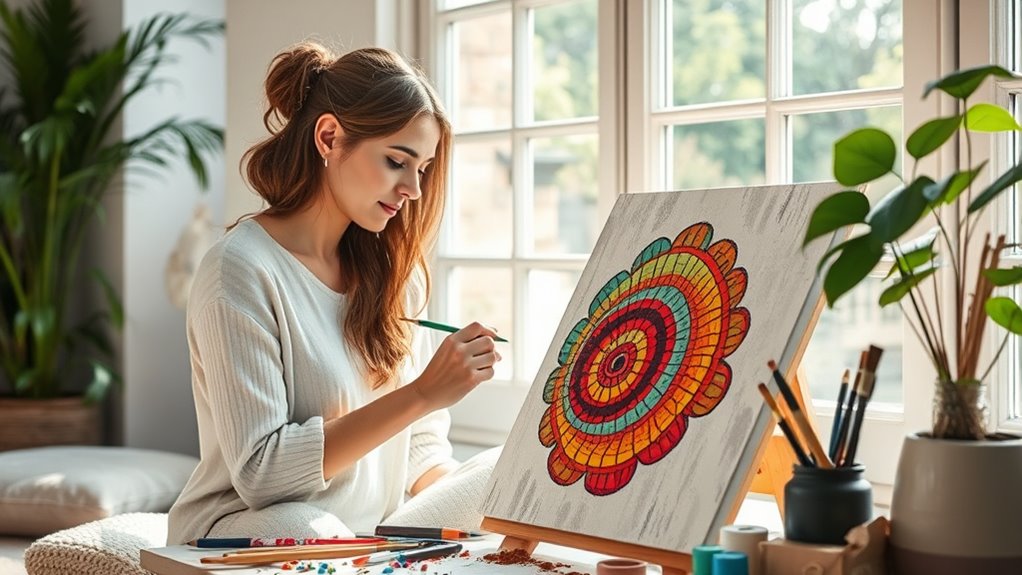
Art therapy can help you reduce anxiety symptoms by providing a safe space to express your feelings. As you create, you might find emotional release that eases your stress. This process allows you to manage your anxiety more effectively and find calm amid chaos. Additionally, engaging in art therapy can promote emotional support during difficult times, helping individuals develop resilience and coping skills.
Reduces Anxiety Symptoms
Have you ever noticed how creating something with your hands can ease your mind? Art therapy provides a safe space to channel anxious energy into a visual or tactile form, helping to reduce symptoms of anxiety. When you focus on drawing, painting, or sculpting, your mind shifts away from overwhelming worries, promoting mindfulness and calmness. The act of making art stimulates your brain’s relaxation response, lowering cortisol levels and easing tension. Additionally, completing a piece offers a sense of accomplishment, which boosts confidence and diminishes feelings of helplessness. Regular engagement in art therapy helps you develop healthier coping mechanisms, making anxiety more manageable over time. By expressing your inner experiences creatively, you can find relief from persistent anxious thoughts and regain a sense of control. Furthermore, understanding the psychological benefits of creative expression emphasizes its role in promoting mental wellness beyond just anxiety relief.
Promotes Emotional Release
When you engage in art therapy, it becomes easier to release bottled-up emotions and manage stress. Creating art provides a safe outlet for feelings you might find hard to express verbally. Instead of suppressing emotions, you can channel them into colors, shapes, or textures. This process helps you confront and process difficult feelings, leading to emotional relief. The act of making art encourages you to explore your inner world without judgment, fostering acceptance and understanding. Here’s how different art forms support emotional release:
| Art Activity | Emotional Benefit |
|---|---|
| Painting or Drawing | Expresses complex feelings |
| Sculpting | Releases pent-up tension |
| Collage | Externalizes inner thoughts |
This approach helps you feel lighter and more in control of your emotional well-being. Additionally, engaging in art therapy can reinforce your emotional resilience, empowering you to handle future stressors more effectively.
The Role of Art in Processing Trauma and Grief

Processing trauma and grief can be overwhelming, but engaging in art provides a powerful outlet for expressing complex emotions that words often can’t capture. Creating visual representations allows you to externalize feelings, making them easier to understand and process. Art offers a safe space to explore painful memories without the need for verbal explanation, helping you confront emotions at your own pace. Through colors, shapes, and symbols, you can communicate aspects of your experience that might be difficult to articulate. This process fosters emotional release and facilitates integration of traumatic memories. Regularly incorporating visual representations into your healing can help deepen your understanding of your emotions. Over time, your artwork can become a reflection of your healing journey, empowering you to regain a sense of control and hope amid difficult feelings.
Techniques and Modalities Used in Art Therapy

Art therapy employs a variety of techniques and modalities to help you explore and express your emotions. You might engage in different approaches depending on your needs. For instance:
- Drawing and Painting – Using visual art to uncover feelings and memories.
- Collage Making – Combining images and materials to symbolize inner experiences.
- Sculpting and Clay Work – Creating three-dimensional forms to access emotions physically.
- Mindfulness-Based Art – Focusing on the process of creation to promote relaxation and self-awareness.
Engaging in emotional expression through art can also facilitate communication of feelings that may be difficult to articulate verbally. These techniques allow you to communicate nonverbally and process complex emotions. Your therapist might tailor these methods for your specific goals, encouraging self-discovery and emotional release. By combining different modalities, art therapy offers a versatile approach to healing.
Scientific Evidence Supporting Art-Based Healing
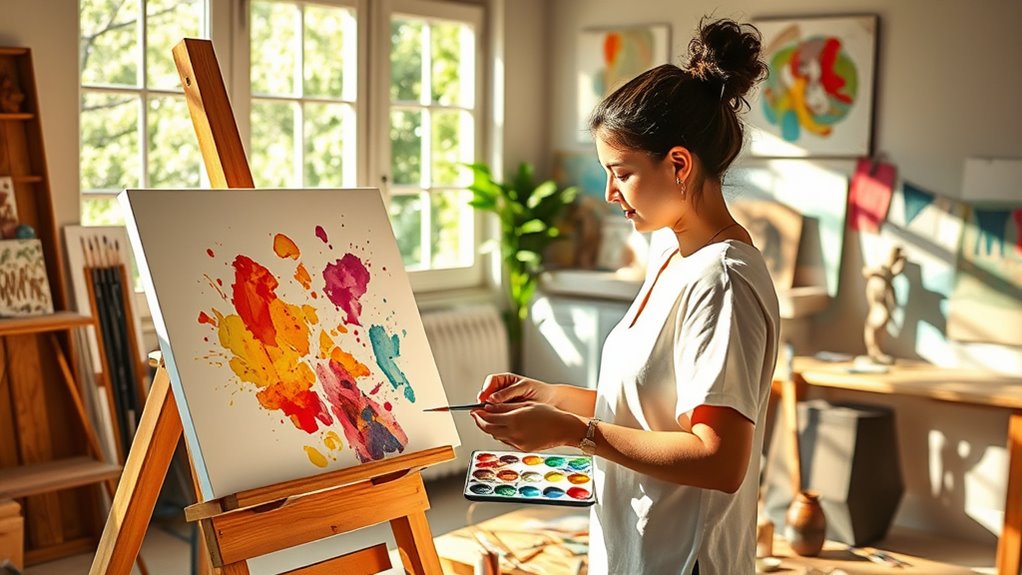
Numerous studies have demonstrated that engaging in art therapy can lead to measurable improvements in mental health. Research shows that creating art reduces stress hormones and enhances mood, providing a natural way to alleviate anxiety and depression. Brain imaging studies reveal that art-making activates areas linked to emotional regulation and self-awareness, supporting mental well-being. Additionally, clinical trials indicate that participants in art therapy programs experience significant reductions in symptoms of PTSD, OCD, and other mental health conditions. The evidence underscores that art-based interventions can foster neuroplasticity, helping your brain develop healthier responses to emotional challenges. Overall, scientific research affirms that engaging in creative expression is not just therapeutic in theory but has concrete, positive effects on mental health.
Personal Stories of Transformation Through Art

Many people find healing by turning their experiences into art, overcoming trauma in ways they never expected. Creativity becomes their voice, helping them express feelings words can’t capture. These stories show how art can transform pain into strength and clarity. Engaging in creative expression can also promote emotional resilience and mental well-being.
Overcoming Trauma Through Art
For those who have experienced trauma, expressing feelings through creative outlets can be a powerful step toward healing. Art allows you to process difficult emotions and restore a sense of control. Many find that engaging in art therapy helps them confront their pain safely. Here are ways art aids in overcoming trauma:
- Externalizing emotions – Turning feelings into visual forms makes them easier to understand.
- Creating distance – Art provides a safe space to explore traumatic memories without feeling overwhelmed.
- Building resilience – Completing art projects fosters a sense of achievement and empowerment.
- Reclaiming identity – Personal expression helps you rediscover who you are beyond the trauma.
Through consistent practice, art becomes a tool to transform pain into healing.
Finding Voice in Creativity
When you pick up a brush or pen, you often find a voice that words can’t fully express. Through creative expression, you share feelings that feel impossible to put into sentences. Your art becomes a safe space, helping you process emotions and uncover hidden truths. Over time, you notice your stories emerging visually, revealing insights about yourself you hadn’t recognized before. This newfound voice empowers you to communicate beyond language, fostering confidence and self-awareness. Personal stories of transformation show how art helps people break free from silence and shame. With each stroke or color, you reclaim your narrative, transforming pain into healing. Creativity becomes your tool for understanding, growth, and ultimately, finding your authentic voice in the world.
Integrating Art Therapy Into Conventional Mental Health Treatment

Integrating art therapy into conventional mental health treatment offers a dynamic approach that complements traditional methods like talk therapy and medication. It encourages expression beyond words, helping you process emotions more holistically. Here’s how it can enhance your treatment:
Art therapy enriches mental health care by fostering holistic emotional expression and personalized healing.
- Provides alternative outlets for feelings that may be difficult to verbalize.
- Facilitates deeper insights through creative exploration and reflection.
- Reduces stigma by blending familiar therapeutic techniques with artistic activities.
- Supports personalized care by tailoring art-based interventions to your unique needs.
Getting Started With Art Therapy for Self-Help
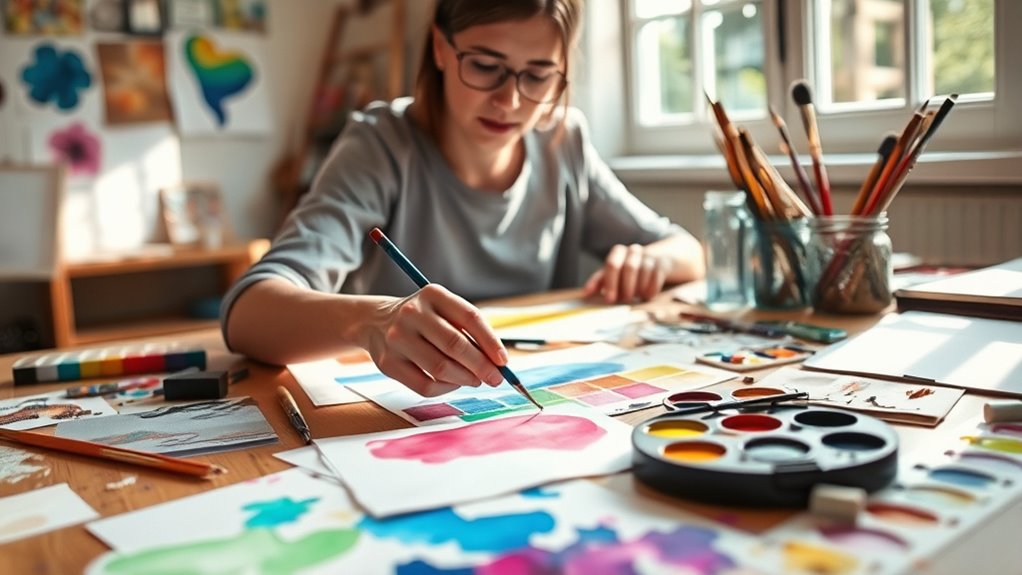
Starting art therapy for self-help is a simple and accessible way to explore your emotions and boost your mental well-being. Begin by setting aside dedicated time and choosing a comfortable space where you feel safe. Gather basic supplies like paper, pencils, markers, or paints—nothing fancy is required. Focus on expressing whatever you’re feeling without judgment or concern about artistic skill. The goal is to connect with your inner emotions, not create perfect artwork. Keep a journal to reflect on your creations and any insights they reveal. Practice regularly, even if it’s just for a few minutes each day. Over time, this consistent practice helps you understand your feelings better and develop healthier coping strategies through creative expression.
Future Trends and Innovations in Art and Mental Wellness

Advancements in technology are transforming how art therapy is delivered and experienced, opening new horizons for mental wellness. You can expect innovative tools to enhance your healing journey. For example:
Technology is revolutionizing art therapy, making healing more engaging and accessible through innovative tools and virtual connections.
- Virtual reality environments will immerse you in calming, interactive art spaces.
- AI-powered platforms will offer personalized feedback to improve your creative process.
- Mobile apps will make art therapy accessible anytime, anywhere, with guided exercises.
- Online communities will connect you with others sharing similar mental health goals. These innovations aim to make art therapy more engaging, flexible, and tailored to your needs. As technology evolves, you’ll have more opportunities to explore creative expression as a powerful tool for mental wellness, fostering healing from the comfort of your space.
Frequently Asked Questions
Can Anyone Benefit From Art Therapy Regardless of Artistic Skill?
Yes, anyone can benefit from art therapy regardless of artistic skill. You don’t need to be an expert in drawing or painting; the focus is on expression, not technical ability. Art therapy helps you explore emotions, reduce stress, and gain insights. You simply need to be open to creating and sharing your feelings through art, allowing the process to support your mental health and personal growth.
How Long Does It Typically Take to See Mental Health Improvements?
You might see mental health improvements in just a few sessions, but it varies based on your goals and engagement level. Consistency helps, so attending regularly accelerates progress. Don’t worry if results aren’t immediate—therapy is a journey. With patience and dedication, you’ll notice positive changes, like reduced stress or better mood, as you continue to express yourself creatively. Keep committed, and the benefits will become clearer over time.
Are There Specific Art Forms More Effective for Certain Conditions?
Certain art forms can be more effective for specific conditions. For example, drawing and painting often help reduce anxiety and improve mood, while clay or sculpture therapy can assist with trauma processing and emotional regulation. You might find journaling or expressive writing helpful for depression. Experiment with different mediums to discover what resonates best with you, as personalized approaches tend to yield the most meaningful healing and self-awareness.
What Should I Expect During My First Art Therapy Session?
Your first art therapy session is like opening a door to self-discovery. You’ll likely chat with your therapist about your feelings and goals, then immerse yourself in creative activities like drawing or painting. Don’t worry about your skill level—this isn’t about art critique. Expect a safe space to explore emotions, express yourself, and gain insights through your creations. Stay open, honest, and curious—you’re taking a brave step forward.
How Is Confidentiality Maintained in Group Art Therapy Settings?
In group art therapy, confidentiality is prioritized through clear agreements established at the start. You’re encouraged to respect others’ privacy by not sharing their personal stories outside the group. Therapists often have participants sign confidentiality agreements and reinforce these boundaries throughout sessions. This creates a safe space where you feel comfortable expressing yourself, knowing that what you share stays within the group, fostering trust and openness.
Conclusion
As you explore the gentle waters of art therapy, you discover how creative expression softly guides you through healing currents. Embracing these artistic journeys, you may find solace in colors and shapes, nurturing your inner world with compassion. With each stroke and idea, you gently steer toward understanding and balance, allowing the subtle magic of art to whisper your resilience and hope. Remember, healing is a quiet dance—step by step, brushstroke by brushstroke.