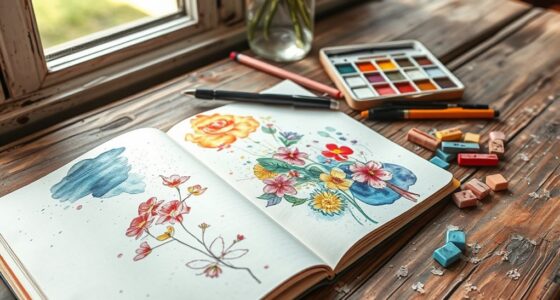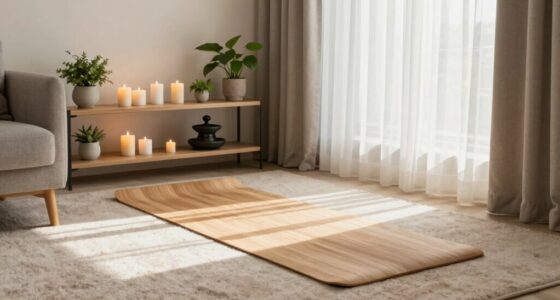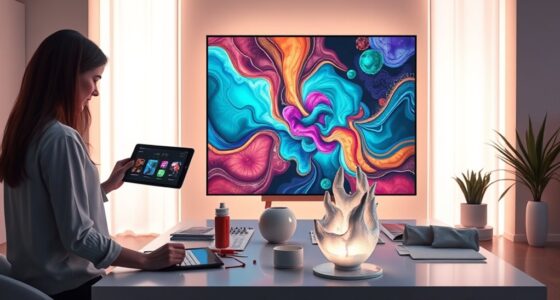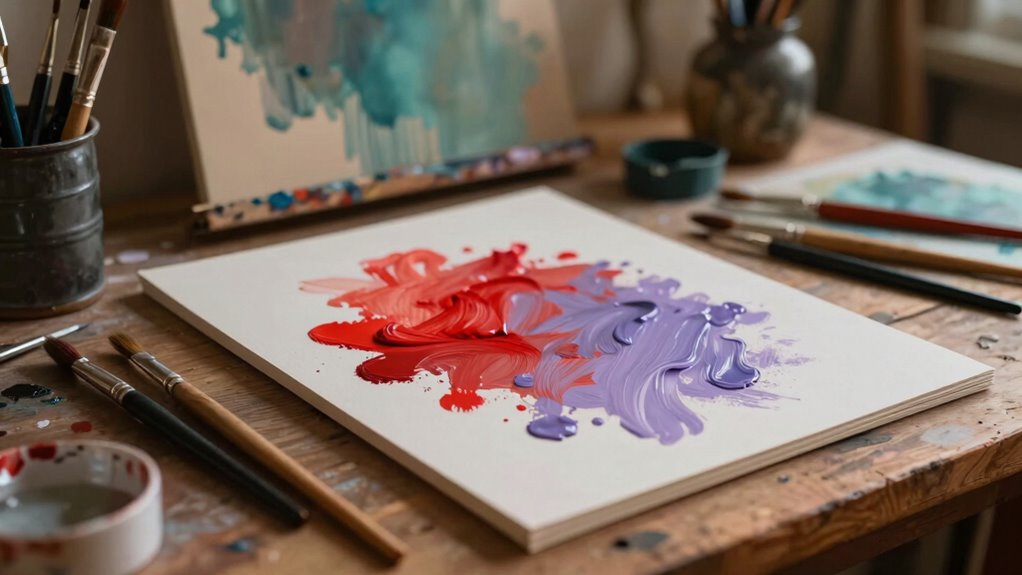

Your color choices directly impact your mood and influence the atmosphere of your creative work. Bright, vibrant hues can boost your energy and spark inspiration, while subdued tones help you focus and reflect. Warm colors express passion and urgency, whereas cool tones promote calmness and balance. By intentionally selecting colors that match your emotional goals, you can shape your creative experience and deepen your connection to your art. Keep exploring to learn how mastering color psychology elevates your practice.

Get the latest gadgets delivered free — and shop member deals
- Fast, free delivery on millions of items
- Access to Prime Big Deal Days deals on October 6–7
- Prime Video, Amazon Music and more included
Key Takeaways
- Warm colors like reds and oranges energize and evoke passion, boosting motivation and excitement in creative work.
- Cool colors such as blues and greens promote calmness and focus, fostering reflective and relaxed moods.
- Bright, vibrant hues can uplift spirits and inspire creativity, enhancing emotional positivity during the creative process.
- Subdued tones support concentration and introspection, helping to cultivate a contemplative and steady mindset.
- Conscious color choices influence emotional engagement, deepening personal connection and authenticity in artistic expression.
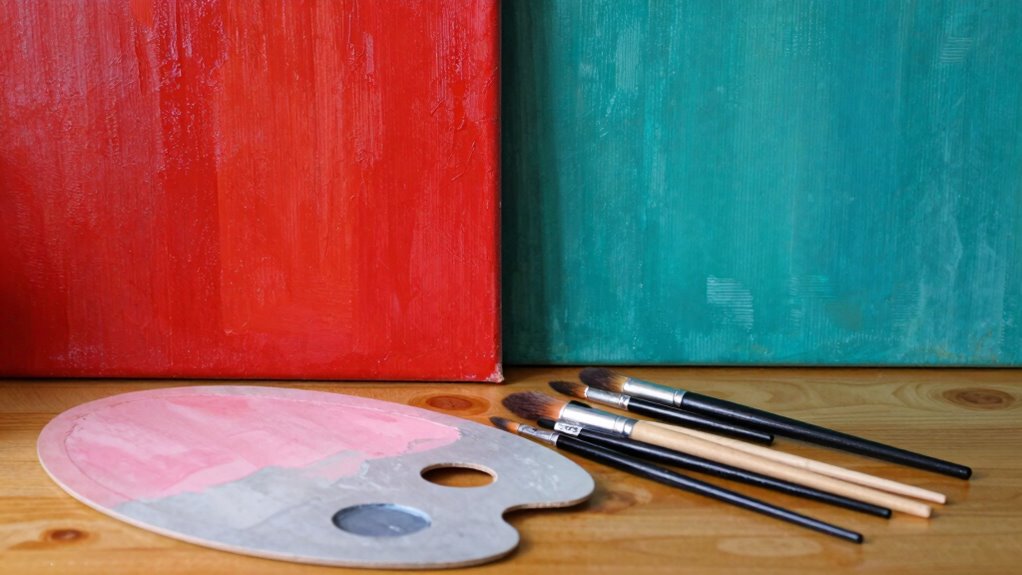
Color isn’t just a visual element; it’s a powerful tool that shapes mood and influences perception in creative work. When you select specific colors, you’re not just choosing a hue—you’re engaging in a form of communication that taps into color psychology and emotional expression. Different colors evoke distinct feelings, and understanding these associations helps you craft work that resonates on a deeper level. For instance, warm colors like reds and oranges tend to energize and stimulate, often conveying passion, excitement, or urgency. Cool colors such as blues and greens evoke calmness, serenity, and balance. Recognizing the significance of biodiversity and its impact on ecosystems can inspire more mindful color selections that reflect natural harmony in your work. By intentionally integrating these colors into your creative practice, you can steer the emotional response of your audience, making your work more compelling and meaningful.
Your color choices influence your own mood and mindset as well. When you’re feeling anxious or uninspired, incorporating brighter, more vibrant hues can uplift your spirits and foster creativity. Conversely, using subdued tones might help you focus or reflect, creating a contemplative atmosphere. Recognizing how color affects your emotional state allows you to manipulate your environment or palette to boost productivity or relaxation, depending on your needs. This conscious use of color psychology becomes an essential part of your creative process, enabling you to align your emotional expression with your artistic intentions. Understanding color relationships and how they interact helps you develop more effective and emotionally resonant compositions.
Furthermore, the way you combine colors impacts the overall mood your work communicates. Complementary and harmonious color schemes can create a sense of unity, stability, or tension, depending on your purpose. An intentionally discordant palette, for example, can evoke feelings of chaos or discomfort, which might be exactly what you want to express in certain projects. Your understanding of color relationships and their psychological effects empowers you to craft compositions that evoke specific emotional responses, guiding viewers through a curated emotional journey. Additionally, awareness of color psychology enhances your ability to intentionally evoke particular feelings in your audience, elevating the emotional depth of your work.
Ultimately, your ability to harness the power of color in your creative practice hinges on awareness and intention. When you consider how color psychology influences emotional expression, you gain a tool to communicate more effectively and authentically. By thoughtfully selecting and combining colors, you shape not only the visual appeal of your work but also the emotional landscape it creates. This delicate balance between color choice and mood underscores the importance of deliberate, informed decision-making in your creative process, enriching your art with depth and resonance.
As an affiliate, we earn on qualifying purchases.
Frequently Asked Questions
How Do Cultural Differences Influence Color Perception and Mood?
You should recognize that cultural differences greatly influence how you perceive colors and their associated moods. Cultural symbolism shapes your understanding of color language, where certain hues evoke specific emotions or meanings. For example, red might symbolize luck in some cultures but danger in others. By being aware of these cultural nuances, you can intentionally select colors that resonate with your audience or personal expression, enhancing your creative practice.
Can Color Therapy Improve Emotional Well-Being Through Creative Practice?
You’re spot on—color therapy can boost emotional well-being through your creative practice. By harnessing color symbolism and focusing on emotional resonance, you can create art that heals and inspires. When you intentionally choose colors that reflect your feelings or desired moods, you tap into their subconscious power. This approach helps you process emotions, build resilience, and foster a positive mindset, proving that a little color can go a long way in nurturing your mental health.
How Do Lighting Conditions Alter the Impact of Colors on Mood?
Lighting conditions, like lighting contrast and ambient hue, markedly influence how colors impact your mood. Bright, natural light enhances vibrant colors, boosting energy and positivity. Dim, warm lighting can soften colors, promoting calmness and relaxation. Conversely, harsh or cool lighting may diminish warm tones’ soothing effects or make cool colors feel more stark. By adjusting your lighting environment, you can amplify or soften the emotional response you seek from your color choices.
Are There Specific Color Combinations That Universally Evoke Certain Emotions?
Yes, certain color combinations evoke specific emotions universally. For example, red and yellow often symbolize energy and happiness, while blue and white can evoke calmness and purity. By understanding color symbolism and emotional associations, you can intentionally select combinations that reinforce the mood you want to create. These combinations tap into shared cultural meanings, making your creative practice more impactful and emotionally resonant for your audience.
How Do Personal Memories Linked to Colors Affect Creative Mood Choices?
Your personal memories linked to colors shape your creative mood choices more than you realize, acting as powerful emotional triggers. When you see a certain hue, it can flood your mind with vivid memory associations—like sunshine sparking joy or stormy skies igniting tension. These emotional triggers influence your color selection, making your art a reflection of your inner world, driven by memories that amplify your mood and creative expression.
As an affiliate, we earn on qualifying purchases.
Conclusion
So, next time you’re choosing colors for your masterpiece, remember: your mood isn’t just a side effect—it’s the main event. Pick that fiery red if you want to stir up chaos or go for a calming blue if you crave serenity. After all, your art’s just a mirror—and a mood ring—of your inner feelings. Who knew that a splash of yellow could turn your creative practice into a sunshine-filled circus?
As an affiliate, we earn on qualifying purchases.
As an affiliate, we earn on qualifying purchases.
Halloween Picks
halloween
As an affiliate, we earn on qualifying purchases.