Contemporary art leaves space for ambiguity to invite your diverse perspectives and active participation. It moves away from clear, fixed messages, encouraging you to interpret works based on your personal experiences, beliefs, and emotions. This openness fosters multiple meanings and keeps the dialogue dynamic. By challenging surface-level perceptions, it prompts you to explore deeper layers and confront biases. If you keep exploring, you’ll discover how this approach enhances understanding and celebrates the richness of cultural expression.

Get the latest gadgets delivered free with Prime
- Fast, free delivery on millions of items
- Prime Video, Amazon Music and more included
- Member-only deals all year
Key Takeaways
- Ambiguity invites diverse interpretations, fostering active viewer engagement and personal connections with the artwork.
- It reflects contemporary art’s shift from fixed messages to open-ended, participatory experiences.
- Ambiguous works challenge surface-level perceptions, encouraging deeper analysis and multiple perspectives.
- It allows artists to communicate complex ideas without limiting viewers to a single meaning.
- Ambiguity supports cultural dialogue by incorporating varied backgrounds, beliefs, and traditional knowledge.
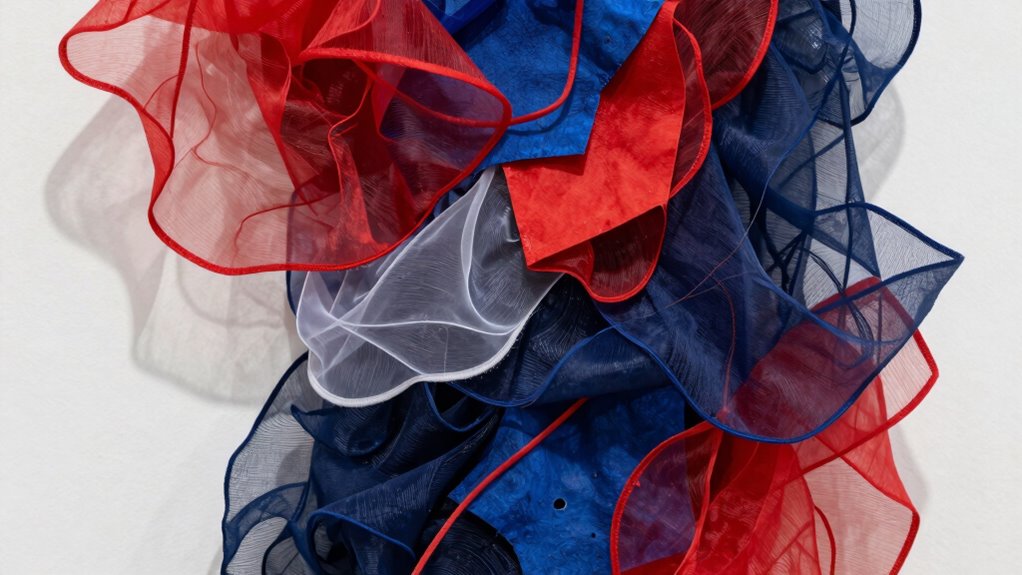
Have you ever wondered why contemporary art often feels open to multiple interpretations? It’s because artists intentionally craft their work to invite diverse perspectives, fostering what’s known as interpretation diversity. Unlike traditional art that often aims for clear, singular messages, contemporary art thrives on ambiguity. This ambiguity isn’t accidental; it’s a deliberate choice that encourages you to engage actively with the piece. When you encounter a work that feels open-ended, you become a participant in the meaning-making process rather than just a passive viewer. This heightened viewer engagement transforms the art from a static object into a dynamic dialogue, where your personal experiences, beliefs, and emotions shape how you interpret what you see.
The beauty of this approach is that it celebrates different viewpoints. Each person brings a unique lens to the artwork, making the experience highly individualized. One viewer might see political commentary in a chaotic assemblage of materials, while another might interpret it as a reflection on personal identity. The artist’s intent may be intentionally vague, allowing room for these varied readings. This openness not only broadens the scope of understanding but also creates a space where multiple narratives coexist. It’s a way of breaking down the idea that art has a fixed, singular meaning and instead embracing the fluidity of interpretation. Moreover, this practice aligns with the broader concepts in contemporary art, which emphasize that meaning is often shaped by viewer participation and context.
Your engagement with contemporary art is deeply influenced by its ambiguity because it challenges you to look beyond surface appearances. You’re encouraged to ask questions, consider different angles, and even confront your own biases. In this process, interpretation diversity becomes a crucial part of the artistic experience. The more you explore, the more layers of meaning you uncover, which keeps the experience fresh and thought-provoking. This intentional ambiguity also invites ongoing dialogue among viewers, critics, and artists, making the artwork a living conversation rather than a static display. Recognizing the role of interpretation diversity can deepen your appreciation for the complexity and richness of contemporary works, especially when considering the influence of indigenous knowledge and traditional skills in shaping cultural expressions.
contemporary art interpretation guide
As an affiliate, we earn on qualifying purchases.
As an affiliate, we earn on qualifying purchases.
Frequently Asked Questions
How Does Ambiguity Influence Viewer Interpretation of Art?
Ambiguity influences your interpretation of art by inviting symbolic interpretations and emotional responses. When a piece is open-ended, you actively engage, exploring various meanings that resonate with your personal experiences. This ambiguity encourages you to think deeply, fostering a connection that’s unique to you. As a result, you find yourself drawn into the artwork’s layers, making your experience more personal and emotionally impactful.
Are There Cultural Differences in Perceiving Ambiguity?
Yes, cultural differences shape how you perceive ambiguity in art. Cultural interpretations influence your understanding and emotional response, leading to perception diversity. What seems ambiguous or open to interpretation in one culture might be clear in another. You might find certain symbols or themes confusing or meaningful based on your background. Recognizing this helps you appreciate diverse perspectives and understand that ambiguity in art invites multiple interpretations across cultures.
What Psychological Effects Does Ambiguous Art Have?
Ambiguous art sparks your emotional resonance while challenging your cognitive engagement. You might feel intrigued, puzzled, or even unsettled, as your mind searches for meaning. This emotional response encourages introspection, deepening your connection to the piece. The open-ended nature stimulates curiosity, keeping your thoughts active long after viewing. Ultimately, this psychological effect transforms your experience, making art a personal journey rather than a fixed narrative.
Can Ambiguity Make Art More Universally Relatable?
Yes, ambiguity can make art more universally relatable. When you encounter ambiguous pieces, you bring your own emotional resonance and personal interpretation to them. This openness invites diverse perspectives, allowing viewers from different backgrounds to connect with the work in their unique ways. By leaving space for interpretation, artists foster a shared experience that transcends cultural or individual differences, making their art more inclusive and emotionally engaging for everyone.
How Do Artists Intentionally Incorporate Ambiguity?
Like a painter cloaking a secret, you intentionally incorporate ambiguity through symbolic layering and visual obscuration, inviting viewers to interpret your work. You embed multiple meanings within symbols, making each piece a puzzle. By obscuring certain details, you encourage personal reflection and diverse perspectives. This deliberate ambiguity transforms your art into a dynamic dialogue, allowing each viewer to find their own truth amid the visual mystery.
art appreciation books on ambiguity
As an affiliate, we earn on qualifying purchases.
As an affiliate, we earn on qualifying purchases.
Conclusion
You might find that contemporary art’s embrace of ambiguity encourages personal interpretation, making each viewing experience unique. Some theorists suggest this openness reflects a postmodern rejection of fixed meanings, inviting viewers to actively participate in creating their own understanding. By leaving space for ambiguity, artists challenge you to question assumptions and explore multiple perspectives, fostering deeper engagement. Ultimately, this fluidity mirrors life’s complexity, reminding you that meaning isn’t always clear-cut but often layered and subjective.
As an affiliate, we earn on qualifying purchases.
art critique and analysis toolkit
As an affiliate, we earn on qualifying purchases.
As an affiliate, we earn on qualifying purchases.
Halloween Picks
halloween
As an affiliate, we earn on qualifying purchases.