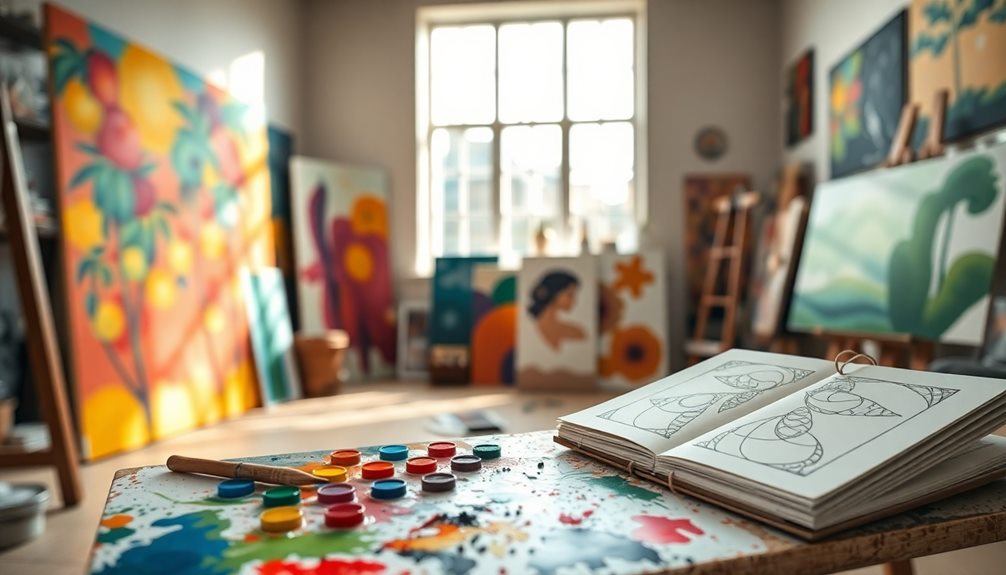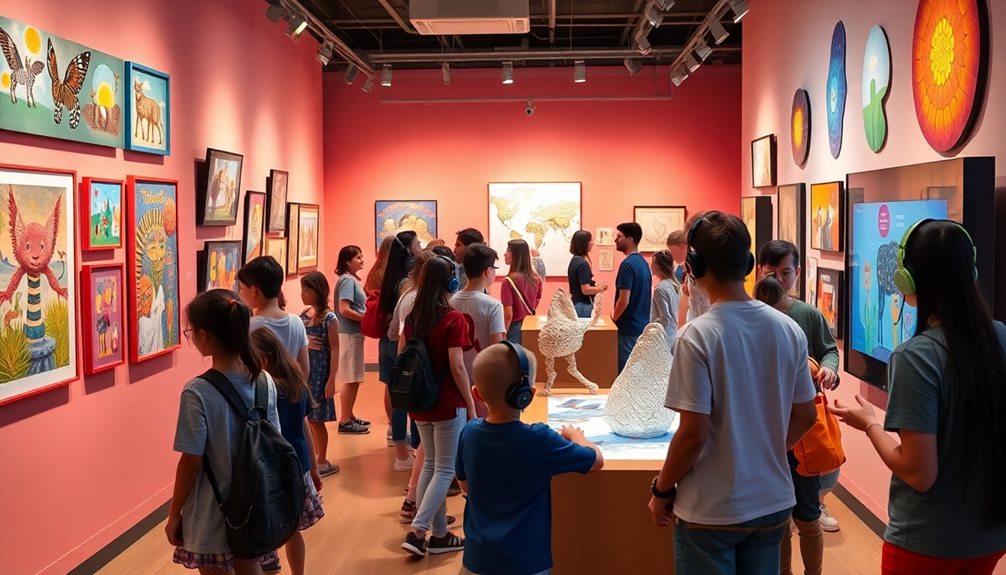

Your choice of materials and techniques shapes how your artwork looks and feels, from texture to color vibrancy. Different mediums like oil, watercolor, or printmaking bring unique qualities that influence your style and emotional impact. Understanding how materials behave helps you control your creative process and experiment with textures and effects. By exploring these factors, you can deepen your artistic expression—if you want to discover more, there’s plenty to uncover about why materials truly matter in art.
Key Takeaways
- Materials influence the artwork’s appearance, texture, and emotional impact, shaping how viewers perceive and connect with the piece.
- Different mediums offer unique tactile qualities, affecting the artist’s technique and the viewer’s sensory experience.
- Knowledge of material properties guides creative decisions and experimentation, leading to innovative artistic expressions.
- Historical and traditional materials provide context and depth, enriching understanding of an artwork’s cultural significance.
- The choice of medium impacts the artistic process, including speed, style, and the ability to achieve specific visual or tactile effects.
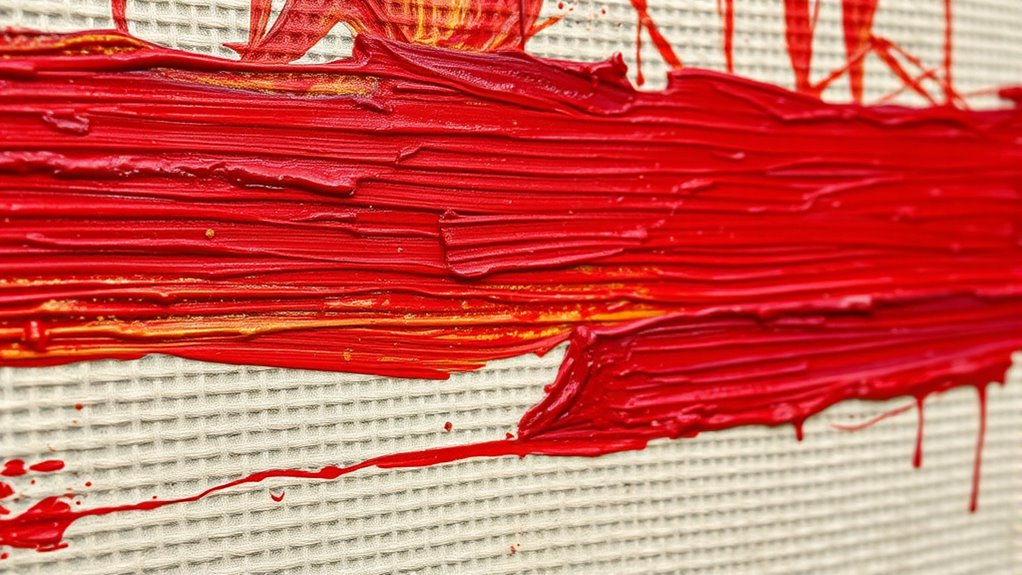
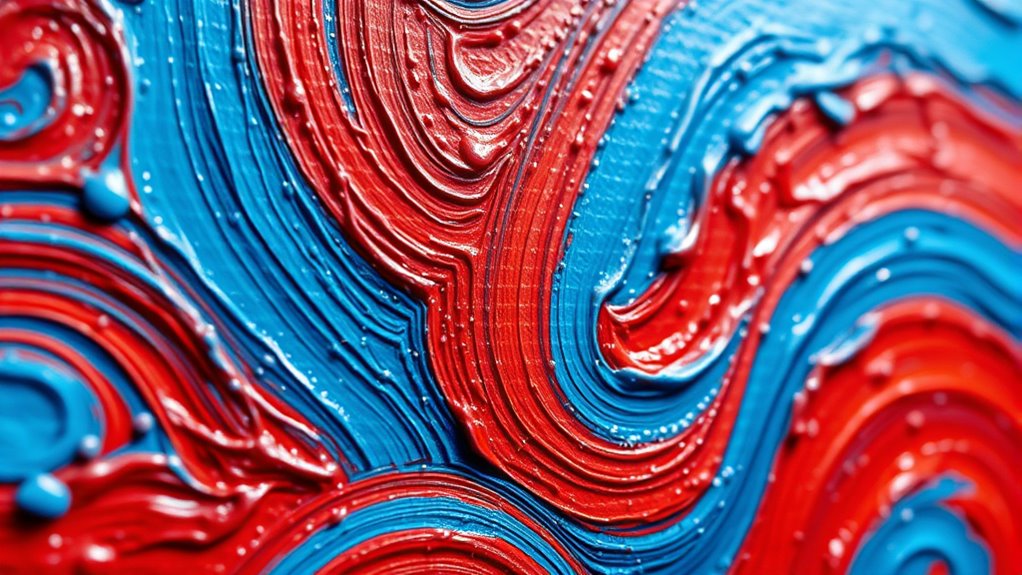
Have you ever wondered how artists choose their tools and methods to bring their ideas to life? The answer often lies in their understanding of medium and technique, which are essential in shaping the final piece. The materials an artist selects aren’t random; they’re carefully considered based on the effect they want to achieve and the message they aim to communicate. Texture exploration plays a key role here, as different mediums lend themselves to unique tactile qualities that can evoke emotion, add depth, or create visual interest. For example, a thick oil paint can produce a rich, impasto surface, inviting viewers to almost feel the texture. Conversely, watercolor’s transparency and fluidity can produce delicate, soft textures that suggest fragility or movement. By experimenting with these textures, artists discover how their chosen medium influences the viewer’s perception and emotional response. Additionally, understanding the historical context of various mediums allows artists to appreciate how techniques have evolved over time and how tradition can inform contemporary practice. This knowledge helps artists choose appropriate materials that align with their conceptual goals and technical skills.
Understanding historical mediums is also essential in appreciating how artists have historically conveyed meaning and technique. Traditional mediums like fresco, tempera, and encaustic paint carry their own unique textures and qualities, reflecting the technological and cultural contexts of their time. For instance, frescoes allowed artists to work directly on wet plaster, creating durable surface textures that have lasted centuries. These historical mediums often dictated specific methods, guiding artists on how best to manipulate their materials to achieve desired effects. Today, many artists study these old techniques not only to honor tradition but also to innovate within those frameworks, blending old methods with contemporary ideas. This exploration of historical mediums enriches an artist’s vocabulary of materials, enabling them to choose the right tools for their creative vision. Such understanding can lead to the development of unique hybrid techniques that push the boundaries of traditional art forms.
Choosing the right medium and technique also impacts the process of creation. Some artists prefer the immediacy of acrylics, which dry quickly and allow for rapid layering, while others favor the slow, contemplative process of working with oil paints. Similarly, printmaking techniques like etching or lithography provide textures and effects impossible to achieve with painting alone. The material’s inherent properties influence every stroke, layer, and detail, making the process more intentional. When you understand the qualities of different mediums, you gain control over your artistic expression. You learn how to manipulate texture, depth, and surface to communicate your ideas more effectively. Whether you’re exploring contemporary materials or revisiting traditional ones, your choice of medium becomes an extension of your voice—shaping both how your work looks and how it feels to those who see it. Recognizing the technical characteristics of various materials allows for more deliberate and meaningful artistic experimentation.
Frequently Asked Questions
How Do Artists Choose the Right Materials for Their Work?
You choose the right materials for your work by considering their material symbolism and technique versatility. Think about what each material represents or evokes, aligning with your message. You also test how flexible they are across different techniques, ensuring they support your creative process. By balancing symbolism and versatility, you select materials that enhance your artistic expression and bring your vision to life effectively.
Can Changing Mediums Alter the Meaning of a Piece?
Changing mediums can profoundly alter the meaning of your piece, as material symbolism influences how viewers interpret your message. Medium transformation shifts the context, tone, and emotional impact, making your work resonate differently. When you switch from paint to sculpture or digital to traditional, you reshape the narrative, inviting new perspectives. By experimenting with mediums, you deepen your artistic expression and evoke fresh insights, enriching both your creation and its viewer’s experience.
What Are Common Challenges When Working With Unconventional Materials?
When working with unconventional materials, you often face texture issues, making it tricky to achieve your desired surface quality. Durability concerns also arise, as these materials may not hold up over time or under different conditions. You need to experiment and adapt, finding ways to stabilize and protect your work. Overcoming these challenges requires patience and creativity, but it ultimately helps you produce unique, expressive pieces that stand out.
How Does the History of Materials Influence Contemporary Art?
You’re standing at the crossroads of art’s past and present, where history’s influence is as vast as the universe itself. Material evolution shapes contemporary art, showing how artists adapt and innovate based on historical contexts. This evolution reveals a deep connection, illustrating that contemporary works aren’t created in a vacuum but are rooted in the rich legacy of materials used over time. Understanding this helps you appreciate how history continually informs creative expression.
Are Certain Techniques Better Suited for Specific Mediums?
You might wonder if certain techniques work better with specific mediums. Generally, yes, because material compatibility is key; some techniques excel with certain materials, enhancing technical versatility. For instance, oil painting techniques suit oil paints best, while digital methods are ideal for digital media. Choosing the right method depends on understanding both the medium’s properties and how your chosen technique interacts with those materials, ensuring your artistic vision comes to life effectively.
Conclusion
Choosing the right medium and technique shapes your artwork’s impact. Imagine you’re creating a mural with vibrant spray paints—this choice transforms a simple wall into a powerful statement. Just like how Banksy’s spray paint work captures attention worldwide, your material choices can convey emotion and meaning. So, pick your tools carefully; they’re not just supplies, but essential elements that bring your creative vision to life and resonate with your audience.