
Around the world, art education varies widely, shaped by cultural traditions, societal values, and educational priorities. Some countries focus on mastering traditional techniques and indigenous crafts, reflecting cultural identity, while others prioritize global perspectives and contemporary practices. Pedagogical styles range from teacher-led instruction to student-centered exploration, and the emphasis can be on technical skills or personal expression. Keep exploring to discover how these approaches influence artistic growth across different regions.
Key Takeaways
- Cultural influences shape curriculum content, emphasizing indigenous crafts, traditional techniques, and cultural identity in different countries.
- Some regions focus on mastering traditional art forms, while others prioritize global perspectives and contemporary practices.
- Art program structures vary from dedicated studio hours to elective courses, reflecting national educational priorities.
- Pedagogical approaches range from teacher-led, technique-focused methods to student-centered, exploratory learning styles.
- Art education reflects societal values, balancing heritage preservation with innovation and fostering diverse artistic expressions worldwide.
Have you ever wondered how different countries teach art and nurture creativity in students? It’s fascinating to see how cultural influences shape the way art education is approached worldwide. In some countries, art classes are deeply rooted in tradition, emphasizing local crafts, historical techniques, and indigenous art forms. This connection to cultural identity helps students appreciate their heritage while developing technical skills. Conversely, other nations may prioritize a more global perspective, exposing students to international art movements and contemporary practices. This blend of perspectives allows for a rich curriculum diversity, giving students a broad understanding of artistic expression across different cultures.
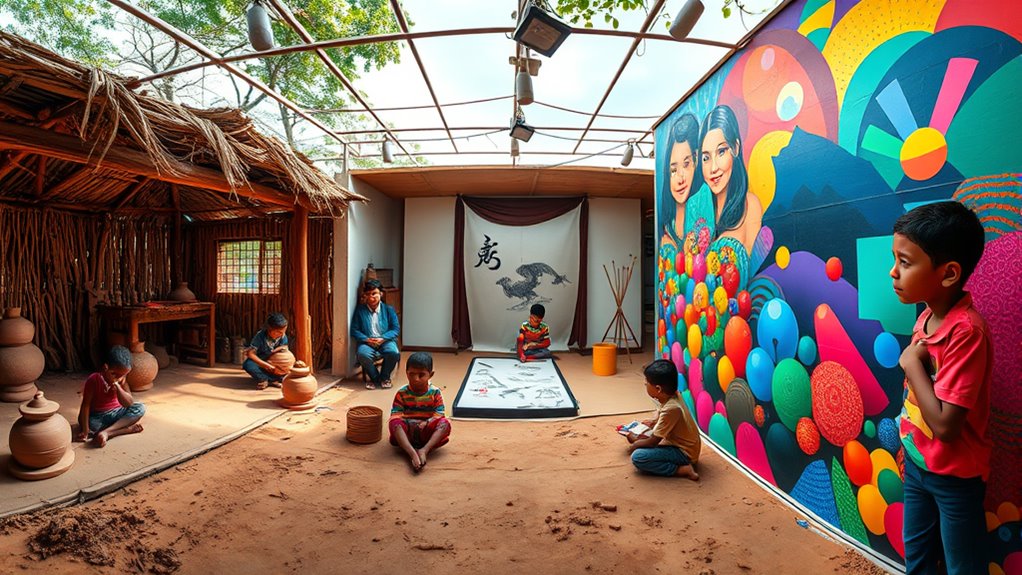
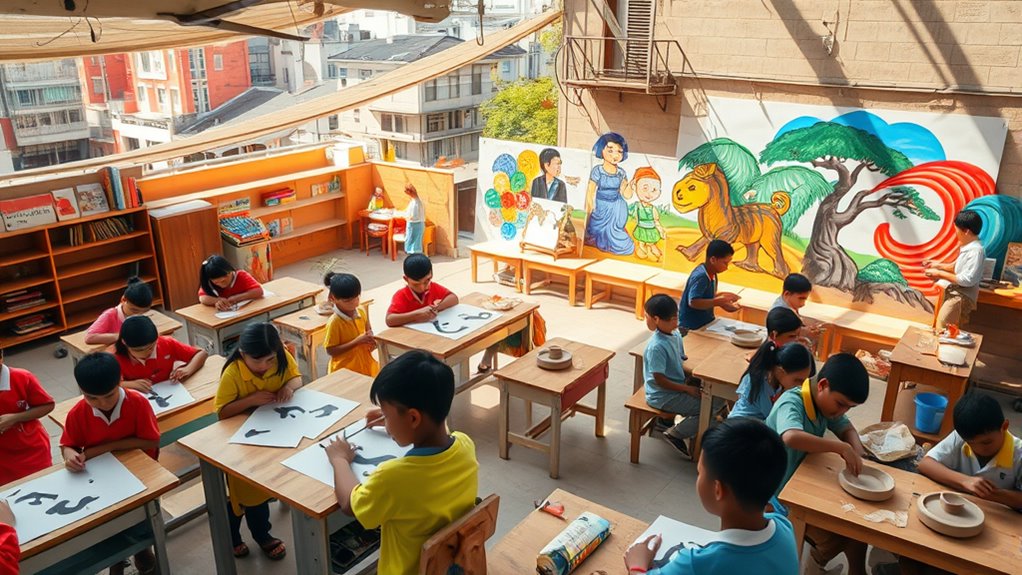
Cultural influences play a significant role in shaping curriculum content and teaching styles. In Japan, for example, traditional techniques like sumi-e ink painting and calligraphy are ingrained in the art curriculum, reflecting the country’s historical appreciation for artistry rooted in discipline and mindfulness. Meanwhile, in countries like Nigeria, art education often incorporates indigenous crafts such as beadwork, sculpture, and textile arts, fostering pride in local traditions. These cultural elements influence not only what students learn but also how they learn, with some curricula emphasizing hands-on, craft-based activities that honor specific cultural practices.
Curriculum diversity is also evident in how countries structure their art programs. Some systems integrate art as an essential part of the overall education, dedicating specific hours to studio work, art history, and critique, while others treat it as an elective or extracurricular activity. For instance, Scandinavian countries tend to incorporate a broad, inclusive approach, encouraging experimentation and personal expression within their art classes. They often emphasize critical thinking and conceptual development alongside technical skills, reflecting a belief that creativity flourishes through freedom and exploration. Meanwhile, in many Asian countries, art education might focus heavily on mastering traditional techniques before allowing students to explore personal or contemporary styles.
This diversity isn’t just about content but also about pedagogical methods. Some countries favor teacher-led instruction, emphasizing technical mastery and disciplined practice, while others promote student-centered learning, where students are encouraged to explore their ideas freely. The curriculum’s design influences how students engage with art, shaping their understanding of creativity and cultural identity. As you explore different educational systems, you’ll see that these variations reflect each society’s values and history, making art education a mirror of their unique cultural landscapes. Ultimately, whether through preserving tradition or encouraging innovation, each approach offers valuable insights into nurturing creativity around the world.
Frequently Asked Questions
How Do Cultural Differences Influence Art Curricula Globally?
Cultural differences shape art curricula by emphasizing unique forms of cultural expression and fostering artistic diversity. You’ll find that in some regions, traditional techniques and local themes take precedence, reflecting community values. In others, contemporary styles and global influences are integrated to broaden students’ perspectives. These variations guarantee that students appreciate diverse artistic expressions, helping them develop a deeper understanding of their own culture and the world’s rich artistic diversity.
What Role Does Technology Play in International Art Education?
You might think technology limits traditional art teaching, but it actually enhances it. Digital tools and virtual classrooms allow you to access diverse art styles, collaborate globally, and refine skills anytime, anywhere. These innovations break down geographical barriers, making art education more inclusive and dynamic. Embrace digital technology, and you’ll find new opportunities to grow creatively, connect with others, and expand your artistic horizons beyond conventional boundaries.
How Are Indigenous Art Forms Integrated Into School Programs?
You can see indigenous art forms integrated into school programs through hands-on activities, where you learn indigenous techniques like beadwork or weaving. Teachers often emphasize cultural storytelling, encouraging you to explore the history and significance behind each art form. This approach helps you appreciate diverse traditions, fostering respect and understanding. By actively participating, you connect with indigenous cultures and keep their artistic heritage alive in your education.
What Challenges Do Countries Face in Standardizing Art Education?
Imagine building a bridge across diverse landscapes; that’s what standardizing art education feels like. You face assessment barriers that make measuring creativity tricky and funding disparities that leave some regions with shaky foundations. These challenges hinder creating a cohesive curriculum, as you struggle to balance local traditions with global standards. Overcoming these hurdles requires innovative strategies, ensuring every student can explore art without being limited by resource gaps or inconsistent evaluation methods.
How Does Art Education Impact National Identity and Cultural Preservation?
You influence national identity and cultural preservation through art education by exploring cultural symbolism and showcasing artistic heritage. When you engage with local art forms and traditions, you help maintain cultural symbols alive, fostering pride and understanding. This connection strengthens a community’s sense of belonging, guarantees that artistic heritage is passed down, and promotes respect for diverse cultures. Your participation in art education helps safeguard a nation’s unique cultural identity for future generations.
Conclusion
Imagine art education as a vibrant garden, where different countries plant unique seeds of creativity. Each approach adds color and diversity to the world’s artistic landscape. By embracing these varied methods, you help nurture a global mosaic of talent and expression. Just as a garden thrives with diverse blooms, your understanding and appreciation of different art education systems can help cultivate a richer, more inspiring world for future artists.