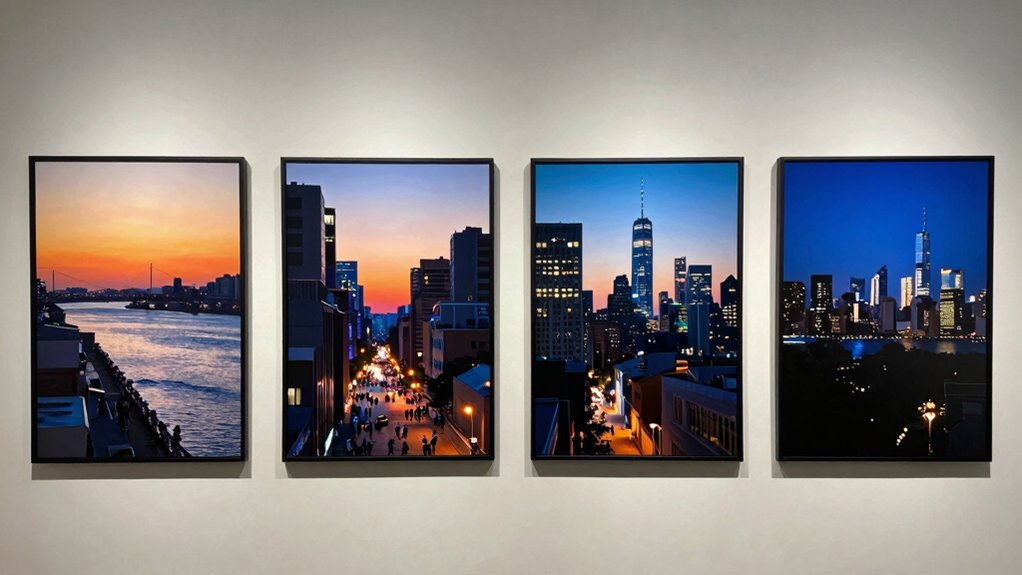
Artists use sequencing to guide your emotional journey and shape how you interpret their work. They carefully arrange images or scenes to build suspense, evoke feelings, or emphasize themes. By controlling the order, timing, and rhythm, they create dynamic experiences that deepen storytelling and keep your attention. Through visual cues and strategic placement, artists influence your perception, making each element impactful. Keep exploring, and you’ll discover how sequencing can transform your understanding of art.

Get the latest gadgets delivered free with Prime
- Fast, free delivery on millions of items
- Prime Video, Amazon Music and more included
- Member-only deals all year
Key Takeaways
- Artists arrange visual elements to control storytelling flow and evoke specific emotional responses.
- Sequencing highlights pivotal images to emphasize themes and guide viewer interpretation.
- Manipulating image order builds suspense, empathy, or catharsis for a deeper emotional impact.
- Timing and rhythm adjustments create movement, stillness, and emotional pacing within the artwork.
- Visual cues and deliberate sequencing direct viewer focus and shape overall narrative experience.
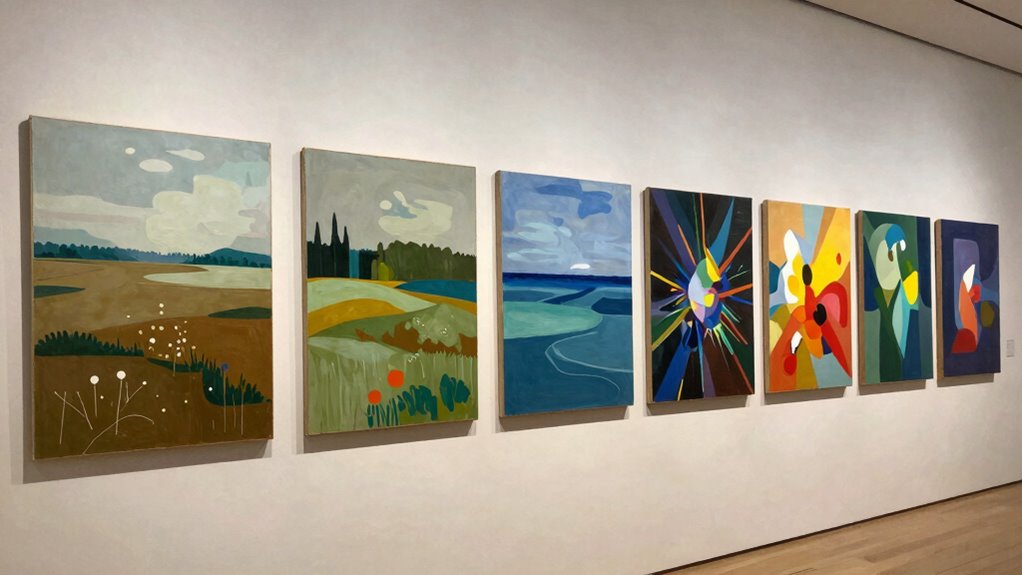
Artists often rely on sequencing to bring their creative visions to life, breaking down complex projects into manageable steps. This process allows you to control how viewers experience your work, guiding their attention and emotions with deliberate order. Sequencing becomes a powerful tool for visual storytelling, helping you craft a narrative that unfolds seamlessly across your artwork. By arranging elements thoughtfully, you guarantee that each part contributes to a cohesive story, making it easier for viewers to follow your intended message. Whether you’re designing a comic strip, a series of paintings, or a multimedia piece, sequencing helps you establish a clear flow that keeps your audience engaged.
Artists use sequencing to craft cohesive, engaging stories that guide viewers through their creative vision seamlessly.
One of the key ways sequencing shapes the viewer’s experience is through emotional progression. You can manipulate the order of images or scenes to evoke specific feelings at precise moments. For instance, starting with a calm, neutral scene and gradually introducing more intense or dramatic elements can build suspense or evoke empathy. Conversely, you might reverse this order to create a sense of catharsis or release. When you carefully plan the sequence, you control the emotional journey, guiding viewers through highs and lows, tension and relief. This intentional pacing makes your work resonate more deeply, as viewers feel connected to the narrative you’re weaving. Additionally, understanding how visual storytelling functions through sequencing enhances your ability to craft compelling narratives in art. Recognizing the importance of visual flow allows artists to create more impactful and memorable experiences.
The sequencing process also influences how viewers interpret your artwork. By sequencing visual elements strategically, you can emphasize particular themes or symbols, making them stand out and reinforcing your message. For example, placing a pivotal image at a key point in the sequence heightens its impact. You might use visual cues, such as color shifts or compositional changes, to direct attention and reinforce emotional cues. As you layer these elements, you’re essentially telling a story without words, shaping the viewer’s perception step by step. In this way, understanding narrative structure helps artists control the story’s delivery and reception more effectively. Moreover, thoughtful sequencing can help manage visual tension, guiding viewers’ eyes and emotional responses throughout the piece.
Furthermore, sequencing allows you to experiment with timing and rhythm. You can create a sense of movement or stillness, depending on how quickly or slowly you progress through your scenes. This rhythmic control influences how viewers feel during their experience, whether they feel urgency, tranquility, or reflection. By adjusting the sequence, you craft a dynamic experience that feels intentional and compelling. Your ability to guide emotional progression through sequencing ensures your artwork communicates more than just visuals — it tells a story that moves and affects your audience on a profound level.
art sequencing storyboard templates
As an affiliate, we earn on qualifying purchases.
As an affiliate, we earn on qualifying purchases.
Frequently Asked Questions
How Do Artists Decide the Order of Visual Elements?
You decide the order of visual elements by considering color harmony and spatial arrangement to guide the viewer’s eye. You might place contrasting colors strategically to create focal points or arrange elements to lead smoothly across the piece. Your goal is to create a visual flow that evokes emotion or tells a story, so you experiment with balance, hierarchy, and rhythm, ensuring each element complements the overall composition.
What Role Does Narrative Play in Sequencing Artwork?
Narrative plays a vital role in sequencing artwork by guiding your eye through visual storytelling and creating a cohesive experience. As you move from one element to the next, the artist guarantees thematic progression, making the story clear and engaging. This deliberate sequencing helps you connect emotionally, understand the message, and stay captivated, as each piece builds upon the last to unfold a compelling story with visual clarity.
Can Sequencing Influence the Emotional Impact of Art?
Yes, sequencing can substantially influence the emotional impact of art. By carefully arranging elements, you guide the viewer through an emotional progression, creating a deeper connection. Strategic sequencing enhances viewer engagement, making the experience more immersive and meaningful. You control the pacing, shifts in mood, and focal points, allowing emotions to build or transform. This deliberate flow ensures your artwork resonates more profoundly, leaving a lasting impression on those who experience it.
How Is Sequencing Used Differently Across Art Mediums?
You notice that artists use sequencing differently across art mediums by emphasizing color progression and spatial arrangement. In painting, they might gradually shift hues to guide your emotional journey, while in film or photography, spatial arrangement directs your focus through framing and scene order. This strategic sequencing helps create a narrative flow, making the experience more immersive and impactful, regardless of whether the medium is static or dynamic.
What Are Common Challenges in Creating Effective Sequences?
You might face challenges in creating effective sequences, especially in maintaining color harmony and visual rhythm. Balancing the flow so each element leads naturally to the next can be tough, and ensuring the sequence keeps the viewer engaged without confusion requires careful planning. Sometimes, achieving a cohesive story while juggling contrasting colors or dynamic pacing can complicate the process, but focusing on these aspects helps craft a compelling, harmonious experience.
As an affiliate, we earn on qualifying purchases.
Conclusion
By mastering sequencing, you hold the power to transform ordinary moments into unforgettable journeys. Every carefully arranged image or step can sweep viewers off their feet, guiding their emotions and thoughts like a master magician. Imagine your art so compelling that it commands attention, bending reality itself to your will. With sequencing, you’re not just creating art—you’re orchestrating an experience so mesmerizing, it might just change how people see the world forever.
As an affiliate, we earn on qualifying purchases.
As an affiliate, we earn on qualifying purchases.
Fall Picks
fall essentials
As an affiliate, we earn on qualifying purchases.