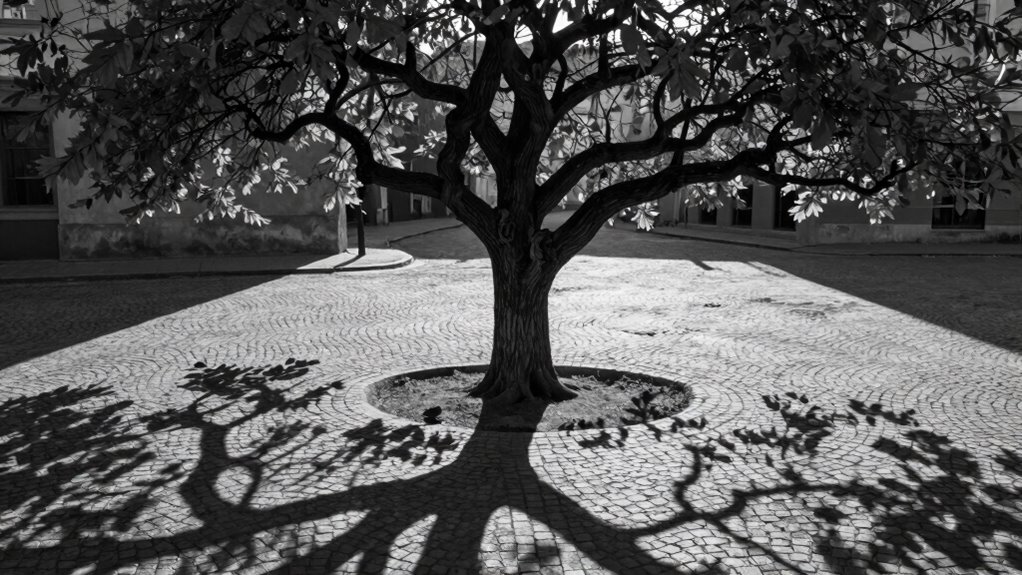

Shadows play a vital role in shaping your perception of an artwork, guiding your eye and creating depth. They help distinguish foreground from background and build a sense of space, making scenes feel more realistic or dynamic. Shadows also set the mood—harsh shadows evoke tension, while soft shadows create calmness. By manipulating shadow qualities, you can convey emotions, symbolism, and storytelling layers. Keep exploring to discover how mastering shadows can elevate your artistic impact.

Get the latest gadgets delivered free — and shop member deals
- Fast, free delivery on millions of items
- Access to Prime Big Deal Days deals on October 6–7
- Prime Video, Amazon Music and more included
Key Takeaways
- Shadows guide viewers’ attention and emphasize focal points within an artwork.
- They create depth and spatial relationships, enhancing the three-dimensional illusion.
- Shadows set mood and atmosphere, conveying emotions or narrative layers.
- Skilled manipulation of shadows demonstrates technical mastery and realism.
- Shadows contribute to visual hierarchy and layered storytelling in composition.
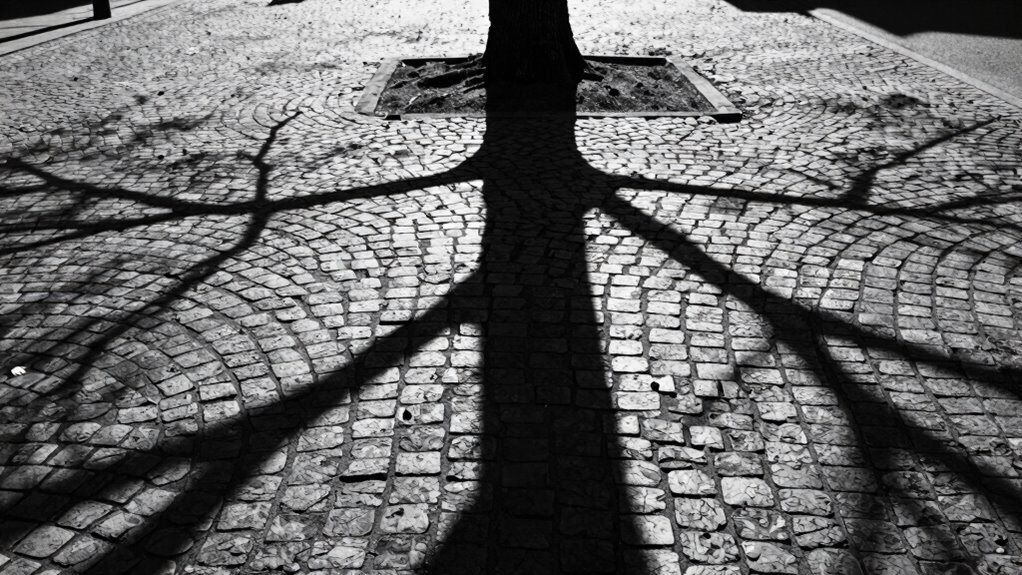
Shadows have long played an essential role in art, serving as more than just the absence of light. They are powerful tools artists use to shape perception, evoke emotion, and convey meaning. When you observe a well-crafted painting or sculpture, you’ll notice how shadows are strategically applied to guide your eye and create a sense of realism. Light manipulation is central to this process, as artists carefully control how light interacts with objects to produce shadows that accentuate particular features or suggest movement. By adjusting the intensity, direction, and softness of light, they can emphasize certain areas while downplaying others, creating a dynamic interplay that keeps your attention engaged.
Shadows also serve as a fundamental element in enhancing depth within a composition. When you look at a scene, the contrast between illuminated surfaces and shaded regions gives a sense of spatial relationships. Artists use shadows not just to block out parts of their work but to build a three-dimensional illusion on a two-dimensional surface. This depth enhancement allows you to feel as though you’re peering into a tangible space, rather than just observing a flat image. The way shadows fall and stretch across objects helps you distinguish foreground from background, establishing a clear hierarchy of elements within the artwork. This spatial clarity is essential in creating compositions that feel immersive and believable. Additionally, understanding how light interacts with objects can deepen your appreciation of an artwork’s technical mastery. Recognizing the use of light and shadow can also help you analyze an artist’s skill in manipulating visual elements to achieve specific effects. Furthermore, studying how shadow edges transition can reveal an artist’s level of expertise in creating realistic or stylized effects. A well-executed shadow can also serve to highlight the artist’s understanding of form and volume, adding further realism to the piece.
You’ll also notice how shadows influence mood and atmosphere. A stark, harsh shadow can evoke feelings of tension or mystery, while softer, diffuse shadows tend to create calmness and serenity. Artists manipulate these qualities intentionally, knowing that shadows can communicate more than just form—they can tell stories and evoke emotional responses. Additionally, shadows can serve symbolic functions, representing themes like concealment, duality, or transformation. When you engage with art that skillfully uses shadows, you’re not just seeing forms and depths; you’re experiencing a layered narrative shaped by light and dark.
artistic shadow study lighting kit
As an affiliate, we earn on qualifying purchases.
As an affiliate, we earn on qualifying purchases.
Frequently Asked Questions
How Do Shadows Influence Viewer Perception in Art?
Shadows influence your perception in art by emphasizing light contrast and creating a sense of depth perception. When you see shadows, they guide your eye across the composition, highlighting certain areas and adding realism. Shadows can evoke mood and mystery, making the scene feel more three-dimensional and engaging. You subconsciously interpret shadows to understand spatial relationships, which enhances your overall experience and emotional connection with the artwork.
What Are Common Techniques Artists Use to Create Realistic Shadows?
To create realistic shadows, you focus on finesse with light diffusion and shadow contrast. You start by observing how light naturally diffuses, softening edges and deepening contrast where shadows fall. You use layered shading, blending tones seamlessly, and paying close attention to the light source’s position. This helps you craft shadows that feel authentic, adding depth and dimension, making your artwork come alive with a believable, beautiful balance of light and shadow.
Can Shadows Convey Emotional Tone in a Composition?
Yes, shadows can convey emotional tone in a composition. You can use them for mood enhancement, creating feelings like mystery, tension, or serenity. Shadows also serve as narrative symbolism, representing hidden emotions, secrets, or internal struggles. By manipulating shadow intensity and placement, you guide viewers’ emotional response, adding depth and complexity to your artwork. Shadows become powerful tools for expressing subtle psychological states and enhancing storytelling through visual cues.
How Do Shadows Differ Across Various Art Styles?
Shadows differ markedly across art styles, affecting light contrast and depth creation. In realism, shadows are subtle, enhancing three-dimensionality, while in impressionism, they’re looser, emphasizing mood over precision. Abstract styles often minimize shadows altogether, focusing on flat color fields. You might think shadows are always realistic, but artists intentionally manipulate them to evoke emotion or emphasize form, making each style’s use of shadows a unique visual language.
What Historical Periods Emphasized Shadow Use in Artworks?
During the Renaissance and Baroque periods, artists emphasized shadow use through chiaroscuro techniques, creating dramatic contrasts that added depth and emotion. You’ll notice symbolic shadow use in these eras, often representing moral or spiritual themes. These periods prioritized manipulating shadows to enhance storytelling, guiding viewers’ focus and evoking mood. By mastering chiaroscuro, artists transformed flat surfaces into vivid, three-dimensional scenes filled with symbolic meaning.
professional artist shadow painting set
As an affiliate, we earn on qualifying purchases.
As an affiliate, we earn on qualifying purchases.
Conclusion
As you step back and see the canvas of shadows, you’ll realize they’re more than mere darkness—they’re the silent storytellers of depth and emotion. Shadows carve mysteries into your artwork, guiding the viewer’s eye like whispers of secrets waiting to be uncovered. Embrace their subtle dance, for in their fleeting presence, they turn simple scenes into vivid tales of light and dark. Let shadows be your artistic compass, leading your creation into domains of enthralling wonder.
artistic lighting and shadow tools
As an affiliate, we earn on qualifying purchases.
As an affiliate, we earn on qualifying purchases.
As an affiliate, we earn on qualifying purchases.
Halloween Picks
halloween
As an affiliate, we earn on qualifying purchases.