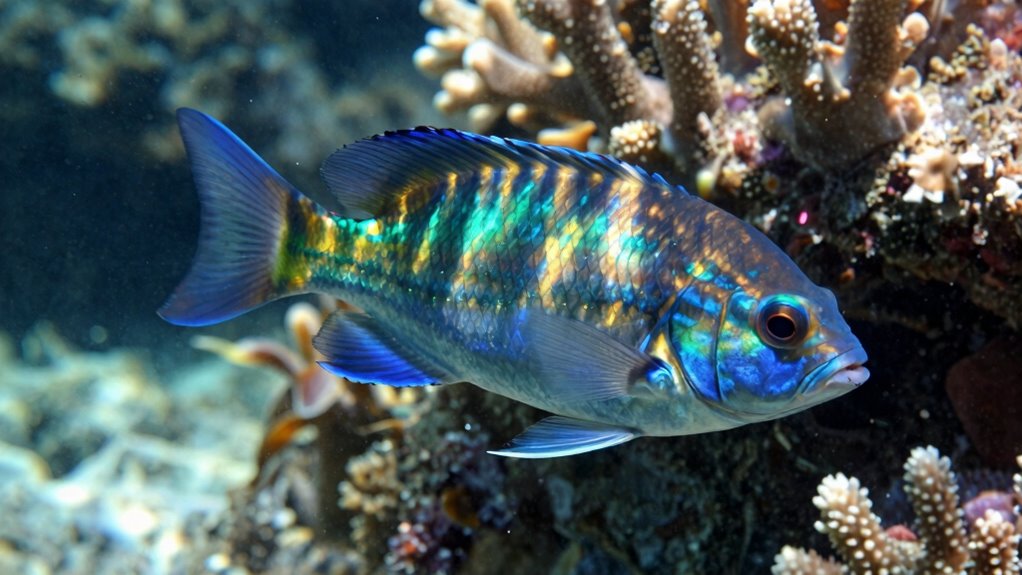

Biological processes like genetic mutation and cellular growth introduce unpredictability into art by creating spontaneous variations and organic patterns. As living systems evolve naturally, they challenge your control, inspiring you to embrace randomness and imperfection. This unpredictability leads to unique textures, forms, and surprises in your work, reflecting life’s inherent complexity. If you want to uncover how these biological principles can elevate your creativity, there’s more to explore below.
Key Takeaways
- Biological processes like mutation and cellular growth introduce inherent randomness, leading to unpredictable artistic forms and structures.
- The natural variability in biological systems encourages artists to embrace spontaneity and organic evolution in their work.
- Emergent behaviors from cellular interactions produce complex patterns that challenge precise control in art creation.
- Biological unpredictability symbolizes transformation and resilience, inspiring dynamic and adaptable artistic expressions.
- Incorporating biological mechanisms fosters a sense of spontaneity, reflecting life’s natural flow and inherent chaos in artworks.
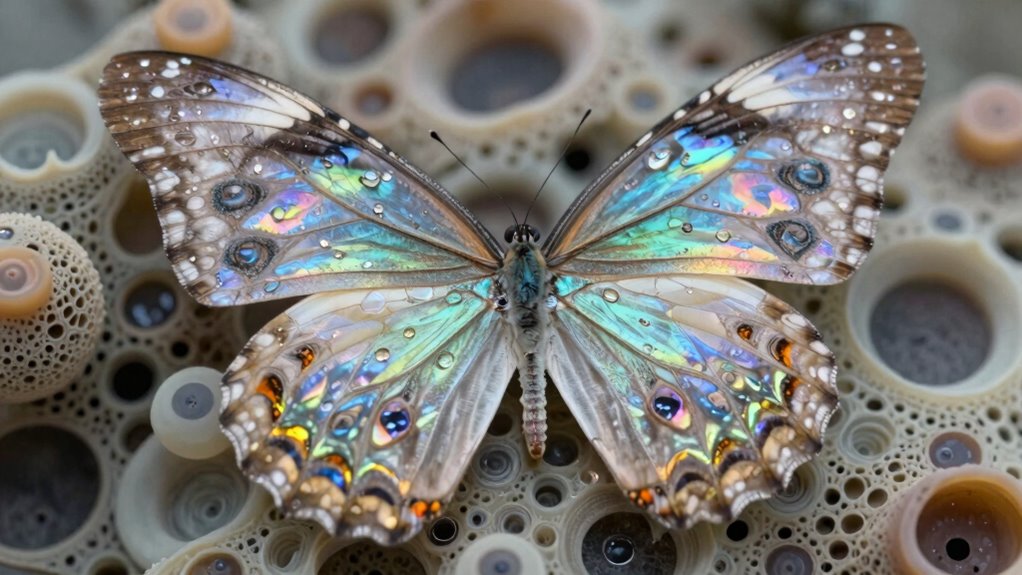
Biological processes, with their inherent complexity and unpredictability, have become a compelling source of inspiration for artists seeking to challenge traditional notions of control and certainty. When you observe how living systems evolve, you notice that genetic mutation acts as a catalyst for change, introducing unexpected variations that can reshape entire organisms or ecosystems. In art, this concept translates into embracing randomness and imperfection, allowing works to evolve organically rather than following a strict plan. The unpredictability of genetic mutation reminds you that even the most carefully designed projects can take unforeseen turns, adding a layer of spontaneity that reflects life’s natural flow. Furthermore, the unpredictable nature of cellular processes exemplifies how emergent complexity can lead to novel and unanticipated outcomes. Cellular growth, another fundamental biological process, exemplifies how complexity breeds unpredictability. As cells divide and expand, they do so in ways that aren’t always fully controllable or predictable, resulting in unique patterns and structures. You see this in art installations where the growth of materials or living elements is left to natural processes, producing outcomes that defy initial expectations. This process invites you to relinquish some degree of control, trusting in biological systems to generate forms and textures that are both surprising and organic. It’s about acknowledging that some aspects of creation lie beyond human mastery, emphasizing the beauty of emergent complexity. Additionally, understanding biological variability reveals how natural systems are inherently dynamic and adaptable, inspiring artists to incorporate variability as a core element in their work. The inherent randomness in biological systems encourages a deeper appreciation for the organic unpredictability that can be harnessed creatively. When you incorporate biological processes into your art, you tap into a domain where unpredictability becomes a powerful narrative device. The randomness inherent in genetic mutation can symbolize change, evolution, and adaptation, reminding viewers that stability is often an illusion. Similarly, cellular growth can serve as a metaphor for transformation and resilience, emphasizing that growth itself is often unpredictable and non-linear. Embracing chaotic systems can further deepen your understanding of how complexity fosters unpredictability in both art and biology. By harnessing these natural processes, your work can evoke a sense of spontaneity and life’s inherent unpredictability, challenging audiences to reconsider their assumptions about control and order in both art and nature. Ultimately, biological processes like genetic mutation and cellular growth inspire you to think differently about creation. They push you to embrace the unpredictable, to find beauty in chaos, and to accept that some of the most compelling artwork emerges from the spontaneous and uncontrollable aspects of life. This approach not only enriches your artistic practice but also invites viewers to reflect on the unpredictable yet interconnected nature of all living systems. In doing so, your art becomes a vivid testimony to the dynamic, ever-changing mechanisms that shape both biological life and creative expression.

ARPEOTCY Sandstone 3D Wall Art Decor with Shelf Vase, White Brown,Modern
- Design Style: Minimalist boho with geometric accents
- Suitable Spaces: Living rooms, bedrooms, entryways, bathrooms
- Materials Used: Sandstone, wood, glass, artificial plants
As an affiliate, we earn on qualifying purchases.
As an affiliate, we earn on qualifying purchases.
Frequently Asked Questions
How Do Biological Processes Influence Digital Art Techniques?
You influence digital art techniques through biological processes like genetic algorithms and cellular automata, which introduce randomness and evolution. Genetic algorithms mimic natural selection, allowing your artwork to adapt and improve over iterations. Cellular automata create complex patterns from simple rules, generating unpredictable visuals. By incorporating these processes, you add organic, dynamic elements to your art, making each piece unique and lively, reflecting the inherent unpredictability found in biology.
Can Biological Unpredictability Be Intentionally Incorporated Into Artwork?
Yes, you can intentionally incorporate biological unpredictability into your artwork by embracing organic randomness and natural variability. You might use mediums like biological ink, experiment with living organisms, or incorporate algorithms mimicking biological processes. These methods allow you to harness unpredictability creatively, making each piece unique. By consciously including biological elements, you evoke the inherent spontaneity of nature, adding depth, complexity, and authenticity to your art.
What Are Some Famous Artworks Inspired by Biological Randomness?
Famous artworks inspired by biological randomness include Jackson Pollock’s drip paintings, which capture cellular variability through spontaneous splatters, and the works of Eduardo Kac, who uses genetic randomness to create bio-art like GFP Bunny. These pieces embrace genetic randomness and cellular variability, highlighting unpredictability. You can see how artists harness biological processes to produce art that reflects the inherent unpredictability found in nature, making each piece uniquely alive and surprising.
How Do Artists Study Biological Processes for Creative Inspiration?
You study biological processes by observing cellular patterns and genetic variation, inspiring your creative work. Some artists utilize microscopes to examine cell structures, capturing intricate details that influence your designs. You might also analyze genetic variation to understand diversity and randomness, translating these concepts into dynamic visuals. By immersing yourself in scientific research, you harness biological unpredictability, creating art that reflects nature’s complexity and inherent chaos.
Are There Ethical Concerns With Using Biological Elements in Art?
Yes, using biological elements in art raises ethical dilemmas, especially with genetic modification. You need to contemplate the potential impact on ecosystems, animal welfare, and human health. It’s important to question whether manipulating biological material respects natural boundaries or risks unintended consequences. As an artist, you should weigh the creative benefits against these ethical concerns, ensuring your work doesn’t harm or exploit living organisms or cross moral lines.
biological process inspired art kits
As an affiliate, we earn on qualifying purchases.
As an affiliate, we earn on qualifying purchases.
Conclusion
So, next time you marvel at a piece of art, remember that beneath its surface, biological processes like neural activity and genetic randomness weave unpredictability into its creation—think of it as the 21st-century equivalent of Da Vinci’s mysterious sketches. Embrace this chaos, for it’s what makes art alive and ever-changing. Just like the digital age, biological randomness reminds us that true creativity thrives in unpredictability, turning science into the ultimate artist.
cellular growth art installation supplies
As an affiliate, we earn on qualifying purchases.
As an affiliate, we earn on qualifying purchases.

10Pcs Dotting Tools, Ball End Dot Art Tools for Rock Painting, Pottery Clay Modeling Embossing Art Mandala
- Number of Ball Ends: 20 ball ends with 14 diameters
- Versatile Application: Suitable for rock, canvas, seashells, and clay
- Lightweight and Comfortable: Made of lightweight, stain-resistant plastic
As an affiliate, we earn on qualifying purchases.
As an affiliate, we earn on qualifying purchases.