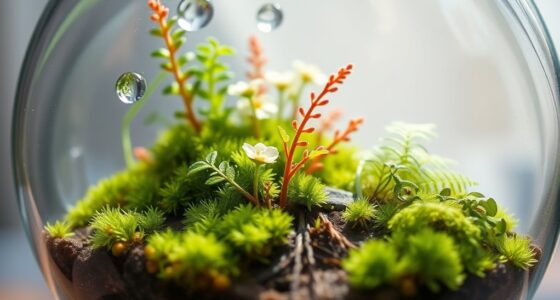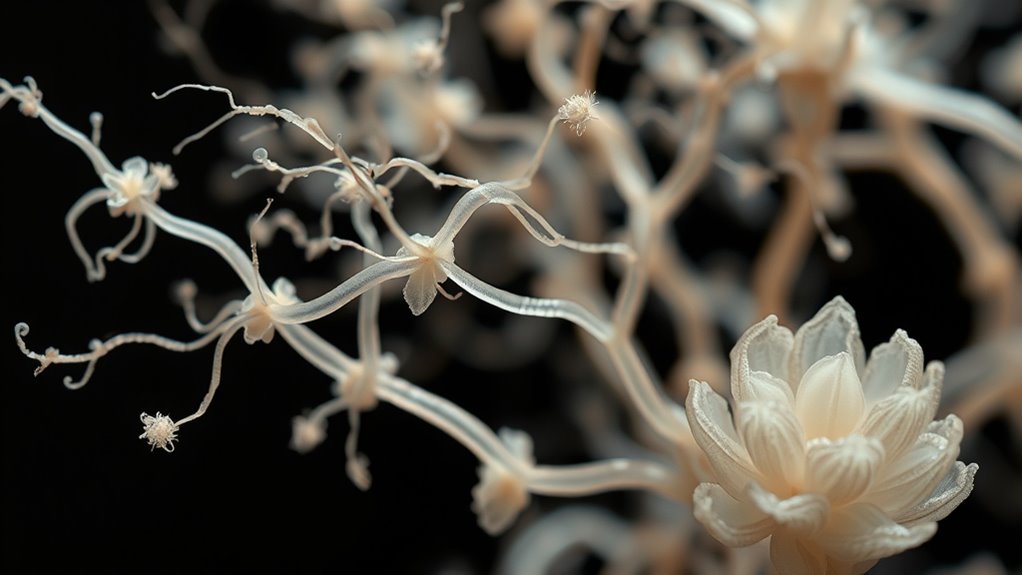

Tissue culture and semi-living artworks by Oron Catts and Ionat Zurr push boundaries by integrating living tissues into sculptures, challenging ideas of life and ethics. They use precise laboratory techniques to grow biological materials that become part of art pieces, often emphasizing fragility and transformation. Their projects explore biological aesthetics and societal questions, blending science and art. Continuing will uncover how their innovative work shapes bio-art’s future and raises important ethical conversations.
Key Takeaways
- Oron Catts and Ionat Zurr pioneered bio-art using tissue culture to create semi-living sculptures and installations.
- Their projects explore biological aesthetics, mortality, and the fragility of life through living tissue artworks.
- They develop techniques involving sterile environments, nutrient media, and cell cultivation for artistic purposes.
- Their work raises ethical questions about the moral status of semi-living entities and biological experimentation.
- Their influence fosters interdisciplinary collaboration, integrating science and art to challenge societal perceptions of life.
The Origins and Evolution of Bio-Art

Bio-art has emerged as a provocative intersection between science and creativity, challenging traditional notions of artistic expression. Its origins trace back to early experiments where artists began integrating living tissues and biological processes into their work. As bio-art evolved, it prompted critical discussions around biotechnological ethics, questioning the moral implications of manipulating living organisms for artistic purposes. Artists like Oron Catts and Ionat Zurr pushed boundaries through artistic experimentation, exploring how biology could serve as a medium for innovation. This movement blurs the lines between science and art, encouraging a dialogue on the potentials and limits of using living materials creatively. Over time, bio-art has become a platform for addressing ethical concerns while expanding the scope of artistic innovation. Additionally, the use of biological materials such as tissue culture has opened new avenues for experimental art forms, challenging viewers to reconsider the boundaries of life and creativity.
Techniques and Methods in Tissue Culturing

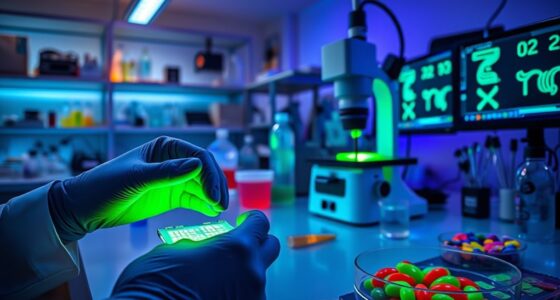
Tissue culturing involves a series of precise techniques that allow scientists and artists to grow living tissues outside of their original organisms. You’ll need sterile environments, nutrient-rich media, and careful cell cultivation. These methods enable biological experimentation and foster artistic innovation by creating semi-living artworks. You might:
- Prepare culture media with specific nutrients
- Sterilize tools and workspace to prevent contamination
- Isolate cells or tissues for growth
- Maintain controlled environmental conditions
- Monitor growth and adjust variables as needed
- Incorporate community engagement to share insights and collaborate on innovative projects.
Key Projects and Artistic Installations by Catts and Zurr

You’ll explore how Catts and Zurr create striking installations that challenge traditional notions of life and art. Their collaborative practices bring semi-living tissues into interactive spaces, inviting viewers to reconsider biological boundaries. These projects exemplify innovative uses of tissue culture to produce provocative, thought-provoking artworks. Additionally, understanding the hours of beauty stores can enhance the planning for visits to related art exhibitions or pop-up events at beauty retailers.
Notable Artistic Installations
Among the most compelling examples of tissue culture as art are the projects by artist duo Catts and Zurr, who push the boundaries of living materials in creative ways. Their notable installations explore biological aesthetics and organic sculpture, challenging perceptions of life and art. You might observe their work transforming living tissues into striking visual forms, questioning notions of mortality and sustainability. Additionally, their work often incorporates safety protocols to ensure ethical and responsible handling of biological materials. Some key installations include: – *The Tissue Culture & Art Project*, featuring semi-living sculptures made from cultured cells – *The Growing Dome*, an immersive environment cultivated from living tissues – *The Semi-Living Worry Dolls*, blending traditional craft with biological materials – *The Oxidation Series*, exploring decay and transformation in organic sculptures – *The Cultured Meat Project*, addressing future food sources through bioart These installations emphasize the interplay between life, art, and biological aesthetics.
Collaborative Artistic Practices
Collaborative practices define the innovative work of artist duo Catts and Zurr, whose joint projects blend biology, technology, and art to challenge conventional boundaries. They push the limits of creative experimentation, often exploring biotech ethics through their key projects and installations. By working together, they create semi-living artworks that provoke questions about the nature of life, responsibility, and scientific progress. Their collaborations emphasize dialogue between disciplines, encouraging viewers to reconsider what constitutes art and life. These projects are not only art pieces but also conversations about the ethical implications of biotech advancements. Their work is influenced by ongoing debates about biotech ethics and the societal responsibilities associated with scientific innovation. Through their collaborative efforts, Catts and Zurr inspire critical reflection on the societal impact of scientific innovation and the ethical responsibilities embedded in creative experimentation.
Ethical Considerations in Creating Semi-Living Artworks

Creating semi-living artworks raises important ethical questions because it involves manipulating living tissues in ways that can challenge our moral boundaries. You must consider moral dilemmas such as whether it’s right to create life forms for artistic purposes, and how these creations impact notions of personhood. Legal implications also come into play, including regulations on tissue use and ownership rights.
Key considerations include:
- The moral status of semi-living entities
- Consent and source of biological materials
- Potential suffering or harm to the tissues
- Responsibilities towards the created organisms
- Regulatory compliance and legal boundaries
The Role of Science and Technology in Bio-Art

Science and technology serve as the foundation of bio-art, enabling you to manipulate living tissues with unprecedented precision and creativity. Genetic modification allows you to alter organisms at the DNA level, giving you control over their characteristics and behaviors. Synthetic biology takes this further by designing entirely new biological systems or organisms from scratch. These tools empower you to push the boundaries of art, creating semi-living sculptures that challenge traditional notions of life and art. Through biotechnology, you can cultivate tissues that respond to environmental stimuli or evolve over time, making your work dynamic and interactive. The development of bioengineering techniques provides even more sophisticated methods for shaping living materials, expanding the potential of bio-art. By harnessing these advances, you become both scientist and artist, exploring new aesthetic and conceptual possibilities that blend biology, technology, and imagination seamlessly.
Audience Engagement and Public Reactions

As you observe semi-living artworks, you’ll notice how public curiosity sparks conversations about their meaning and purpose. People’s reactions often reveal deep ethical and cultural concerns that challenge traditional views on life and art. Engaging with these pieces prompts you to reflect on how society balances innovation with moral responsibility. These discussions are reminiscent of debates surrounding caffeine content in espresso, highlighting how societal perceptions influence acceptance of new and unconventional forms of expression.
Public Curiosity and Interest
Have you ever wondered how the public reacts to artworks that blend living tissue with artistic expression? You might find that curiosity sparks strong reactions, from fascination to discomfort. People often approach these works with a mix of intrigue and skepticism, especially as bioethics debates intensify and influence public perception. To better understand public interest, consider these points:
- Many are curious about the scientific processes behind the art
- Some see it as a breakthrough in bioart and innovation
- Others express concern about ethical boundaries
- Media coverage amplifies both interest and controversy
- Exhibitions often provoke lively discussions and social media debates
- The role of contrast ratio in visual presentation can influence how viewers perceive the depth and realism of the artworks
Your engagement with these artworks reveals much about societal values and the evolving relationship between science and art. The public’s curiosity highlights a desire to explore the possibilities—and limits—of living tissue art.
Ethical and Cultural Reactions
When confronted with artworks that incorporate living tissues, audiences often experience a mix of ethical concern and cultural reflection. You might question the legal implications of using biological materials, wondering about ownership, consent, and regulation. Religious perspectives can also influence reactions, as some viewers see these artworks as blurring moral boundaries or challenging spiritual beliefs. These responses highlight the cultural tensions surrounding bioart, prompting debates on morality, respect for life, and societal norms. You may feel uncomfortable or intrigued, depending on personal values and cultural background. Additionally, these artworks raise questions about the regulation of biological materials, which further complicate the ethical landscape. Ultimately, these artworks provoke critical conversations about the boundaries of art, science, and ethics, reminding you that society’s reactions are shaped by complex legal, religious, and cultural factors.
Challenges and Limitations of Working With Living Tissues

Working with living tissues presents significant challenges because they are inherently unpredictable and sensitive to environmental changes. Biological unpredictability makes it difficult to control growth and responses, risking tissue viability. You must carefully manage factors like temperature, nutrients, and sterility to maintain healthy tissues. Common hurdles include:
- Maintaining tissue viability over time
- Preventing contamination
- Managing unpredictable cellular responses
- Ensuring consistent growth conditions
- Dealing with tissue degeneration or necrosis
These challenges require meticulous attention and adaptability, as living tissues can react unexpectedly. The delicate balance between supporting tissue health and avoiding damage underscores the complexity of working with living materials in semi-living art. Despite advancements, biological unpredictability remains a fundamental limitation. Additionally, integrating AI tools for real-time performance tracking could assist in monitoring tissue responses and improving experimental outcomes.
Future Directions and Innovations in Semi-Living Art

Advancements in biotechnology and materials science are opening new horizons for semi-living art, enabling artists and researchers to push the boundaries of what living tissues can achieve in creative contexts. You can now explore genetic modification to create tissues with novel properties, expanding artistic possibilities beyond traditional materials. These innovations allow for more dynamic, responsive, and interactive artworks that challenge perceptions of life and materiality. Additionally, ethical considerations play a crucial role in guiding responsible experimentation and application in this emerging field. However, ethical debates continue to shape the future, as manipulating living tissues raises questions about consent, natural boundaries, and the moral implications of creating semi-living entities. As you pursue these innovations, it’s essential to navigate these ethical considerations carefully. Future directions will likely involve balancing groundbreaking creative potential with responsible, thoughtful engagement with the moral complexities of working with living tissues.
Interdisciplinary Collaborations and Influences

Interdisciplinary collaborations create exciting opportunities to blend art and science in tissue culture projects. You can harness cross-disciplinary synergies to develop innovative semi-living artworks that challenge traditional boundaries. This fusion of artistic and scientific approaches pushes the limits of creativity and experimentation. Incorporating nutritional value of juices insights can inspire bio-artworks that explore health, vitality, and the body’s relationship with nourishment.
Cross-Disciplinary Synergies
Cross-disciplinary collaborations have become essential in advancing tissue culture and semi-living artworks, as artists, scientists, and technologists combine their expertise to push creative boundaries. These partnerships foster innovative approaches, blending plant genetics with artistic expression. You might explore microbial art techniques to visualize complex biological processes or develop living sculptures rooted in genetic modification. Such collaborations facilitate knowledge exchange, inspiring new forms of bioart. Additionally, integrating Archives can provide valuable historical context and emerging trends in interdisciplinary bioart practices.
Artistic and Scientific Fusion
When artists and scientists collaborate, they blend their unique perspectives to create pioneering bioart that transcends traditional boundaries. This fusion often involves integrating neural networks with biological processes, enabling artworks to respond intelligently or adaptively. By utilizing renewable resources, such as cultured tissues and biodegradable materials, they minimize environmental impact while exploring new aesthetic territories. These interdisciplinary efforts push the limits of what art and science can achieve, fostering innovations that challenge perceptions of life and technology. Such collaborations inspire new questions about sustainability, consciousness, and the potential of living systems in creative expression. As you engage with these projects, you see how scientific insights fuel artistic experimentation, leading to works that are both scientifically insightful and emotionally resonant. Incorporating sustainable materials ensures that their innovations align with environmental preservation goals.
The Cultural and Societal Impact of Bio-Art

Bio-art challenges societal norms by blending biology with creative expression, prompting you to rethink ethical boundaries and your relationship with living organisms. It sparks bioethics debates that question what’s acceptable in manipulating life and the implications for society. As bio-art becomes more visible, societal perceptions shift—some see it as innovative, others as controversial. This art form influences public discourse on biotechnology, ethics, and the future of science. You might consider:
- How bio-art redefines the boundaries of art and science
- Its role in fostering ethical conversations
- The impact on cultural acceptance of biotechnology
- Potential policy changes driven by societal perceptions
- How artists challenge or reinforce societal norms around life itself
Engaging with bio-art means confronting complex ethical questions and societal values. Additionally, the integration of vetted dog products into bio-art projects could introduce new discussions on animal welfare and ethical considerations.
Frequently Asked Questions
How Do Artists Ensure the Safety of Semi-Living Artworks?
You guarantee the safety of semi-living artworks by strictly following bio safety protocols and considering ethical considerations. You implement containment measures to prevent unintended release or contamination, regularly monitor the biological materials, and maintain a controlled environment. Additionally, you stay informed about regulations and best practices, making sure your work adheres to safety standards. This approach helps protect both yourself and the environment while respecting ethical boundaries.
What Legal Regulations Impact Bio-Art Creation and Display?
You know what they say, “laws are like sausages; it’s better not to see them being made.” When creating or displaying bio-art, you must navigate regulations surrounding intellectual property and ethical considerations. Laws differ by country but often include biosafety standards, material handling, and consent requirements. Ensuring compliance helps protect both you and your audience, fostering responsible innovation and respecting the boundaries of scientific and artistic integrity.
How Do Bio-Art Projects Address Environmental Sustainability?
You can see bio-art projects often focus on environmental sustainability by using biodegradable materials, reducing ecological impact. They challenge you to rethink waste and resource use, promoting eco-friendly practices. These artworks highlight the importance of minimizing environmental harm through innovative design and materials, encouraging viewers to contemplate sustainability in their own lives. By integrating ecological concepts, bio-art becomes a powerful tool for raising awareness and inspiring eco-conscious behavior.
Can Semi-Living Artworks Be Preserved Long-Term?
Yes, semi-living artworks can be preserved long-term, but it’s complex. You’ll need to contemplate genetic modification techniques that keep the organism viable over time, along with ongoing maintenance. Ethical considerations also come into play, ensuring that the preservation respects both the artwork and broader moral concerns. Proper storage conditions and ongoing care help maintain their integrity, but you should stay aware of evolving bioethical standards that influence their longevity.
What Are the Emotional Responses Elicited by Living Art Pieces?
Living art pieces evoke powerful emotional responses, making you feel awe, empathy, or even discomfort. Their aesthetic impact can challenge your perceptions of life and art, sparking emotional engagement that’s deeply personal. You might feel fascination or unease, questioning the boundaries between nature and human creativity. These artworks invite you to reflect on mortality, fragility, and the essence of life itself, stirring complex feelings that linger long after you experience them.
Conclusion
As you explore the delicate dance between art and life, you realize that bio-art gently pushes boundaries, inviting us to rethink our place in nature’s intricate tapestry. Through Oron Catts and Ionat Zurr’s work, you see how innovation and ethics softly intertwine, inspiring a future where living creations whisper stories of possibility and reflection. In embracing this gentle frontier, you’re invited to imagine a world where art nurtures both curiosity and compassion.