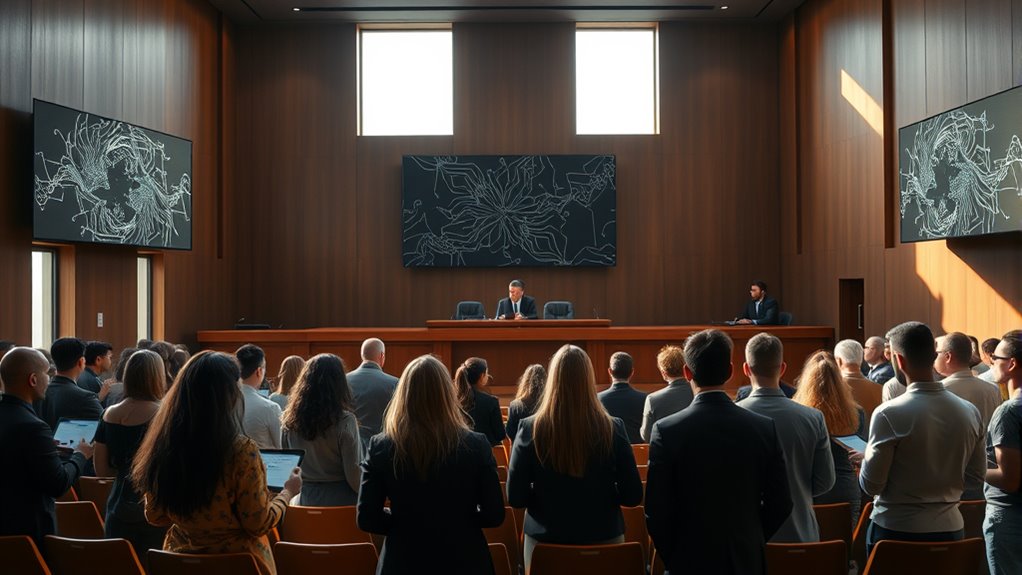
As an artist, your rights face new challenges with AI’s ability to analyze, learn from, or generate work based on existing creations. Legal questions about whether AI’s use infringes on your copyright or qualifies as fair use are unsettled, and court decisions are still emerging. Protecting your work requires understanding current laws, considering clear licensing, and staying engaged in ongoing policy debates. Continue exploring to discover how legal changes could impact your creative freedom.

Get the latest gadgets delivered free with Prime
- Fast, free delivery on millions of items
- Prime Video, Amazon Music and more included
- Member-only deals all year
Key Takeaways
- AI training on copyrighted works raises legal questions about infringement and fair use, often leaving artists uncertain of their rights.
- Posting online does not automatically grant others rights to reuse or modify artists’ work, especially in AI contexts.
- Courts are still evaluating how existing IP laws apply to AI-generated content and training practices.
- Artists can protect their rights by using explicit licenses, digital rights management, and staying informed on legal developments.
- Active participation in policy discussions is crucial to shape fair regulations and ensure artists’ interests are protected in AI advancements.
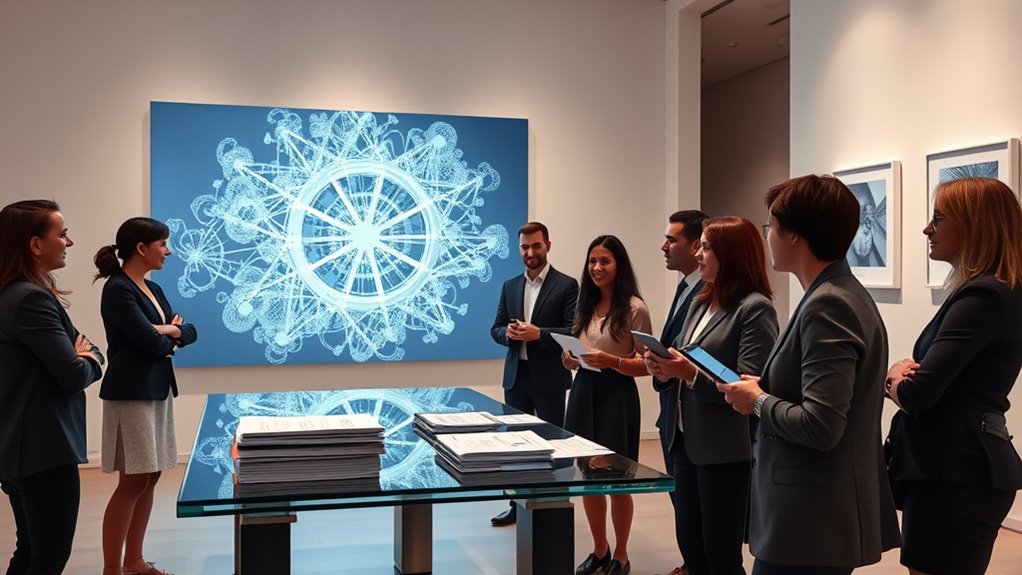
As artificial intelligence continues to reshape the creative landscape, artists face new challenges in protecting their rights. One of the most pressing issues is how AI intersects with Intellectual Property laws. Your original works, whether they’re paintings, music, or written content, are protected under copyright law, which grants you exclusive rights to reproduce, distribute, and display your creations. However, when AI tools analyze, learn from, or generate content based on existing works, questions arise about whether those uses infringe on your rights. If an AI system trains on your artwork without permission, it could be viewed as a violation of your Intellectual Property. Conversely, some argue that AI’s use of existing works might qualify under Fair Use, especially when the AI-generated content is transformative or used for commentary, criticism, or education. Yet, fair use is a complex, context-dependent doctrine, and its application to AI-related cases remains uncertain. This ambiguity leaves you in a precarious position—your rights might be compromised if your work is used without authorization, or you might find it difficult to challenge AI-generated content that resembles your original pieces.
Navigating these issues requires understanding both your rights and the limits of current legal protections. You need to be aware that simply having your work online doesn’t automatically grant others the right to reuse or adapt it freely. When AI models incorporate your work, it crosses into a gray area where copyright law struggles to keep pace with technological advancements. Some legal experts argue that using copyrighted works for training AI could be seen as fair use if it’s non-commercial or transformative, but this isn’t a guarantee. Courts are still deciding how to handle cases involving AI and intellectual property, and the outcomes could profoundly impact your rights. That’s why staying informed and actively participating in policy discussions is crucial. You should also consider licensing your work explicitly for AI training or using digital rights management tools to protect your creations.
In essence, the evolving landscape of AI challenges traditional notions of Intellectual Property and Fair Use. As an artist, you need to proactively understand your legal rights, monitor how your work is being used, and be prepared to advocate for fair treatment. While the law is still catching up, your awareness and engagement can influence future regulations, ensuring your creative efforts are protected in this new digital age.
digital rights management software for artists
As an affiliate, we earn on qualifying purchases.
As an affiliate, we earn on qualifying purchases.
Frequently Asked Questions
How Can Artists Protect Their Work From Ai-Generated Infringements?
You can protect your work from AI-generated infringements by using digital watermarking to embed your ownership details visibly or secretly. Additionally, secure your rights through artistic licensing agreements that specify how your work can be used. These steps help establish clear legal boundaries, making it easier to enforce your rights if infringement occurs. Stay proactive and document your rights to strengthen your position against unauthorized AI use.
What Legal Measures Exist to Regulate Ai’s Use of Copyrighted Art?
Think of the legal landscape as a sturdy bridge over a turbulent river. You can rely on existing legal frameworks like copyright laws and intellectual property rights, which aim to regulate AI’s use of copyrighted art. These laws help protect artists by outlining infringement boundaries and establishing licensing standards. While not foolproof, they serve as essential tools for safeguarding your creative work against unauthorized AI replication.
Can Artists Claim Ownership of Ai-Created Artworks?
You can’t easily claim ownership of AI-created artworks because current laws focus on original authorship by humans. However, if you contributed markedly to the creative process, you might hold moral rights, protecting your connection to the work. Laws are evolving, but generally, AI-generated art lacks clear legal ownership unless a human’s original input or creative intent is evident, emphasizing the importance of human involvement for rights claims.
How Does International Law Address AI and Artists’ Rights?
Think of international law as a vast net catching creative rights across borders. It struggles to keep up with AI-driven art, leaving gaps in global copyright and intellectual property protections. While some treaties aim to safeguard artists’ rights, enforcement varies, and AI’s rapid evolution challenges existing frameworks. You must stay informed, because your rights as an artist depend on understanding how these laws adapt to AI’s influence worldwide.
What Are the Ethical Considerations in Ai-Assisted Art Creation?
You should consider the ethical implications of AI-assisted art, as it raises questions about creative authenticity and originality. Using AI tools might challenge traditional notions of authorship, making you reflect on whether the art truly reflects your vision or if it’s shaped by algorithms. Ensuring transparency about AI’s role and respecting human creativity helps maintain integrity, encouraging responsible use of technology in your artistic process.
copyright license templates for artists
As an affiliate, we earn on qualifying purchases.
As an affiliate, we earn on qualifying purchases.
Conclusion
As you navigate this evolving landscape, remember that your creative spark is the lighthouse guiding future innovation. AI may be the storm, but your rights are the anchor that keeps your artistry grounded. Protecting your work isn’t just about legal safeguards; it’s about safeguarding your identity and voice amidst chaos. Embrace the challenge, knowing that your originality shines like a beacon—a symbol of resilience and the enduring power of human creativity in the digital age.
As an affiliate, we earn on qualifying purchases.
As an affiliate, we earn on qualifying purchases.
Halloween Picks
halloween
As an affiliate, we earn on qualifying purchases.