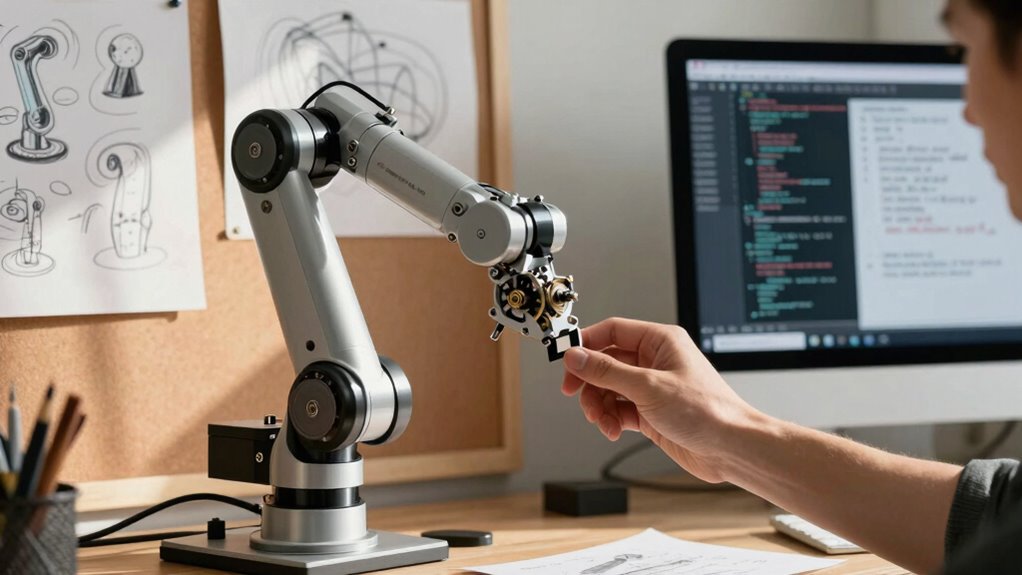

You protect your artistic intent by actively controlling automation tools, setting clear boundaries, and making manual adjustments to guarantee your vision remains clear. Transparency is key—you document your workflow and distinguish your input from machine-generated results. Stay aware of the training data’s influence and consider ethical implications to avoid bias. By embracing collaboration and keeping up with evolving standards, you can assure your work reflects your core message. Keep exploring to learn more about safeguarding your creative process.

Get the latest gadgets delivered free — and shop member deals
- Fast, free delivery on millions of items
- Access to Prime Big Deal Days deals on October 6–7
- Prime Video, Amazon Music and more included
Key Takeaways
- Set clear boundaries and parameters within software to maintain control over style and ideas.
- Incorporate manual adjustments or overlays to ensure the work reflects personal artistic vision.
- Maintain a transparent workflow documenting decision-making and automation influence.
- Stay actively engaged in the creative process, balancing machine output with manual input.
- Stay informed about AI training data and biases to mitigate unintended influence on the work.
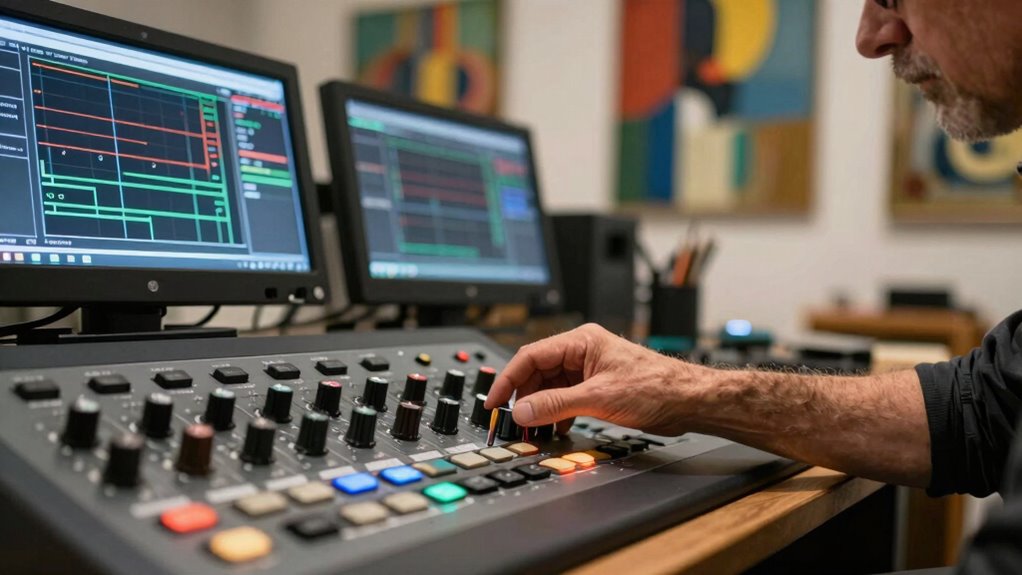
As automated systems become more sophisticated, they are increasingly transforming the way artists create and share their work. While these tools open up new possibilities for artistic expression, they also raise important questions about maintaining creative autonomy. You want your work to reflect your vision, your voice, your message—yet, when algorithms and machine learning play a role in the process, it can sometimes feel like your intent gets lost or diluted. Protecting your artistic intent means actively engaging with these systems rather than passively accepting their outputs. You might experiment with how much control you retain versus how much you let the machine influence your work. Setting clear boundaries or parameters within the software guarantees that your personal style and ideas remain central, rather than being overshadowed by the algorithm’s tendencies or biases. Additionally, understanding the training data used to develop these systems can help you anticipate and mitigate potential biases in the outputs. Recognizing the importance of ethical considerations in automation can guide you toward more responsible use of these tools. However, balancing creative autonomy with the ethical challenges that come from automation isn’t always straightforward. You need to be aware of how automated systems are trained, what data they’re fed, and how that influences the outputs. There’s a risk of inadvertently perpetuating biases, or of your work unintentionally reflecting values that contradict your own. To protect your intent, it’s paramount to scrutinize the tools you use, understand their limitations, and stay engaged in the decision-making process. This means not relying solely on the machine but actively directing its role in your creative process. Incorporating manual adjustments or overlays can further help preserve your unique perspective, making sure that the final piece isn’t just a product of algorithms but a true reflection of your artistic vision. A transparent workflow can help you maintain clarity about your contributions and the influence of automation. Embracing a collaborative approach with automated systems can help balance innovation with authenticity, ensuring your work remains true to your core message. Moreover, staying informed about ongoing developments in AI ethics can help you navigate potential risks and uphold your creative integrity in a rapidly evolving landscape.
artistic control automation software
As an affiliate, we earn on qualifying purchases.
As an affiliate, we earn on qualifying purchases.
Frequently Asked Questions
How Do Artists Ensure Their Creative Vision Isn’t Lost in Automation?
You can guarantee your creative vision isn’t lost by maintaining creative control over the automation process. By actively selecting tools, setting parameters, and guiding the AI, you preserve your artistic authenticity. Regularly reviewing and adjusting the output helps keep your work aligned with your original intent. Staying engaged with your project allows you to infuse personal touches, ensuring your unique perspective remains front and center, even within automated systems.
What Legal Protections Exist for Artist Intent in Automated Artworks?
Did you know that over 60% of artists believe their moral rights are at risk with automated art? Legally, you can protect your intent through intellectual property laws, like copyrights, which safeguard your original work. Additionally, moral rights help preserve your personal connection to the art, ensuring your vision isn’t misrepresented. However, enforcement varies globally, so staying informed and considering legal counsel is essential to secure your creative intent.
Can Artists Modify Automated Systems to Better Reflect Their Unique Style?
Yes, you can modify automated systems to better reflect your unique style through machine customization. By adjusting parameters and training data, you guarantee the system aligns with your artistic vision. Additionally, focusing on algorithm transparency allows you to understand how the system generates art, giving you greater control. These practices help you preserve your intentionality, making the automated output more true to your creative voice.
How Do Artists Address Ethical Concerns With Automation Overriding Human Input?
You navigate the digital storm by anchoring your work in ethical principles, like algorithm transparency and consent frameworks. Think of these tools as your moral compass, guiding you through uncharted waters where automation might drown out your human voice. By advocating for clear transparency and respecting consent, you guarantee your art remains rooted in integrity, safeguarding your intentionality from being lost in the whirl of automation’s vast, impersonal ocean.
What Role Does Audience Feedback Play in Maintaining Artist Intent?
Audience feedback plays a vital role in maintaining your artistic intent by shaping how your work resonates. You actively seek audience influence through feedback integration, allowing you to adjust elements that may stray from your original vision. This ongoing dialogue helps guarantee your work stays true to your purpose, balancing automated processes with human insight. Embracing audience input keeps your art authentic, relevant, and aligned with your creative goals.
manual adjustment digital art tools
As an affiliate, we earn on qualifying purchases.
As an affiliate, we earn on qualifying purchases.
Conclusion
You hold the brush, even in a world of algorithms. Like a painter guiding a restless brushstroke, you steer automated tools to safeguard your vision. Remember the artist who used AI to blend tradition with innovation, creating works that echo both past and future. Just as a lighthouse guides ships through fog, your intentionality ensures your art shines brightly amidst automation’s haze. Keep guiding your tools, and let your unique voice illuminate the canvas.
workflow documentation art software
As an affiliate, we earn on qualifying purchases.
As an affiliate, we earn on qualifying purchases.
AI bias mitigation tools for artists
As an affiliate, we earn on qualifying purchases.
As an affiliate, we earn on qualifying purchases.
Fall Picks
fall essentials
As an affiliate, we earn on qualifying purchases.