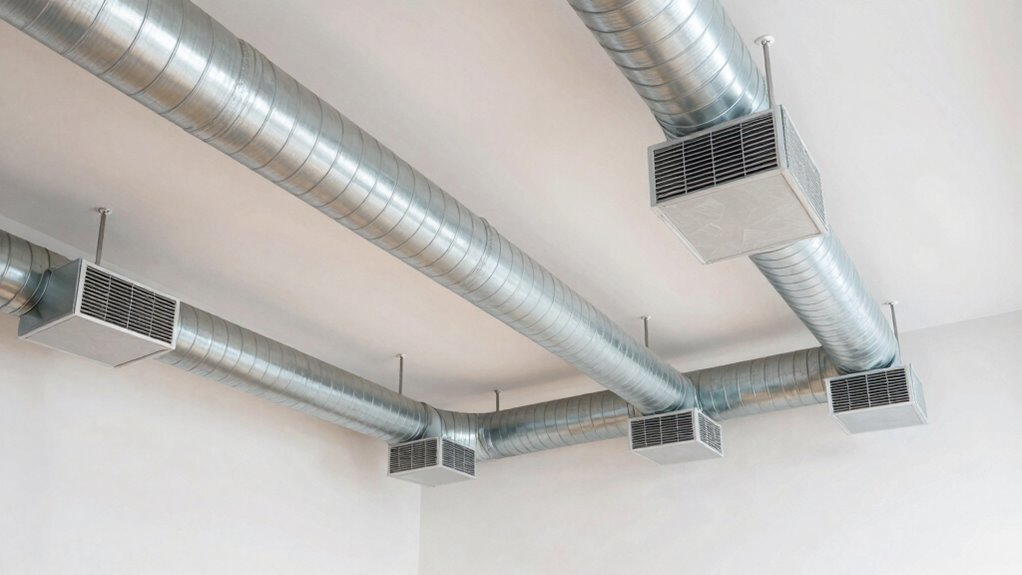
To keep your studio safer without stifling creativity, install a ventilation system that combines strategic airflow with high-quality filters like HEPA and activated carbon. Place vents and exhausts thoughtfully to prevent stale air pockets and guarantee fresh air reaches all zones. Use sensors to monitor air quality and adjust airflow as needed. A well-designed setup maintains a healthy environment while supporting your creative flow—discover more ways to optimize your studio’s ventilation.
Key Takeaways
- Implement strategic airflow with adjustable vents to ensure fresh air without disrupting creative workspaces.
- Use high-quality HEPA and activated carbon filters to remove pollutants and odors silently.
- Install sensors to monitor air quality and adjust ventilation dynamically, maintaining safety and comfort.
- Position intake and exhaust vents to prevent stagnant air and promote uniform airflow throughout the studio.
- Regularly maintain and optimize the system to balance air exchange, ensuring a healthy environment that fosters creativity.

Creating a safe and healthy studio environment begins with an effective ventilation setup. When you focus on proper air filtration and airflow optimization, you create a space that promotes both safety and creativity. Good ventilation isn’t just about replacing stale air; it’s about actively removing airborne contaminants, controlling humidity, and ensuring a consistent flow of fresh air. By prioritizing air filtration, you can markedly reduce dust, allergens, and potential airborne pathogens that might compromise your health or the quality of your work. HEPA filters or activated carbon filters are excellent options because they trap tiny particles and neutralize odors, allowing you to breathe easier and stay focused.
Effective ventilation actively removes airborne contaminants and improves air quality for a healthier, more creative studio environment.
Airflow optimization involves more than just installing a few fans or vents. It requires a strategic approach to ensure that air moves smoothly throughout your studio without creating turbulence or dead zones. Proper placement of vents, exhaust fans, and intake vents helps prevent stagnant air pockets and ensures a uniform distribution of fresh air. You should consider the size of your space and the type of activities you perform to determine the ideal airflow rate. For example, a larger studio with multiple work zones needs a more robust ventilation system to maintain consistent air quality everywhere. Adjustable vents and exhaust systems give you control over airflow direction and volume, allowing you to adapt to changing needs or different projects. Additionally, understanding air quality metrics can help you make informed adjustments to your system.
Keeping airflow optimized also means monitoring your environment regularly. Use air quality sensors to track levels of CO2, humidity, and particulate matter. If you notice increased dust or odors, you can respond by increasing filtration or adjusting vents. Remember, airflow isn’t just about pushing air in; it’s about creating a balanced exchange—bringing in fresh air while exhaustively removing stale, contaminated air. This balance prevents the buildup of pollutants and minimizes the risk of mold or mustiness, which can otherwise affect both your health and your equipment.
Incorporating good air filtration and airflow optimization into your studio setup doesn’t have to be complicated or intrusive. The right system should operate quietly, seamlessly, and without interrupting your workflow. When you invest in a well-designed ventilation setup, you ensure a safer environment that supports your health, boosts productivity, and keeps your creative energy flowing freely. Ultimately, a ventilated studio isn’t just a healthier space—it’s a smarter one, enabling you to focus on your craft without worrying about the air you breathe.

MOOKA Air Purifiers for Home Large Room up to 1076ft², H13 True HEPA Air Filter Cleaner, Odor Eliminator, Remove Smoke Dust Pollen Pet Dander, Night Light, B-D02L White
- Large Coverage Area: Covers up to 1076 ft² with 6 air changes/hour
- High-Efficiency Filtration: Captures pet hair, dander, smoke, odors, dust
- True HEPA Filter: Removes airborne particles as small as 0.3 microns
As an affiliate, we earn on qualifying purchases.
As an affiliate, we earn on qualifying purchases.
Frequently Asked Questions
How Often Should Ventilation Filters Be Replaced?
You should replace your ventilation filters every 3 to 6 months for proper air filter maintenance. Regular replacements ensure your ventilation system runs efficiently and keeps indoor air clean. Consider upgrading your ventilation system if you notice reduced airflow or persistent odors. Staying on top of filter changes and system upgrades helps maintain a safe, creative studio environment, preventing airborne contaminants and promoting healthier airflow for everyone inside.
Can Portable Air Purifiers Improve Studio Safety?
You should definitely consider portable air purifiers, as studies show they can reduce airborne contaminants by up to 99%. They come in various air purifier types, making it easy to find a cost-effective solution tailored to your studio’s needs. These devices improve safety by filtering dust, allergens, and microbes, creating a healthier environment without disrupting your creative flow. Investing in a quality purifier is a smart move for safer, cleaner studios.
What Is the Ideal Airflow Rate for Studios?
You should aim for an airflow rate of about 6 to 12 air exchanges per hour in your studio. This ensures proper air exchange, reducing airborne contaminants effectively. Focus on creating ideal airflow patterns that promote even distribution, avoiding dead zones and drafts. Proper ventilation balances safety and creativity, keeping your workspace fresh and comfortable without disrupting your workflow. Regularly monitor and adjust the airflow to maintain excellent conditions.
Are There Specific Ventilation Standards for Creative Spaces?
Yes, there are specific ventilation standards for creative spaces. You should focus on maintaining good air quality through regular air quality monitoring and implementing natural ventilation strategies like open windows and vents. These methods help keep fresh air circulating without disrupting your workflow. Ensuring proper airflow not only improves safety but also boosts creativity by creating a comfortable environment. Regularly check air quality, and adjust natural ventilation as needed for ideal results.
How Does Ventilation Impact Acoustic Quality?
You might notice that good airflow optimization enhances acoustic quality by reducing unwanted noise and echo, creating a more balanced sound environment. Proper ventilation helps minimize moisture and airborne particles, preventing sound distortions caused by humidity or dust. Acoustic dampening materials work better when airflow is optimized, ensuring sound remains clear and controlled. So, effective ventilation directly influences how well your studio manages sound, boosting both creativity and comfort.
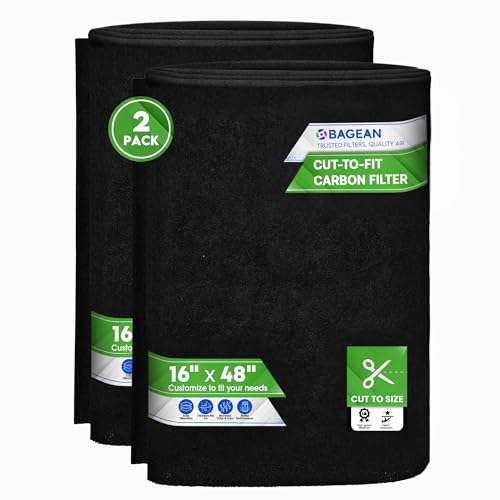
Bagean Cut to Fit Activated Carbon Filter Sheet 16” x 48” Carbon Air Filter
- Freshens Air by Removing Odors: Removes odors for a clean environment
- Highly Absorbent Coconut Shell Carbon: Ensures top odor absorption and air quality
- Enhanced Odor Elimination: Extra carbon for superior odor removal
As an affiliate, we earn on qualifying purchases.
As an affiliate, we earn on qualifying purchases.
Conclusion
Think of your studio as a delicate garden, where every gust of fresh air is like sunlight nurturing your creativity. A proper ventilation system acts as the gentle guardian, clearing out the shadows of fumes and stagnation. By maintaining this balance, you keep your space vibrant and alive, allowing inspiration to flourish without compromise. With each inhalation, you’re nurturing your passion—making your studio not just a workspace, but a sanctuary where creativity can truly thrive.

iLIVING 12" Wall Mounted Shutter Exhaust Fan, Automatic Shutter, with Thermostat and Variable Speed controller, 0.6A, 960 CFM, 1400 SQF Coverage Area Silver (ILG8SF12V-ST)
- High Airflow Capacity: 960 CFM for large areas
- Automatic Shutter System: Ensures secure ventilation
- Variable Speed Control: Adjust airflow as needed
As an affiliate, we earn on qualifying purchases.
As an affiliate, we earn on qualifying purchases.

8-in-1 Indoor Air Quality Monitor, Portable Tester for Temperature, Humidity, HCHO, TVOC, Smart Sensor for Grow Tents, Bedroom, Home
- 8-in-1 Air Quality Monitoring: Tracks CO2, AQI, temperature, humidity, HCHO, TVOC
- High-Precision Sensors: Provides fast, accurate air quality readings
- Long-Lasting Battery: Up to 72 hours on a single charge
As an affiliate, we earn on qualifying purchases.
As an affiliate, we earn on qualifying purchases.