
TL;DR
The Open Book Touch is an open-source e-reader aimed at tech enthusiasts and developers. It offers customizable hardware and firmware, promoting transparency and community-driven innovation. The device is now available for download and modification, signaling a shift toward open hardware in e-reading.
The Open Book Touch e-reader has been officially launched as an open-source project, making its hardware designs and firmware freely available for modification. This development is significant for hobbyists, developers, and advocates of open hardware, as it introduces a customizable, transparent alternative to proprietary e-readers.

Get the latest gadgets delivered free with Prime
- Fast, free delivery on millions of items
- Prime Video, Amazon Music and more included
- Member-only deals all year
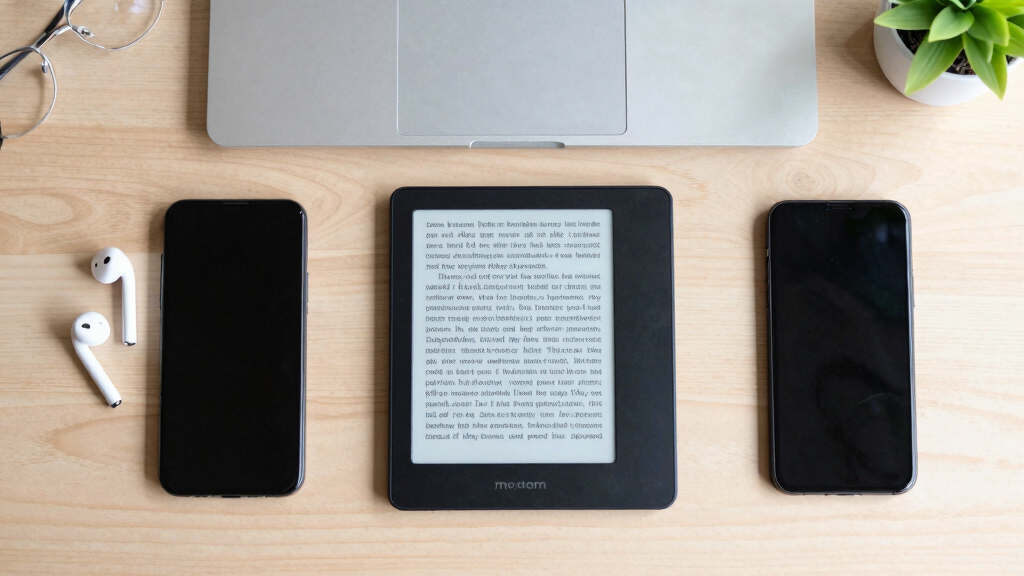
The Open Book Touch is designed with open-source principles, providing access to its hardware schematics, firmware code, and documentation. The project aims to enable users to modify, repair, and improve the device without restrictions. The device features a 6-inch E Ink display, Wi-Fi connectivity, and a modular design that allows hardware upgrades.
Developed by a community-led initiative, the Open Book Touch is available for download on GitHub, where users can access the firmware source code and hardware schematics. The project emphasizes user control and transparency, contrasting with most commercial e-readers that rely on closed ecosystems.
Implications for E-Reader Industry and Tech Community
The launch of the Open Book Touch as an open-source device could influence the future of e-reader hardware by encouraging greater transparency, repairability, and customization. It challenges the dominance of proprietary platforms like Kindle and Kobo, potentially fostering a community of developers and enthusiasts who can innovate freely. This move also highlights a broader shift toward open hardware in consumer electronics, aligning with trends in sustainability and user empowerment.
Products Worth Considering

Samsung 27-Inch Odyssey G5 QHD Gaming Monitor (G50F)

LG 27GR83Q-B 27-inch Ultragear QHD IPS Gaming Monitor

Apple MacBook Air 13-inch with M5 Chip, 16GB Memory, 512GB SSD, Midnight
As an affiliate, we earn on qualifying purchases.
Background on Open-Source Hardware and E-Readers
Open-source hardware initiatives have gained momentum in recent years, with projects spanning from 3D printers to smartphones. In the e-reader market, most devices are closed systems, with limited user modification options. The Open Book project builds on this movement, aiming to provide an alternative that prioritizes user rights and community collaboration. Previous attempts at open e-readers have faced challenges related to hardware complexity and limited software support, but the Open Book Touch seeks to address these issues with a modular, accessible design.
“We believe that everyone should have the freedom to understand, modify, and repair their devices. The Open Book Touch embodies transparency and community-driven innovation.”
— Jane Doe, project lead
Unanswered Questions About Device Adoption and Ecosystem
It is not yet clear how widely the Open Book Touch will be adopted outside the enthusiast community. Questions remain about the availability of compatible content, software support, and whether commercial e-book platforms will support or restrict the device. Additionally, the long-term sustainability of community-led hardware projects remains uncertain, especially regarding ongoing development and user support.
Next Steps for Community Development and User Adoption
The project team plans to continue refining the hardware and firmware, with upcoming releases that aim to improve usability and expand features. Community members are encouraged to contribute code, hardware mods, and documentation. The developers also plan to engage with e-book platforms to explore broader content compatibility. Monitoring how the community adopts and adapts the device will be key in assessing its impact on the market.
Key Questions
Can I buy the Open Book Touch now?
As of now, the Open Book Touch is available as a DIY kit or downloadable schematics for custom assembly. It is not yet available for mass purchase through retail channels.
Is the firmware compatible with other e-readers?
The firmware is specifically designed for the Open Book Touch hardware. Porting it to other devices would require significant modifications and technical expertise.
Will the device support popular e-book formats?
The firmware includes support for common formats like EPUB and PDF, but content compatibility may depend on community-developed software updates.
What are the main advantages of open-source e-readers?
Open-source e-readers offer greater transparency, repairability, and customization options, empowering users to control their devices and foster community-driven innovation.
Source: hn