
📊 Full opportunity report: How AI Check-Ins May Support Families Caring From Afar on IdeaNavigator AI — validation score, market gap, and execution plan.

Get the latest gadgets delivered free with Prime
- Fast, free delivery on millions of items
- Prime Video, Amazon Music and more included
- Member-only deals all year
TL;DR
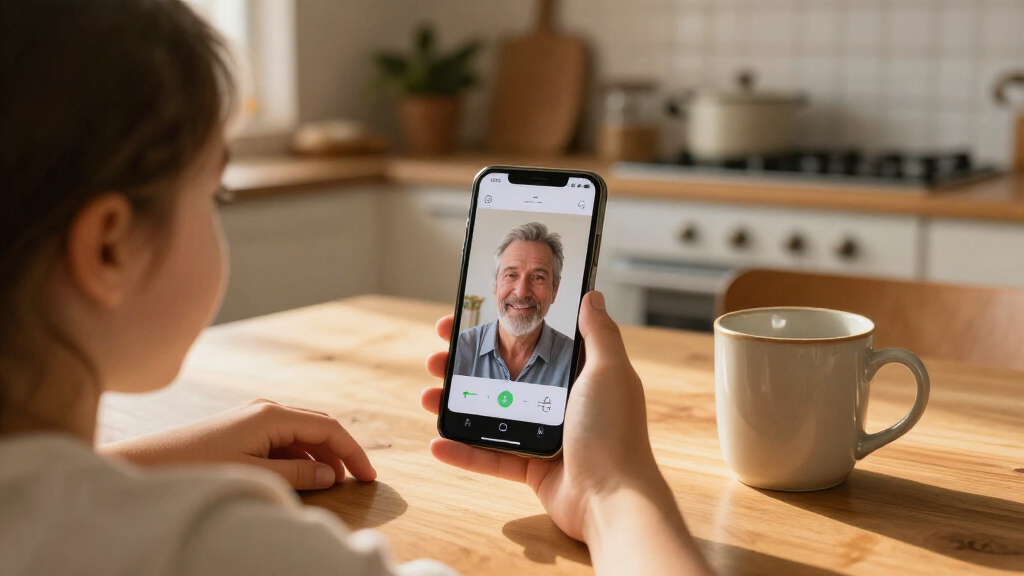
IdeaNavigator AI has outlined a proposed service in which an AI calls an independent older adult each day and sends a family member an all-clear or an alert. The proposal recommends testing the idea with 15 senior-and-family pairs for three weeks; no trial results or evidence of effectiveness are reported.
IdeaNavigator AI has proposed testing daily AI phone check-ins for independent older adults who live alone, with a text to a family member when a call is missed or raises concern. The proposal frames the service as a way for adult children in another city to receive a routine update, but does not report a launched product, completed trial or evidence that the calls detect emergencies.
The proposed service would place a scheduled daily call to a senior’s landline or mobile phone, ask a few basic wellness questions and send the adult child either an all-clear message or a notice that the call was missed or concerning. The family member, rather than the older adult, would pay a monthly subscription for each parent, according to the outline.
IdeaNavigator AI recommends an initial test involving 15 senior-and-adult-child pairs over three weeks. The suggested measures are whether seniors answer the calls and whether families consider the all-clear alerts valuable enough to pay for. The proposal does not provide a subscription price, define what counts as a concerning answer, or report that this test has taken place.
The idea is aimed at families who worry about a parent living alone but cannot call every day. Its stated concern is that a fall or a difficult day could go unnoticed for hours or longer without a routine check. The suggested call is a wellness check-in workflow; the proposal does not describe it as a medical service, emergency response system or replacement for in-person care.
A Routine Signal, Not Emergency Care
For families living at a distance, a daily call and a missed-call alert could offer a predictable signal that a parent has answered and taken part in a brief conversation. That may help relatives decide when to reach out themselves, particularly when work, travel or time zones make daily personal calls difficult. Whether families actually find that reassurance worth paying for is the central commercial question the proposed pilot is meant to test.
The limits matter as much as the potential benefit. An answered call cannot establish that someone is safe throughout the day, and a missed call does not by itself show that an emergency has occurred. The outline provides no details on how alerts would be reviewed or escalated, or how the service would work if a senior were unable to speak. Until those questions are answered, the concept is best understood as a possible communication aid rather than a safety guarantee.
The proposal also makes the older adult’s experience central to whether the service works. A call that feels intrusive, confusing or repetitive may go unanswered, while a natural and accessible interaction may make a regular check-in easier to accept. The suggested answer-rate measure can test participation, but by itself would not establish that the service improves health or prevents harm.
Products Worth Considering

LG UltraGear 32GX850A-B 32-Inch 4K UHD Glossy OLED Gaming Monitor

DJI Osmo Mobile 8 Phone Gimbal with Mic Mini Transmitter, Infinity Black

LG 34GX90SA-W 34-inch Ultragear WQHD OLED Curved Gaming Monitor
As an affiliate, we earn on qualifying purchases.
The Proposed Three-Week Pilot
IdeaNavigator AI presents the concept as a narrow initial use case for voice AI: brief, scheduled calls to independent seniors who live alone, with a family member receiving a simple status update. The outline says natural-sounding voice systems can now hold short calls over landlines or mobile phones and describes that as a reason to consider the service. It does not provide technical evidence, product specifications or comparative costs to substantiate that assessment.
The suggested pilot is framed as a way to test demand before building a subscription service. Fifteen pairs would use the calls for three weeks, with answer rates and families’ willingness to pay as the proposed indicators. Those measures could help show whether users engage with the calls and whether the paying customer sees value in the alerts. They would not, on their own, establish reliable emergency detection, clinical benefit or performance across a wider population.
Safety, Privacy and Reliability Questions
No pilot results are available in the proposal, so it is unknown how often older adults would answer, how many alerts families might receive, or whether recipients would be willing to pay. No price, rollout schedule or operating company is identified.
The outline also leaves practical safeguards unspecified: how the system would interpret answers, what would trigger a concern alert, how false alarms would be handled, and whether a missed call would prompt a repeat call or contact with another person. It does not explain consent procedures, data retention, protection of call recordings or transcripts, language and hearing accessibility, or how the service would respond to an urgent disclosure. These are unanswered design questions, not reported failures of an existing service.
Most importantly, the proposal does not establish that an AI check-in can identify a fall or confirm a person’s condition. A short phone conversation can provide a limited status signal; it cannot continuously monitor someone or guarantee that help will arrive. Any claims about safety outcomes would require evidence beyond the small engagement and willingness-to-pay test described.
Testing Engagement Before Expansion
The next step described by IdeaNavigator AI is a three-week pilot with 15 family pairs, tracking call answer rates and whether adult children value the all-clear alerts enough to pay. No dates, recruitment details or results have been announced in the proposal. If conducted, the test could provide an early indication of usability and demand, but its small size and short duration would limit what it could show about safety or health outcomes.
Before any broader service is considered, developers would also need to set out how the calls and alerts operate, what happens after a missed or concerning response, and how participants’ consent and personal information are handled. The proposal does not say whether such requirements have been developed. For now, the development is a product idea with a suggested validation plan, not a confirmed service available to families.
Source: IdeaNavigator AI
Key Questions
Has the AI check-in service launched?
No launch is reported. IdeaNavigator AI describes a proposed service and a pilot to test it; it does not identify an available product.
How would the proposed calls work?
The service would place a scheduled daily phone call, ask a few wellness questions and text an adult child an all-clear or a notice about a missed or concerning call.
Would the calls detect falls or summon help?
The proposal does not establish fall detection or describe an emergency-response system. A missed or concerning call is a limited alert, not confirmation that an emergency has occurred or that help has been dispatched.
What would the proposed pilot measure?
The suggested three-week test with 15 senior-and-family pairs would track call answer rates and whether families consider the alerts worth paying for. No results are reported.
Source: IdeaNavigator AI