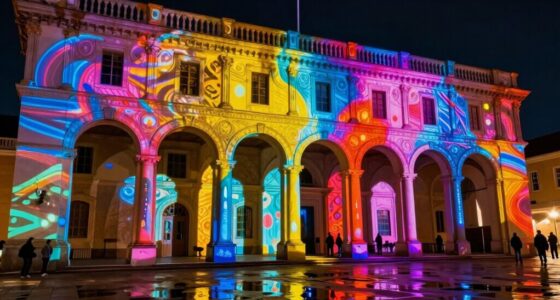
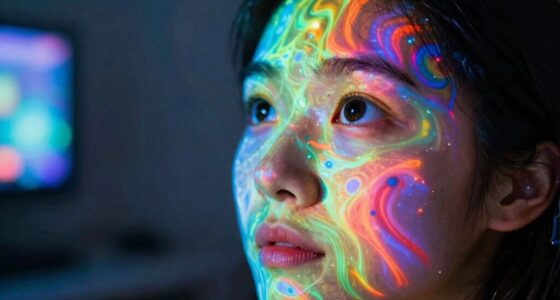
Multisensory design engages your audience’s visual, auditory, tactile, olfactory, and gustatory senses simultaneously, creating more powerful emotional connections and making experiences unforgettable. When multiple senses work together, they deepen emotional responses and strengthen memory retention, turning passive observation into active participation. By combining sensory cues thoughtfully, you help your audience form lasting impressions filled with feeling and meaning. To discover how you can craft these immersive experiences, keep exploring these innovative strategies.

Get the latest gadgets delivered free with Prime
- Fast, free delivery on millions of items
- Prime Video, Amazon Music and more included
- Member-only deals all year
Key Takeaways
- Multisensory design creates stronger emotional connections by engaging multiple senses simultaneously.
- Stimulating senses in harmony enhances memory retention and makes experiences more memorable.
- Sensory cues like scent and sound evoke emotional responses and personal associations.
- Thoughtful integration of visual, tactile, and auditory elements deepens audience engagement.
- Enhanced sensory experiences transform passive observation into active emotional participation.
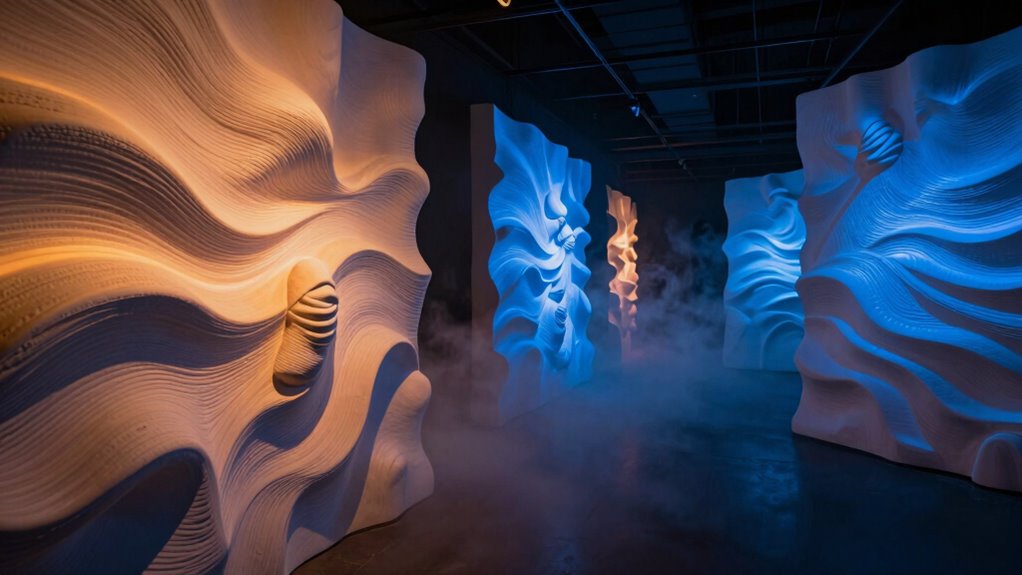
When you engage multiple senses in a design, you create a more immersive experience that can considerably boost audience memory. Sensory integration is the key here; it involves combining visual, auditory, tactile, olfactory, and even gustatory elements to craft a cohesive environment. When your audience encounters a multisensory setup, their brains work harder to process and connect these inputs, resulting in stronger neural pathways linked to that experience. This heightened sensory engagement doesn’t just make the moment memorable—it deepens emotional resonance as well. When senses are stimulated in harmony, they evoke emotions more powerfully, making the experience more impactful and meaningful.
Think about how a well-designed museum exhibit uses lighting, sounds, and textures to tell a story. When you walk through it, the combination of visual cues, subtle background music, and tactile objects creates an emotional atmosphere that sticks with you long after. This isn’t accidental; it’s deliberate sensory integration aimed at forging emotional connections. The more senses you activate simultaneously, the more intense and lasting those emotional responses become. For example, a scent that complements the visual theme of an exhibit can trigger nostalgia or curiosity, reinforcing the overall message. The brain links these sensory inputs with emotions, making the experience more personal and memorable.
Deliberate sensory integration creates lasting emotional connections and memorable experiences.
Your goal as a designer should be to craft environments that stimulate multiple senses in a balanced, purposeful way. When done right, this multisensory approach enhances not only recall but also emotional engagement. It’s about creating moments that resonate on a deeper level, encouraging your audience to feel connected to the content. By thoughtfully blending sensory cues, you can evoke feelings of excitement, calm, wonder, or nostalgia, depending on your intent. This emotional resonance makes the experience stick in their minds long after the event has ended. The stronger the emotional connection, the more likely they are to remember and share their experience.
Ultimately, multisensory design transforms passive observation into active participation. You’re not just telling a story—you’re immersing your audience in it. Sensory integration ensures that their senses work together, fostering emotional resonance that cements the experience in their memory. When viewers feel emotionally involved, the memory becomes more vivid and enduring. Incorporating biodiversity elements into multisensory environments can also enhance the connection between humans and nature, reinforcing sustainable living practices and environmental awareness. This approach isn’t just about making things look good; it’s about creating a lasting impression through thoughtful, deliberate sensory engagement that leaves a meaningful mark on your audience.
As an affiliate, we earn on qualifying purchases.
Frequently Asked Questions
How Can Multisensory Design Be Customized for Different Audiences?
You can customize multisensory design for different audiences by applying personalization strategies that align with their preferences and needs. Consider cultural considerations to guarantee your sensory elements resonate well, such as specific colors, sounds, or textures meaningful to particular groups. By researching your audience’s backgrounds and preferences, you create a more engaging experience that enhances memory and emotion, making your design more impactful and memorable for diverse groups.
What Role Does Technology Play in Multisensory Experiences?
Technology is the superhero of multisensory experiences, transforming how you engage with environments. Virtual reality creates immersive worlds so vivid, they seem to leap out at you, while sensory integration guarantees every sense works in harmony. You become part of a seamless story, where sights, sounds, and even smells are synchronized perfectly. This tech-driven magic amplifies emotions and memories, making every encounter unforgettable and more impactful than ever before.
Are There Any Risks Associated With Multisensory Design?
Yes, there are risks with multisensory design. You might experience sensory overload, which can cause discomfort, stress, or confusion. Additionally, ethical concerns arise if the design manipulates emotions or perceptions without users’ informed consent, potentially leading to manipulation or harm. To avoid these risks, you should carefully balance sensory inputs and prioritize transparency, ensuring the experience enhances engagement without overwhelming or exploiting your audience.
How Does Multisensory Design Influence Long-Term Behavior Change?
Multisensory design acts as a catalyst, anchoring ideas deep within your mind like roots. By fostering emotional resonance, it makes messages more memorable and influences long-term behavior change. However, sensory adaptation can dull these effects over time, so sustained engagement is essential. When executed well, multisensory experiences shape habits and attitudes, turning fleeting moments into lasting impressions that guide your actions long after the initial encounter.
Can Multisensory Elements Be Ethically Manipulated in Marketing?
Yes, multisensory elements can be ethically manipulated in marketing, but you need to respect sensory ethics and manipulation boundaries. You should guarantee your techniques enhance user experience without deceiving or exploiting audiences. Staying transparent and prioritizing consent helps maintain trust. By balancing innovation with ethical considerations, you can influence perceptions positively while avoiding crossing boundaries that could harm your reputation or consumer well-being.
aromatherapy diffuser with essential oils
As an affiliate, we earn on qualifying purchases.
As an affiliate, we earn on qualifying purchases.
Conclusion
Embracing multisensory design gently guides your audience’s memories and emotions, weaving subtle threads of perception into a richer tapestry. As you craft experiences that softly resonate on multiple levels, you subtly influence their inner worlds without overwhelming. Remember, the most lasting impressions often come not from loud assertions, but from delicate touches that linger beneath the surface. In this quiet harmony, you foster connections that quietly shape how they remember and feel long after the moment has passed.
As an affiliate, we earn on qualifying purchases.
As an affiliate, we earn on qualifying purchases.
Halloween Picks
halloween
As an affiliate, we earn on qualifying purchases.