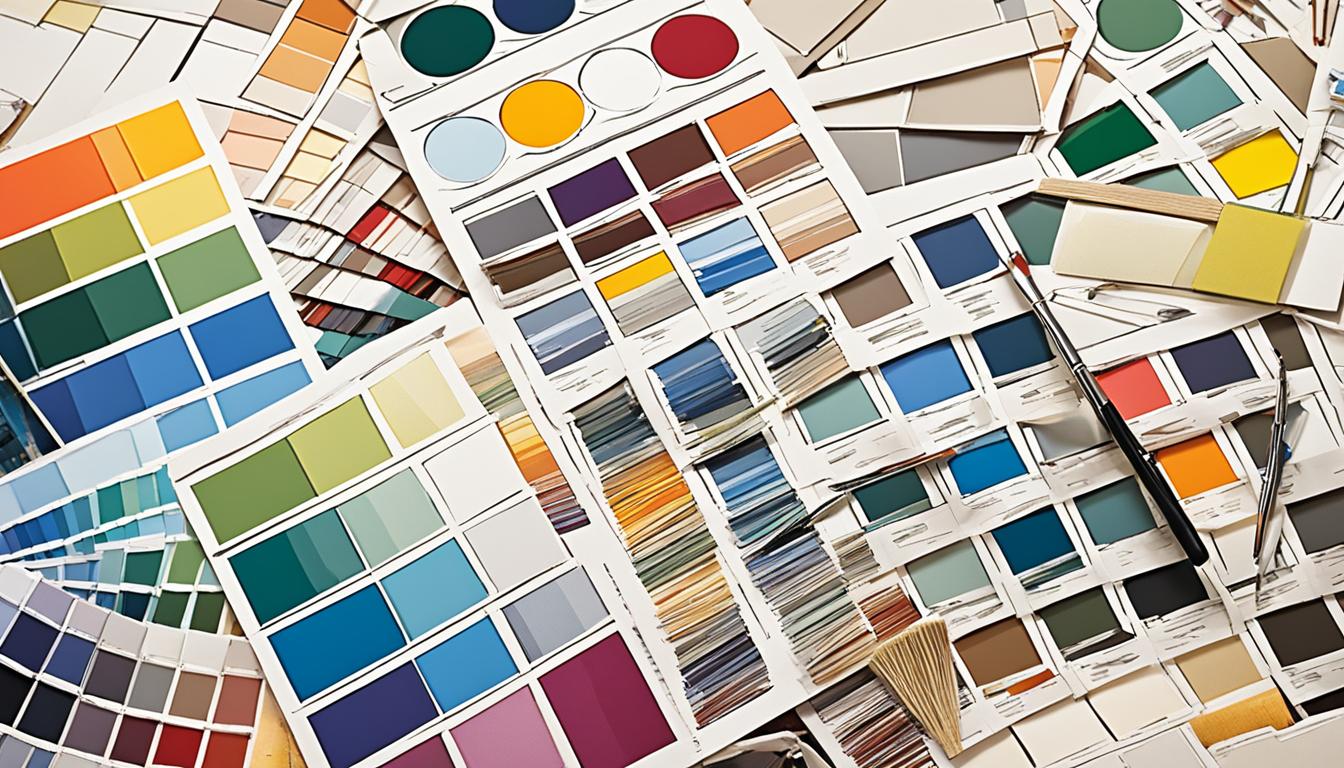
Choosing sustainable materials for your home lets you create a stylish, eco-friendly space that benefits both the environment and your health. Opt for natural, non-toxic paints, low-VOC finishes, and eco-certified textiles. Use bamboo flooring for a renewable look and upcycle old furniture to reduce waste. Incorporating recycled glass or metal accents, along with energy-efficient lighting, further enhances your eco-conscious design. Keep exploring to discover more simple ways to embrace sustainable choices in your home.

Get the latest gadgets delivered free with Prime
- Fast, free delivery on millions of items
- Prime Video, Amazon Music and more included
- Member-only deals all year
Key Takeaways
- Choose natural, non-toxic paints and low-VOC finishes to improve indoor air quality.
- Incorporate renewable materials like bamboo flooring, which grows quickly and reduces environmental impact.
- Use recycled glass, metal, and other repurposed fixtures to minimize waste and promote resourcefulness.
- Opt for sustainably sourced textiles and eco-friendly upholstery materials for furnishings.
- Implement energy-efficient lighting and solar panels to reduce overall carbon footprint.

Have you ever wondered how your home can be both stylish and eco-friendly? It’s easier than you might think. By choosing sustainable materials, you can create a space that’s beautiful, functional, and kind to the environment. One effective way to do this is through upcycling furniture. Instead of discarding old pieces, you breathe new life into them with fresh paint, new upholstery, or creative modifications. Upcycling not only reduces waste but also adds unique charm to your home. You might find an outdated wooden dresser and turn it into a modern statement piece or repurpose vintage crates into shelving units. This approach promotes resourcefulness and helps you avoid buying new furniture, which often involves resource-intensive manufacturing processes. Techniques like self-reflection can help you identify what sustainable choices align best with your lifestyle and goals.
Another key element in sustainable home design is bamboo flooring. Bamboo grows incredibly fast—sometimes reaching maturity in just 3-5 years—making it a highly renewable resource. Installing bamboo flooring can give your home a warm, natural look while considerably reducing your ecological footprint compared to traditional hardwoods. It’s durable, easy to maintain, and resistant to scratches, making it practical for everyday use. Plus, bamboo absorbs carbon dioxide as it grows, helping to offset your carbon footprint. Choosing bamboo flooring over conventional options ensures that your home design supports environmental conservation without sacrificing style.
Incorporating eco-friendly choices doesn’t stop with furniture and flooring. You can also select natural, non-toxic paints, low-VOC finishes, and sustainable textiles to further reduce indoor pollution. When you focus on materials that are locally sourced or certified by environmental standards, you contribute to a healthier planet and a healthier home. Using recycled glass or metal for fixtures and accents adds a layer of sustainability while giving your space a modern edge. Even small changes, like switching to energy-efficient lighting or installing solar panels, amplify your eco-friendly efforts.
Ultimately, creating a sustainable home is about making intentional choices that balance design with environmental responsibility. It’s about rethinking how you source materials and how you treat what you already have. Upcycling furniture reduces waste, while bamboo flooring provides an eco-friendly, stylish foundation for your space. By integrating these elements, you craft a home that reflects your values and supports a healthier planet. Remember, every conscious decision you make counts—your home can be a showcase of sustainability and style, proving that eco-friendly living is both achievable and rewarding.
eco-friendly non-toxic interior paint
As an affiliate, we earn on qualifying purchases.
As an affiliate, we earn on qualifying purchases.
Frequently Asked Questions
How Do Sustainable Materials Impact Indoor Air Quality?
Sustainable materials improve your indoor air quality by reducing VOC emissions, which can cause health issues. They also help with allergen reduction, making your environment safer and more comfortable. Choosing eco-friendly options means fewer toxins in the air you breathe daily. You’ll notice better air quality, fewer allergies, and a healthier home overall. By selecting sustainable materials, you actively create a safer, cleaner living space for you and your loved ones.
Are Eco-Friendly Materials Cost-Effective Long-Term?
Yes, eco-friendly materials can be cost-effective in the long run. You’ll find that their cost comparison often favors durability, meaning you spend less on replacements and repairs over time. Although some eco-friendly options might have higher upfront costs, their longer lifespan and lower maintenance make them a smart financial choice. Plus, you contribute to sustainability efforts, making your home both eco-friendly and economically wise.
Can Sustainable Choices Enhance Home Value?
Yes, sustainable choices can definitely boost your home’s value. Incorporating renewable energy features like solar panels and earning green building certifications appeal to eco-conscious buyers. These upgrades demonstrate your commitment to eco-friendly living, making your home more attractive on the market. Plus, they can lower energy costs, offering long-term savings, which further enhances your property’s value and desirability.
What Maintenance Is Required for Eco-Friendly Materials?
Think of eco-friendly materials as a gentle garden—requiring your care and attention. You’ll need regular cleaning routines to keep surfaces pristine and repair requirements to address any wear over time. Unlike conventional materials, they often demand milder cleaners and less frequent repairs, helping your home stay vibrant longer. By nurturing these materials, you preserve their sustainability and beauty, making your eco-friendly space a resilient haven that benefits both you and the environment.
How Do I Source Certified Sustainable Building Materials?
To source certified sustainable building materials, you should start by researching certification standards like FSC, LEED, or Green Seal. These standards ensure the materials meet eco-friendly criteria. Next, focus on material sourcing by asking suppliers for documentation and verifying certifications. Always choose reputable vendors known for sustainable practices, and consider local sources to reduce environmental impact. This approach guarantees you get genuinely eco-friendly, certified materials for your home.
As an affiliate, we earn on qualifying purchases.
Conclusion
By choosing sustainable materials for your home, you’re not just decorating — you’re making a statement for the planet. Like a modern-day Leonardo da Vinci, you blend innovation with tradition, ensuring your space is eco-friendly and timeless. Remember, every eco-conscious decision you make today echoes through history, shaping a greener future. So, embrace these choices now, and let your home be a beacon of sustainability, standing proudly in the landscape of tomorrow’s world.
As an affiliate, we earn on qualifying purchases.
energy-efficient LED lighting fixtures
As an affiliate, we earn on qualifying purchases.
As an affiliate, we earn on qualifying purchases.
Halloween Picks
halloween
As an affiliate, we earn on qualifying purchases.