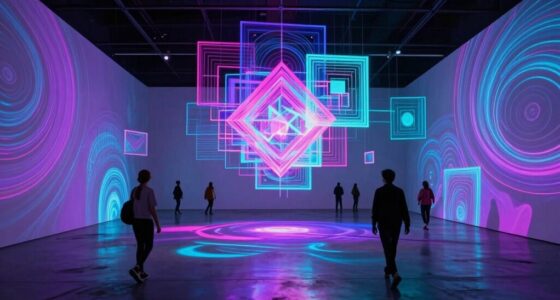
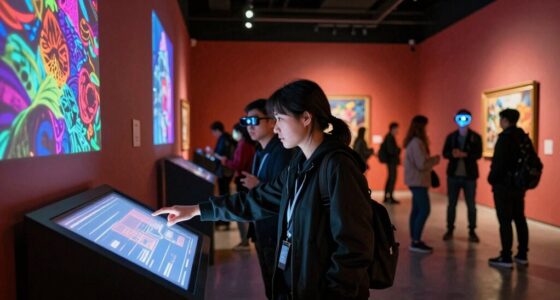
To build immersive experiences on a budget, focus on storytelling and resourcefulness. Use engaging narratives with low-cost visuals, props, and sensory elements like soundscapes. Leverage everyday tech such as smartphones and free apps for interactive features. Creative lighting with LED strips or fairy lights helps set the mood without big expenses. Collaborate with local talent and draw inspiration from visual media to enrich your environment. Keep exploring these techniques to make memorable experiences without overspending.
Key Takeaways
- Use engaging narratives and sensory elements with low-cost materials like printed visuals and tactile props.
- Leverage smartphones, tablets, and free apps for interactive and augmented reality experiences.
- Implement budget-friendly lighting such as LED strips or fairy lights to set moods and focus attention.
- Collaborate with local artists or community members to incorporate authentic, cost-effective creative contributions.
- Maximize resources by emphasizing imagination, simple solutions, and innovative storytelling over expensive equipment.

Creating immersive experiences doesn’t have to break the bank. With the right approach and some innovative thinking, you can craft enthralling environments without overspending. The key lies in leveraging budget friendly tools that maximize your resources and foster genuine creative engagement. You don’t need expensive technology or elaborate setups to make a lasting impression—sometimes, simple solutions can be just as effective.
Creating captivating immersive experiences is possible with budget-friendly tools and creative resourcefulness.
Start by focusing on the power of storytelling. Engaging narratives can transform a plain space into an immersive world. Use low-cost materials like printed visuals, hand-crafted props, or digital overlays created with free or affordable software. These elements draw your audience into a story, making them feel part of the experience. Incorporating sensory elements—such as soundscapes or tactile objects—can amplify this effect without requiring costly investments. For example, playing ambient sounds through a basic speaker system or using everyday objects as interactive tools can heighten emotional involvement.
Another way to boost creative engagement is by utilizing everyday technology creatively. Smartphones and tablets are powerful tools that are often already in your hands. With free or inexpensive apps, you can add augmented reality layers, create interactive quizzes, or embed multimedia content that responds to user input. This approach not only cuts costs but also encourages active participation, making the experience feel more personal and memorable. Additionally, free online platforms allow you to design virtual environments or interactive stories that participants can explore on their own or together.
Lighting is another budget-friendly way to set the mood and shape the environment. Simple solutions like colored LED strips, battery-operated fairy lights, or even DIY lanterns can dramatically alter the atmosphere. Proper lighting directs attention, emphasizes key elements, and immerses your audience further into the scene. Combining light with sound and visual cues creates a multisensory experience that feels richer and more engaging.
Furthermore, exploring anime movies and animated films that touch hearts can provide inspiration for storytelling techniques and emotional engagement, enhancing the overall experience. Finally, tap into the creativity of your community or team. Collaborate with local artists, students, or volunteers who are enthusiastic to contribute their talents at little or no cost. This not only reduces expenses but also adds authenticity and diversity to your immersive environment. By focusing on storytelling, leveraging affordable technology, and creatively utilizing resources, you can develop compelling experiences that enthrall your audience without stretching your budget. Ultimately, building immersive environments is about imagination and resourcefulness—so think outside the box and let your ideas take center stage.

Govee RGBIC LED Strip Lights, Smart LED Lights for Bedroom, Bluetooth LED Lights APP Control, DIY Multiple Colors on One Line, Color Changing LED Strip Lighting Music Sync, Home Decor, 16.4ft
Smart RGBIC Effects: RGBIC LED Strip lights for bedroom display multiple colors on one line at a time…
As an affiliate, we earn on qualifying purchases.
As an affiliate, we earn on qualifying purchases.
Frequently Asked Questions
How Can I Measure the Success of My Immersive Experience?
You can measure your immersive experience’s success by tracking audience engagement, such as interactions and time spent. Collect feedback through surveys or direct comments to understand their reactions. Analyzing this feedback helps identify what resonated and what needs improvement. By combining engagement metrics with feedback analysis, you get a clear picture of how well your experience connects with your audience and meets your goals.
What Are Common Pitfalls When Creating Budget-Friendly Immersive Projects?
When creating budget-friendly immersive projects, you might face common pitfalls like cost overruns and technical limitations. To avoid these, plan meticulously, set realistic budgets, and prioritize essential features. Don’t overspend on unnecessary elements, and test your technology early to identify limitations. By staying flexible and focusing on core experiences, you’ll minimize surprises and ensure your project stays on track without sacrificing quality.
How Do I Choose the Right Technology for My Immersive Experience?
To choose the right technology, start with a thorough technology evaluation, focusing on what aligns with your goals and budget. Prioritize tools that enhance user experience, ensuring they’re intuitive and engaging. Consider scalability and compatibility with existing systems, avoiding overly complex setups. Test multiple options, gather user feedback, and compare costs to find the best fit. By balancing budget and innovation, you create compelling immersive experiences that resonate with your audience.
Can Immersive Experiences Be Scaled for Larger Audiences Affordably?
Yes, you can scale immersive experiences affordably by focusing on audience engagement and budget optimization. Use modular technologies like VR or AR, which can be expanded gradually to reach larger audiences. Leverage social media and digital platforms to create interactive content that engages more people without high costs. Prioritize cost-effective equipment and software, and consider partnerships or sponsorships to further stretch your budget while maintaining a compelling experience.
What Are Innovative Low-Cost Materials for Immersive Set Design?
You can use DIY props made from everyday items like cardboard, fabric scraps, and foam to create immersive set designs without breaking the bank. Recycled materials, such as plastic bottles, old newspapers, and reclaimed wood, add authenticity and eco-friendliness. By repurposing these low-cost materials, you craft compelling environments that captivate audiences while keeping costs minimal, all with a creative, hands-on approach.
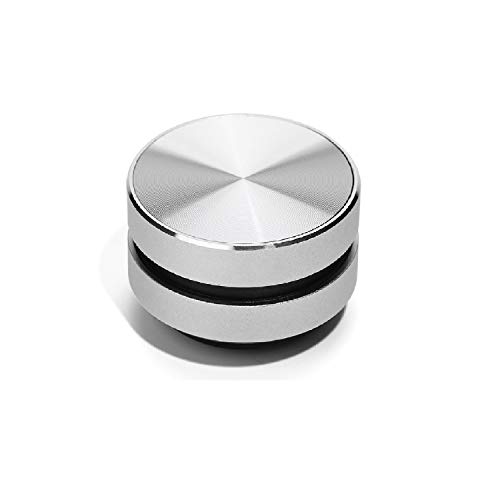
Bigvapor Bone Conduction Speaker, True Wireless Speakers Mini Portable Stereo Sound Creative Speaker Compatible with iPhone, iPad, Samsung, Tablets and More Box
【Turn Anything Hollow into a Speaker】 Snuggle Sac Bone Conduction Speaker is the world's smallest and most versatile…
As an affiliate, we earn on qualifying purchases.
As an affiliate, we earn on qualifying purchases.
Conclusion
With creativity and smart planning, you can craft immersive experiences that rival those costing a fortune—your budget is no limit to innovation. By thinking outside the box and leveraging affordable resources, you’ll captivate your audience and leave a lasting impression. Remember, when you put your mind to it, your immersive project can become the talk of the century, transforming ordinary spaces into extraordinary adventures. So go ahead, make magic happen without breaking the bank!
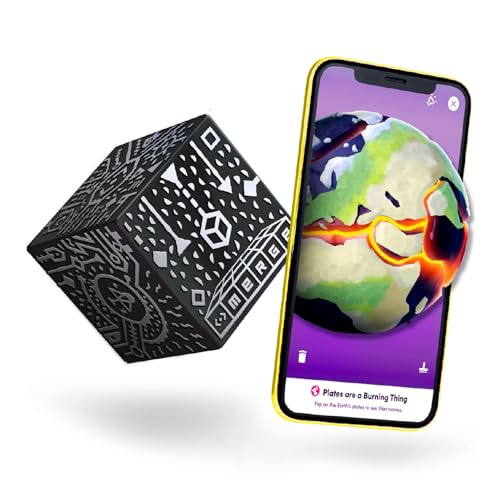
Merge Cube STEM Toy – Hold Digital Science Experiments in Your Hand! 1000+ 3D Objects & 100+ Interactive Simulations with Augmented Reality – Fun Learning Gift for Kids
HOLD SCIENCE IN YOUR HANDS – Turn your room into a science lab! With the Merge Cube, kids…
As an affiliate, we earn on qualifying purchases.
As an affiliate, we earn on qualifying purchases.
DIY props and visual materials for immersive experiences
As an affiliate, we earn on qualifying purchases.
As an affiliate, we earn on qualifying purchases.