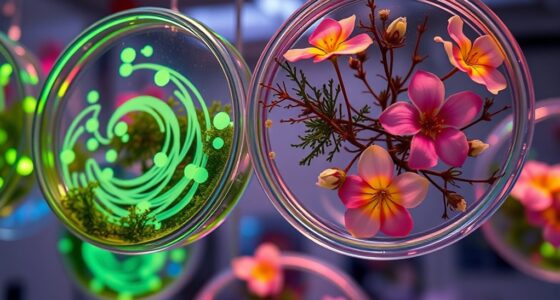

Microbial art involves using bacteria and fungi to create vibrant, living images by cultivating them on different surfaces like agar plates. You choose microbes that produce specific colors and grow patterns, controlling conditions like temperature and nutrients to guide the design. The art evolves as the microbes develop, resulting in unique, dynamic pieces. If you want to explore how science turns tiny organisms into creative tools, there’s much more to discover about this innovative art form.
Key Takeaways
- Microbial art involves creating images using bacteria and fungi that produce colorful natural pigments.
- Artists cultivate microbes on substrates like agar to form intricate, living patterns and designs.
- Different microbes generate a diverse palette of colors, textures, and effects in microbial artworks.
- The process includes controlling growth conditions and preserving the art through fixing or drying microbes.
- Microbial art highlights sustainability and showcases microbes as creative, biological tools for visual expression.
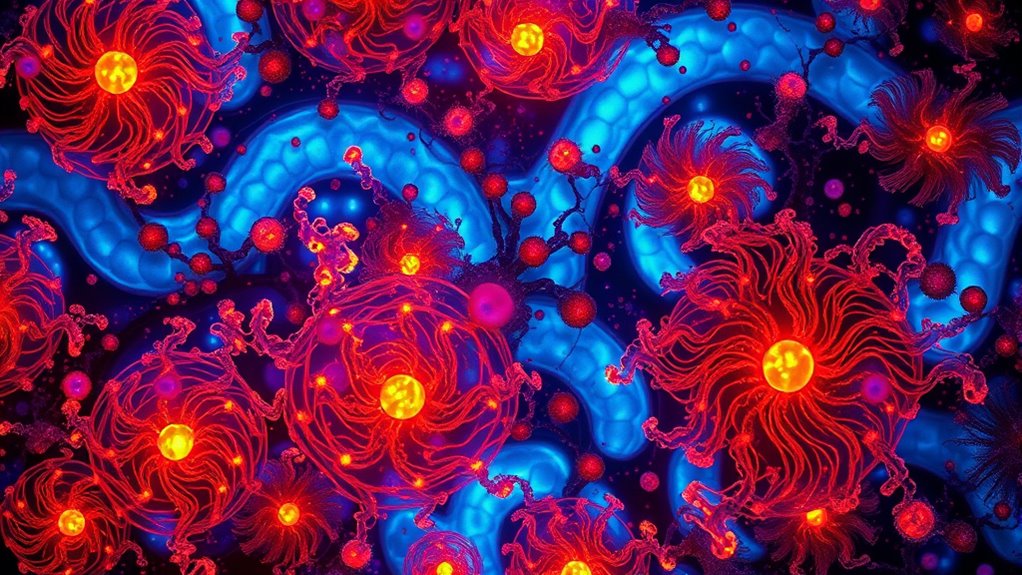
Have you ever wondered how artists turn tiny microbes into stunning works of art? It’s a fascinating blend of science and creativity that pushes the boundaries of traditional art forms. At the heart of microbial art is biological pigmentation—the natural colors produced by bacteria and fungi. These microorganisms synthesize a variety of pigments, such as carotenoids, melanins, and violacein, which serve functions like protection from environmental stress. Artists harness these pigments to create vivid, lasting images on different surfaces. Unlike conventional paints, microbial pigmentation is sustainable, biodegradable, and rooted in natural biological processes. This makes microbial art not only visually captivating but also environmentally friendly.
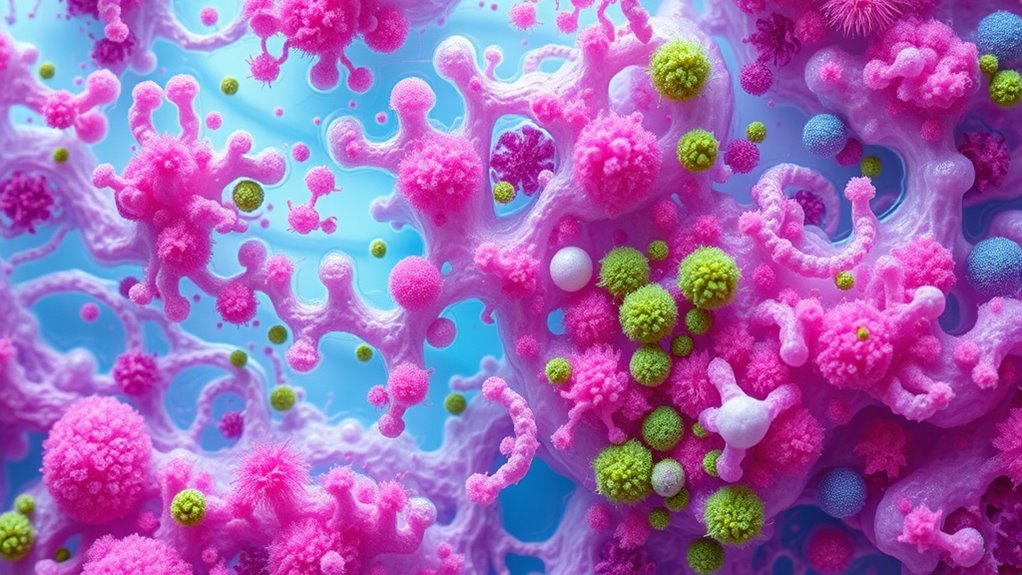
Understanding microbial diversity is essential for artists seeking to expand their palette, as different microorganisms produce a wide range of colors and textures, offering a rich spectrum to explore. Different bacteria and fungi produce distinct colors and textures, offering a rich palette to work with. For example, some bacteria generate bright orange or red hues, while others produce deep purple or blue shades. Fungi may contribute earthy browns, greens, or even luminous effects under certain conditions. This diversity allows artists to experiment with various combinations, layering microbes to achieve complex, multidimensional images. The choice of microorganisms also depends on their growth characteristics, safety, and how easily they can be manipulated in a controlled environment.
Once you select the microbial strains, you cultivate them on suitable substrates like agar plates or gels. This process involves precise control of temperature, humidity, and nutrient levels to guide microbial growth and pigment production. As the microbes multiply, they form intricate patterns that become the basis of your artwork. You can design your image beforehand or let the microbes grow naturally, revealing spontaneous forms and textures. The process is dynamic, with colors intensifying or shifting as the microbes develop, adding a living, evolving element to your piece.
Maintaining the microbial art involves careful monitoring to prevent contamination or overgrowth. After the desired image is achieved, you can preserve it by fixing the microbes or allowing them to dry, locking in their biological pigments. This results in a unique piece that reflects the natural beauty of microbial diversity and biological pigmentation. The final artwork is not only visually striking but also a tribute to the incredible potential of microbes as creative tools. By embracing the science behind microbial pigmentation and diversity, you can transform tiny organisms into extraordinary works that challenge and expand your understanding of art, nature, and innovation.

Lab Genome BioArt Studio – Agar Art Kit & Microbiology Resin Kit: Petri Dishes, Agar Powder & Jacquard Alcohol Inks – DIY STEM Science Gift for Teens & Adults (Bacteria & Fungi Growth Simulation)
- Home Microbiology Art Kit: Create bacterial and fungal art at home
- Includes Professional-Grade Materials: Agar, petri dishes, and inks included
- Vibrant Alcohol Inks: Sunbright Yellow, Magenta, Sapphire Blue
As an affiliate, we earn on qualifying purchases.
As an affiliate, we earn on qualifying purchases.
Frequently Asked Questions
What Safety Precautions Are Necessary When Creating Microbial Art?
When creating microbial art, you need to follow biosafety protocols to protect yourself and others. Always wear gloves, lab coats, and eye protection, and work in a sterile environment to prevent contamination. Keep your workspace clean, sterilize tools properly, and dispose of all materials safely. By adhering to these safety precautions, you minimize risks and guarantee contamination prevention, making your microbial art both safe and successful.
How Durable Are Microbial Artworks Over Time?
Your microbial artworks can be quite charming over time, but they’re vulnerable to biological deterioration. With proper preservation techniques, like sealing and controlling humidity, you can extend their lifespan considerably. While they won’t last forever, gentle care ensures your creations stay vibrant and intriguing longer. Remember, their fleeting nature adds to their unique appeal, making each piece a fascinating snapshot of microbial artistry’s delicate beauty.
Can Microbial Art Be Displayed Outdoors Safely?
Yes, you can display microbial art outdoors safely if you consider environmental safety and proper containment. Use outdoor installations with sealed, biodegradable enclosures to prevent bacteria or fungi from escaping. Regularly monitor the artwork for contamination or growth changes. Make certain you’re working with non-pathogenic microbes and follow safety guidelines. By doing so, you protect both the environment and viewers while showcasing your microbial art outdoors.
What Are the Environmental Impacts of Microbial Art?
You might wonder about the environmental impacts of microbial art. It’s generally eco-friendly because it uses natural, biodegradable materials and promotes microbial biodiversity. However, if not managed properly, it could introduce non-native microbes into ecosystems, potentially disrupting local biodiversity. To minimize impacts, make certain you use safe, sustainable materials and avoid releasing microbes into the environment. Properly controlled microbial art supports ecological health while showcasing creative expression.
How Can Microbial Art Be Preserved Long-Term?
Preservation promises prolonging microbial masterpieces. You should start by selecting specialized preservation techniques tailored for microbial art, like dehydration or chemical stabilization. Using archival materials guarantees your artwork stays sturdy and splendid over time. Keep the piece in a controlled climate—low humidity, steady temperature—to prevent decay. Regular monitoring and gentle maintenance help maintain its mesmerizing magic, ensuring your microbial masterpiece remains magnificent for generations to come.
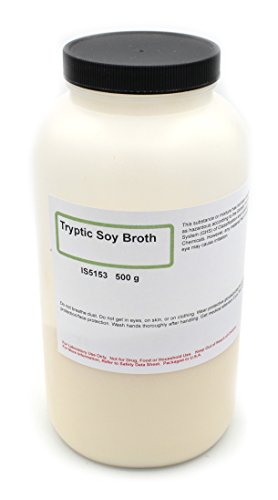
ALDON Innovating Science Tryptic Soy Broth 500g, Makes 20 Liters of Medium
- Size and Quantity: 500g makes 20 liters of medium
- Selective Growth Medium: Supports aerobic and facultative anaerobic bacteria and fungi
- Easy to Prepare: Mix 25g with 1L water, boil and stir
As an affiliate, we earn on qualifying purchases.
As an affiliate, we earn on qualifying purchases.
Conclusion
So, next time you marvel at a masterpiece, remember it might just be a bacterial brushstroke. You’ve painted with microbes—tiny artists that thrive unseen, yet leave their mark boldly. Ironically, what seems like a simple artwork is actually a living, breathing organism, constantly evolving. In this microbial gallery, beauty is fleeting, and the real art is that these tiny creators remind you that life’s most fascinating masterpieces are often invisible to the naked eye.

EZ BioResearch Malt Extract Agar (MEA) Plates, 10 Prepoured Plates
- Premium Quality Ingredients: Made with real malt extract for superior growth
- No Malt Debris: Industrial filtration ensures debris-free plates
- Versatile for Education and Research: Suitable for mold detection and microbiology projects
As an affiliate, we earn on qualifying purchases.
As an affiliate, we earn on qualifying purchases.

From Plant to Pigment: How to make your own vibrant inks, pastels and paints
As an affiliate, we earn on qualifying purchases.
As an affiliate, we earn on qualifying purchases.