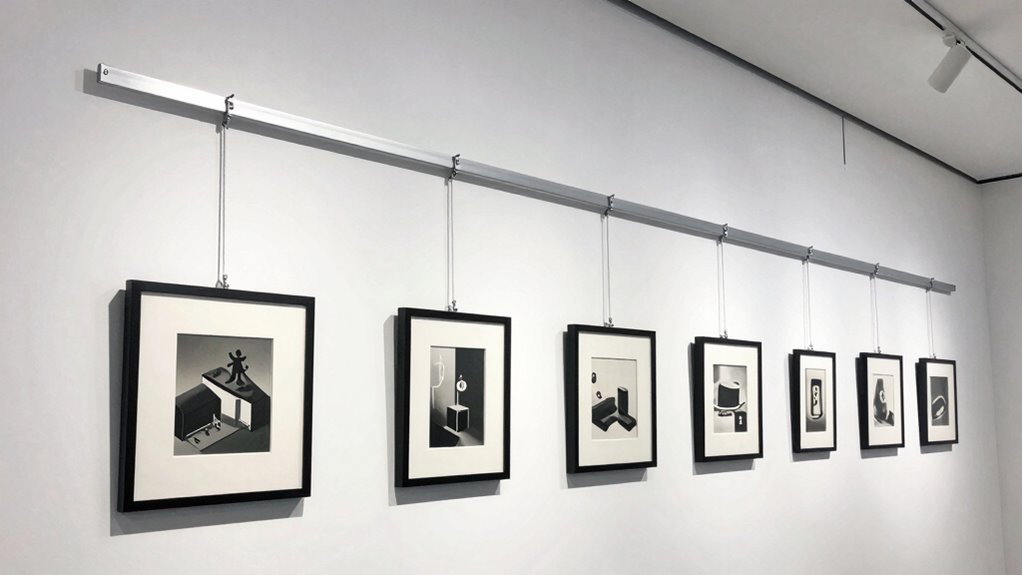

Gallery hanging systems use rails, hooks, and weight ratings to securely display artwork while protecting your walls. The rails, installed along the top of the wall, serve as a sturdy backbone for hanging pieces with various hooks or cords. These components are designed to support different weights, ensuring safety and flexibility for rearranging art without damage. To get the full picture on choosing the right system and understanding each part’s role, keep exploring these key elements.
Key Takeaways
- Gallery rails are installed along the wall top to support multiple hooks and artwork securely.
- Hooks and cords attach to the rails, allowing for flexible arrangement and easy adjustments.
- Weight ratings specify the maximum load each hook and rail can safely support, ensuring artwork safety.
- Proper installation into wall studs or anchors prevents wall damage and maintains system stability.
- Regular inspections and adjustments help preserve artwork and prevent accidents or system failure.
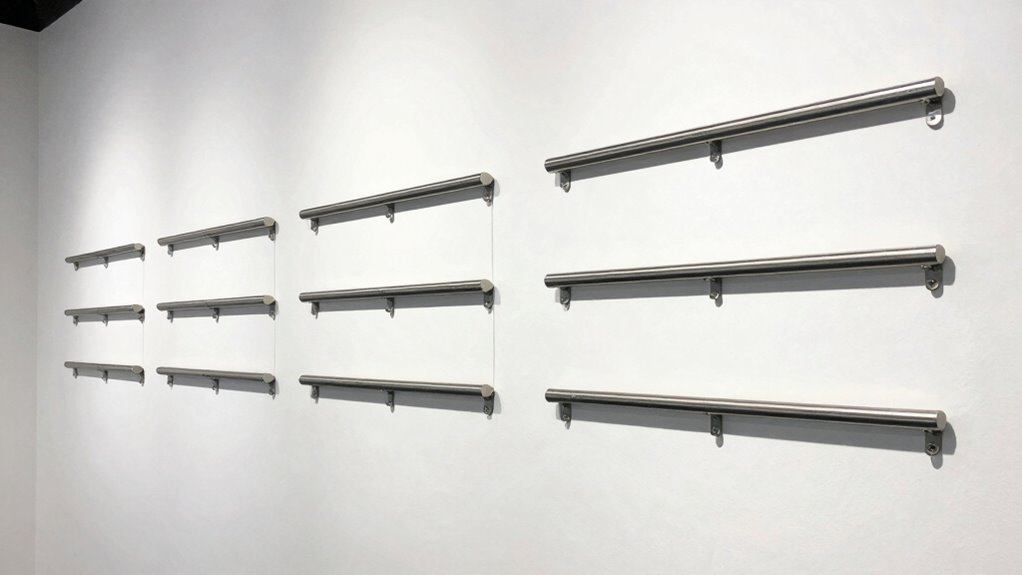
Gallery hanging systems offer a versatile and secure way to display artwork and photographs with ease. Whether you’re curating a gallery or decorating your home, these systems help create a clean, professional look while ensuring your pieces stay safe and stable. One of the most important aspects of using these systems is understanding how they support art preservation. Proper hanging minimizes wall damage and reduces the risk of accidental falls, which can harm delicate artwork. To achieve this, you need to choose the right installation techniques, ensuring the system is securely anchored and evenly balanced. Using the correct hardware and following manufacturer guidelines helps maintain your art’s condition over time, preventing issues like warping, bending, or discoloration caused by improper support.
When selecting a gallery hanging system, the rails are fundamental components. Typically installed along the top of the wall, rails serve as the backbone for hanging multiple pieces without damaging the wall surface. They come in various materials, such as aluminum or steel, offering strength and durability. The hooks or cords attach to these rails, giving you flexibility in arranging your artwork. For essential art preservation, you should opt for systems that allow for easy adjustments without needing to remove the entire setup. This way, you can reconfigure your display without repeatedly drilling into the wall, which could compromise wall integrity or cause instability in the hanging system over time.
Installation techniques are critical to ensuring your gallery system functions properly and safely. You want to make sure the rails are mounted securely into wall studs or using appropriate anchors if studs aren’t available. Proper spacing and leveling are essential to prevent uneven hanging and to keep your artwork straight. When hanging heavier pieces, it’s important to check the weight ratings of your hooks and rails to avoid accidents. Always distribute weight evenly across the system to prevent undue stress on any single point. Regularly inspecting the mounting hardware and adjusting the cords or hooks as needed will prolong the lifespan of your display and maintain the integrity of your art preservation efforts.
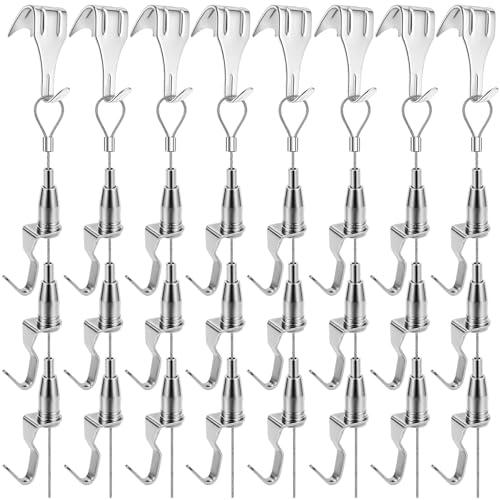
8PCS Adjustable Picture Hanging Wire Kit(6.56FT, 3 Hooks) Picture Rail Hanging System Sturdy Gallery Display Rail Rope with 3 Hooks for Exhibition Art Gallery Frames Display
3-layer Hanging, Saving Space: 8 packs wire kits and there are 3 hooks with each kit. 3 hooks…
As an affiliate, we earn on qualifying purchases.
As an affiliate, we earn on qualifying purchases.
Frequently Asked Questions
Can Gallery Hanging Systems Be Customized for Specific Artwork Sizes?
Yes, you can personalize gallery hanging systems for specific artwork sizes. With a modular design, these systems allow you to adjust rails and hooks to fit your artwork perfectly. Many providers offer custom sizing options, so you can tailor the setup to your needs. This flexibility ensures your artwork is securely displayed and looks professional, regardless of size or shape.
How Do I Choose the Right Hook Type for Different Wall Materials?
You should select hooks compatible with your wall material for secure hanging. For drywall, use wall anchors combined with sturdy hooks to support weight. If you’re hanging on plaster or brick, opt for masonry hooks or specialized wall anchors for better grip. Always check the hook compatibility with your wall type and weight of artwork to prevent damage or falling. Properly matching hooks and anchors guarantees safety and stability.
Are There Safety Guidelines for Installing Heavy Artwork?
Imagine your artwork hanging securely on a sturdy wall, ready to withstand the test of time. For installation safety, always check the weight capacity of your hooks and rails, ensuring they match or exceed your piece’s weight. Use appropriate anchors for wall material, and follow manufacturer instructions meticulously. This careful approach guarantees safety, preventing accidents and keeping your artwork beautifully protected against unexpected slips or falls.
Can Hanging Systems Be Used Outdoors or in Humid Environments?
Yes, you can use hanging systems outdoors or in humid environments if they’re designed for weather resistance and corrosion prevention. Look for systems made from stainless steel, aluminum, or coated materials that resist rust and moisture damage. Confirm they’re rated for outdoor use, and regularly check for signs of corrosion or wear. Proper installation and maintenance will help your artwork stay secure and in good condition over time.
What Maintenance Is Required to Keep the System Secure Over Time?
Think of your hanging system as a delicate dance partner that needs regular attention. You should perform regular inspections to spot any signs of wear or loosening, and stick to consistent cleaning routines to prevent dust and grime buildup. By doing so, you guarantee your system remains secure and reliable over time. Remember, a little maintenance keeps your art hanging beautifully and safely, preserving your space’s elegance.
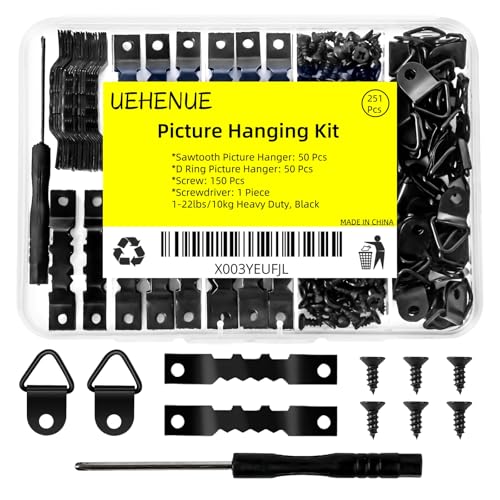
UEHENUE 251Pcs Picture Hanging Kit, Include 50 Sawtooth Picture Hangers, 50 D Rings, 150 Screws and Screwdriver, Heavy Duty Picture Frame Hanging Hardware for Wall Artworks Frame Canvas Mounting
Versatile Picture Hanging Kit: Upgraded five-grid vertical solid plastic box. Includes 50 sawtooth picture frame hangers, 50 D…
As an affiliate, we earn on qualifying purchases.
As an affiliate, we earn on qualifying purchases.
Conclusion
Now, with a clear understanding of gallery hanging systems—rails, hooks, and weight ratings—you’re ready to transform your walls into a stunning display. Picture your favorite artwork gracefully suspended, perfectly balanced, and securely held in place. As you select the right tools, imagine each piece finding its perfect spot, creating a mesmerizing gallery that reflects your style. With confidence and care, your walls will tell a story that invites everyone to linger and admire.
8PCS Adjustable Picture Hanging Wire Kit(6.56FT, 3 Hooks) Picture Rail Hanging System Sturdy Gallery Display Rail Rope with 3 Hooks for Exhibition Art Gallery Frames Display
3-layer Hanging, Saving Space: 8 packs wire kits and there are 3 hooks with each kit. 3 hooks…
As an affiliate, we earn on qualifying purchases.
As an affiliate, we earn on qualifying purchases.

PHS 100 lb Picture Hanging Hooks – Heavy Duty Picture Hangers, 10 Pack Frame Hangers with Nails, Mirror Hanging Kit, Heavy Mirror Mounting Hardware for Drywall and Plaster
BEFORE YOU BUY: Our 100 lb picture hangers are designed to hang heavy mirror on wall, framed artwork,…
As an affiliate, we earn on qualifying purchases.
As an affiliate, we earn on qualifying purchases.