
Adding texture is the fastest way to create depth in a minimal room because it introduces visual and tactile contrast without overcrowding the space. You can effortlessly combine different materials like smooth and rough surfaces, matte and shiny finishes, or soft and firm textures to make your room feel more layered and inviting. By thoughtfully selecting a few impactful pieces, you enhance both comfort and style. Keep exploring to discover more simple ways to elevate your minimal space effortlessly.
Key Takeaways
- Texture creates visual contrast that instantly adds depth without cluttering the space.
- Tactile layering introduces dimension through varying surface qualities like matte and glossy finishes.
- Strategic texture choices enhance sensory engagement, making the room appear more layered and lively.
- Limited, well-chosen textures prevent overwhelming the minimal aesthetic while enriching the environment.
- Texture influences the atmosphere by inviting touch, adding richness, and preventing flatness in simple designs.
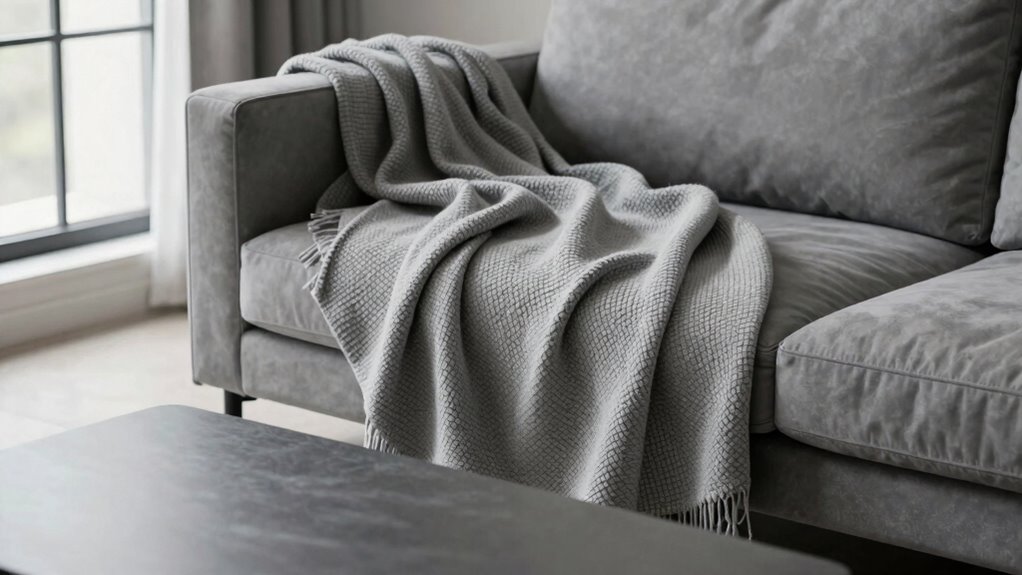
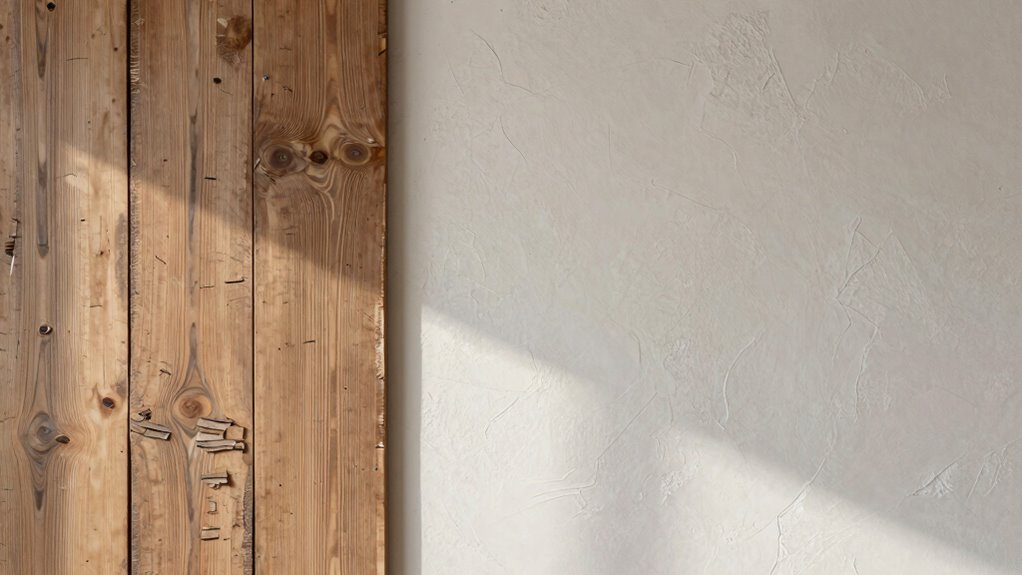
In minimal rooms, where clean lines and simplicity dominate, adding texture can make a significant difference. You want to avoid a space that feels sterile or flat, and that’s where textural contrast comes into play. When you introduce different textures, you create visual interest without cluttering the room. Think of it as a subtle dialogue between smooth and rough, shiny and matte. This contrast draws your eye around the space, giving it depth and dimension. You might add a plush rug to the floor, a velvet cushion on a sleek chair, or a wall hanging with woven fibers. Each piece adds a layer of tactile layering that invites touch and enhances the room’s richness.
Adding textures in minimal spaces creates depth and visual interest through subtle tactile contrasts.
Tactile layering is one of your most powerful tools in a minimal design. It’s about layering different surfaces and materials so that the space feels more inviting and dynamic. For instance, pairing a leather sofa with a soft throw blanket or a wooden coffee table with ceramic vases introduces a variety of textures that complement each other. These layers don’t have to be loud or overwhelming; they just need to be intentional. When you combine textures thoughtfully, the eye perceives depth naturally, and the room feels more complete. Textural contrast is essential in creating visual interest and preventing a minimal space from feeling monotonous. Incorporating a mix of surface textures can further enhance this effect, making the environment feel richer and more layered. The key is to balance these elements so they don’t compete but instead work together to elevate the overall aesthetic.
Adding texture doesn’t mean overdoing it. Instead, you focus on a few well-chosen pieces that provide just enough textural contrast to make the space pop. You might select a woven basket for storage, a linen curtain, or a matte-finish decorative object. These small but impactful choices create subtle shifts that keep the room from feeling monotonous. Tactile layering also influences how you experience the space physically—touching a textured pillow or feeling the grain of a wood surface adds another sensory dimension. This multi-layered approach makes even the simplest, most minimal rooms feel layered and lively. Recognizing the importance of visual interest and tactile contrast helps in creating a harmonious and inviting environment.
As an affiliate, we earn on qualifying purchases.
Frequently Asked Questions
How Do I Choose the Right Textures for Small Spaces?
To choose the right textures for small spaces, focus on contrasting materials and colors to create visual interest without clutter. Opt for durable materials like woven fabrics or textured wall panels that add depth, while keeping color contrast subtle yet effective. Stick to a few tactile elements, such as plush rugs or matte finishes, to avoid overwhelming the space. This approach enhances depth while maintaining the minimal aesthetic.
Can Too Much Texture Make a Room Feel Cluttered?
Yes, too much texture can turn your room into a visual chaos, overwhelming your senses. When you overdo wall treatments or decorative accents, the space loses its calm minimal vibe. To avoid clutter, balance textured elements with smooth surfaces and keep accessories simple. Think of texture as a spice—use just enough to enhance, not overpower. This way, your room stays inviting, stylish, and effortlessly spacious.
What Are Budget-Friendly Textured Decor Options?
You can find budget-friendly textured decor options like wall finishes such as peel-and-stick wallpaper or textured paint, which add depth without a big expense. Fabric accents, like cozy throw pillows, rugs, or curtains, also bring tactile interest and warmth to your space. These options are affordable, easy to update, and make your minimal room feel more inviting by adding visual and tactile texture effortlessly.
How Do Textures Affect Room Acoustics?
Textures act like cozy blankets for your room, softening sound waves and reducing echoes. They enhance acoustics by absorbing sound, creating a more intimate and balanced environment. When you add textured fabrics, rugs, or wall coverings, you’re not only enriching visual appeal but also boosting sound absorption. This acoustic enhancement makes your space feel warmer and more inviting, turning noise into a gentle hum rather than disruptive clatter.
Which Textures Are Best for Creating a Cozy Atmosphere?
To create a cozy atmosphere, opt for textures that offer tactile comfort and contrast, like chunky knit throws, plush rugs, and soft velvet cushions. These textures add visual interest through textural contrast and invite you to touch and feel, enhancing the room’s warmth. Combining different textures creates a layered, inviting space, making your minimal room feel more intimate and welcoming without cluttering it.
As an affiliate, we earn on qualifying purchases.
Conclusion
So, if you want your minimal room to shout “luxury” louder than a symphony, add texture now! It’s like turning a blank canvas into a masterpiece in seconds—your space will transform from bland to breathtaking faster than you can say “wow.” Don’t settle for boring; release texture and watch your room explode with depth, character, and personality. Trust me, once you feel that richness, there’s no going back—your space will never be the same again!
As an affiliate, we earn on qualifying purchases.
As an affiliate, we earn on qualifying purchases.