Creative expression is about honestly sharing your ideas and emotions through authentic art, pushing your boundaries and embracing vulnerability. In contrast, creative avoidance involves distracting yourself with superficial tasks to escape uncomfortable feelings or fears of failure. While genuine work reflects your true voice and encourages growth, avoidance stalls progress and masks underlying struggles. Understanding these differences can help you stay true to your creative goals, and if you keep exploring, you’ll uncover ways to cultivate authentic artistic growth.

Get the latest gadgets delivered free — and shop member deals
- Fast, free delivery on millions of items
- Access to Prime Big Deal Days deals on October 6–7
- Prime Video, Amazon Music and more included
Key Takeaways
- Creative expression involves honest sharing of ideas and emotions, while creative avoidance masks feelings with superficial tasks.
- Authentic creative work emphasizes vulnerability and self-reflection, unlike avoidance, which seeks to escape discomfort.
- True expression encourages growth through risk-taking, whereas avoidance leads to stagnation and missed opportunities.
- The motivation behind genuine work is connection and exploration; avoidance is driven by fear of failure or criticism.
- Recognizing intentions helps differentiate meaningful, authentic creation from distraction or superficial activity.
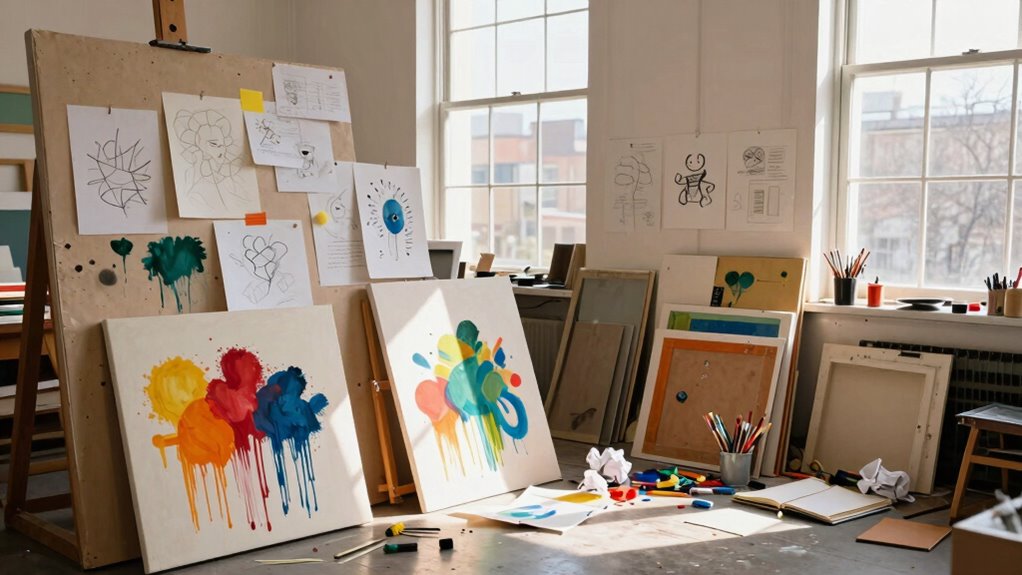
Creative expression is about honestly sharing your ideas and emotions through art, writing, or other forms, while creative avoidance is a way of dodging challenges or uncomfortable feelings by staying busy with superficial tasks. When you engage in true creative expression, you prioritize artistic authenticity—staying true to your voice and vision. This process often involves vulnerability, as you open yourself up to critique and self-reflection. It’s about tapping into your innermost thoughts and feelings, even if they’re messy or uncomfortable, because that’s where genuine creativity flourishes. True artistic authenticity demands that you confront your emotions honestly, rather than masking them behind distractions or surface-level work.
In contrast, creative avoidance keeps you from facing difficult emotions or obstacles. Instead of working through challenges, you might find yourself filling your time with trivial tasks—checking social media, organizing your supplies, or tweaking minor details—hoping these superficial activities will somehow make the real issues disappear. This pattern often stems from fear of failure, self-doubt, or perfectionism. While it might feel productive in the moment, it ultimately stalls your growth and keeps you stuck in stagnation. Recognizing the importance of biodiversity and understanding the interconnectedness of ecosystems can inspire a more authentic approach to creative challenges, emphasizing growth through diversity and resilience. Developing a mindset that values diversity in ideas and perspectives can help you move past avoidance and embrace true creative exploration. Cultivating an awareness of emotional intelligence can also guide you in understanding your motivations and confronting underlying fears. Moreover, embracing growth mindset can help you see setbacks as opportunities for learning rather than reasons to withdraw from your creative pursuits.
The line between creative expression and avoidance can be blurry, especially when you’re uncertain about your direction. If you’re driven by genuine curiosity and a desire to explore new ideas, your work will tend toward innovation rather than stagnation. You’ll be willing to experiment, take risks, and accept that failure is part of the process. This mindset fuels growth and keeps your work fresh, dynamic, and authentic. Conversely, if you’re merely avoiding the discomfort of self-criticism or failure, you may find yourself recycling the same ideas or sticking with familiar routines that don’t challenge you.
Ultimately, the difference lies in your intention. When you create to connect with your true self, to push boundaries, and to express your unique perspective, you’re engaging in authentic artistic effort. If your work is driven by a desire to escape discomfort or avoid failure, you’re more likely engaging in avoidance disguised as productivity. Recognizing this distinction can help you steer your creative energy toward meaningful expression, fostering genuine growth and avoiding the trap of stagnation.
As an affiliate, we earn on qualifying purchases.
Frequently Asked Questions
How Can I Tell if I’M Avoiding Work or Genuinely Resting?
You can tell if you’re avoiding work or genuinely resting by practicing mindful journaling, which helps you identify your true feelings. If your journaling reveals feelings of guilt or resistance, you might be avoiding. On the other hand, if it uncovers a sense of rejuvenation and clarity, you’re likely resting. Setting artistic boundaries can also help; if your breaks feel invigorating without guilt, you’re engaging in healthy rest, not avoidance.
What Are Subtle Signs of Creative Avoidance?
You might notice subtle signs of creative avoidance in your procrastination patterns, like endlessly researching or tweaking without making progress. Artistic stagnation can also creep in, where ideas feel stuck or uninspired despite effort. If you find yourself avoiding your work through distractions or feeling indifferent about projects, you’re likely engaging in avoidance rather than genuine rest. Recognizing these signs helps you address underlying fears and rekindle your creative flow.
Can Creative Avoidance Lead to Missed Opportunities?
Creative avoidance is like a closed door, and yes, it can lead to missed opportunities. When procrastination triggers and motivation barriers take hold, you might overlook chances that could elevate your work. Ignoring these signs keeps you in the shadows, preventing growth and new experiences. By recognizing these patterns, you can open the door, embracing creative expression instead of avoidance, and seize opportunities that could redefine your journey.
How Do Emotions Influence Creative Expression Versus Avoidance?
Emotions deeply influence your creative process, acting as triggers that can either inspire or cause creative blocks. When you feel inspired, positive emotions fuel genuine creative expression, helping you share your authentic voice. Conversely, fear, doubt, or anxiety can lead you into creative avoidance, where emotions create barriers rather than breakthroughs. Recognizing these emotional triggers helps you navigate your feelings, transforming potential blocks into opportunities for deeper, more meaningful creative work.
Are There Specific Environments That Promote Expression Over Avoidance?
Yes, certain environments foster creative expression over avoidance. Environmental influences like open, supportive atmospheres encourage you to take risks and share ideas freely. Creative atmospheres that prioritize collaboration, variety, and comfort help you feel safe to explore your emotions and ideas without fear. These settings inspire you to express authentically and challenge avoidance tendencies, boosting your confidence and motivation to create openly.
As an affiliate, we earn on qualifying purchases.
Conclusion
Remember, the line between creative expression and avoidance can be thin. When you channel your true passions, you’re genuinely creating; when you dodge tough ideas or feelings, you’re sidestepping growth. Don’t let fear or perfectionism hold you back. Instead, face your work head-on and trust your instincts. Because in the end, it’s better to be a little messy than to miss out on the growth that comes with real creative effort. Keep pushing forward—don’t let the grass grow under your feet.
vulnerability and self-reflection workbooks
As an affiliate, we earn on qualifying purchases.
As an affiliate, we earn on qualifying purchases.
art supplies for emotional expression
As an affiliate, we earn on qualifying purchases.
As an affiliate, we earn on qualifying purchases.
Fall Picks
fall essentials
As an affiliate, we earn on qualifying purchases.