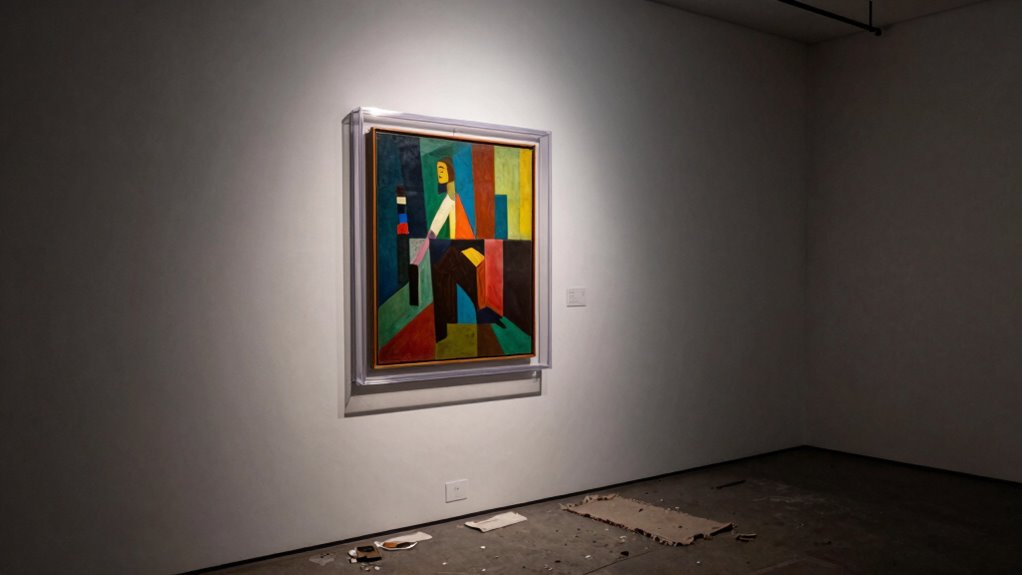

Poor framing and inadequate documentation can really cheapen your art. When you choose low-quality frames or mats, it detracts from the piece’s appeal. Skimping on glass can make it look unprofessional, too. Neglecting proper documentation not only reduces credibility but also risks the artwork’s value. You want to guarantee everything aligns with the art’s style and quality. Discover more about how to elevate your presentation and protect your investment.

Get the latest gadgets delivered free — and shop member deals
- Fast, free delivery on millions of items
- Access to Prime Big Deal Days deals on October 6–7
- Prime Video, Amazon Music and more included
Key Takeaways
- Using low-quality frames or mismatched styles can significantly diminish the perceived value of artwork.
- Opting for cheap, non-archival glass risks long-term damage and creates a low-quality appearance.
- Choosing low-quality or acidic mat boards can lead to discoloration and an unprofessional look.
- Neglecting proper documentation and handling can reduce artwork’s credibility and long-term value.
- Failing to select appropriate preservation materials can compromise artwork’s condition and vibrancy over time.
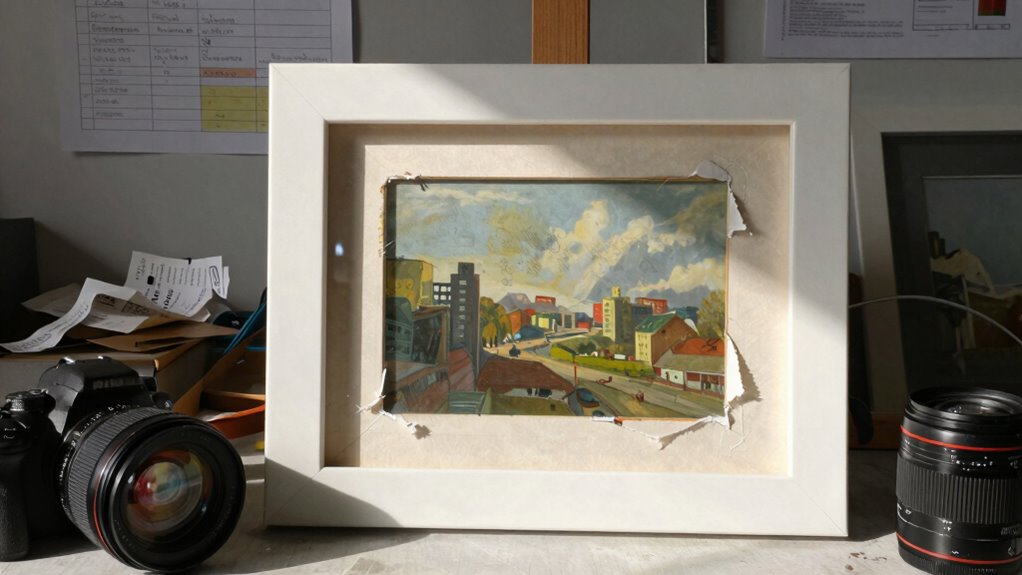
When you’re showcasing your artwork, it’s easy to overlook the essential details of framing and documentation. You might focus solely on the piece itself, but the way you frame it can greatly impact how viewers perceive its value. One common mistake is skimping on glass selection. Choosing the right glass isn’t just about aesthetics; it also protects your artwork from dust, UV rays, and other environmental factors. If you opt for cheap, non-archival glass, you risk not only diminishing the artwork’s value but also causing long-term damage. Instead, consider using UV-filtering glass or acrylic, which can enhance the visual appeal while safeguarding the piece.
Another frequent oversight is the choice of mat board. While it may seem like a minor detail, the right mat can elevate your artwork, providing a visual buffer that draws the eye in. If you go for a low-quality mat board, you might inadvertently create a look that feels cheap and unprofessional. Acid-free mat boards are essential for preserving your art. They prevent discoloration and degradation over time, keeping your work looking fresh and vibrant. A well-chosen mat not only complements the colors and style of your artwork but also gives it a polished finish. Additionally, understanding content preservation can guide you in selecting materials that ensure your art remains in excellent condition over time. Paying attention to proper framing techniques can also help avoid common mistakes that diminish an artwork’s perceived value. Moreover, proper documentation procedures can add credibility and increase the long-term value of your artwork. Proper art handling practices are equally important to prevent accidental damage during display or transportation.
archival UV protection glass for artwork
As an affiliate, we earn on qualifying purchases.
As an affiliate, we earn on qualifying purchases.
Frequently Asked Questions
How Do I Choose the Right Color for My Frame?
To choose the right color for your frame, consider frame color psychology. Think about how different colors evoke emotions; for instance, blue can create calmness, while red energizes. Look for complementary hues that enhance your artwork. If your piece has warm tones, a neutral or contrasting frame might work best. Don’t be afraid to experiment with different colors to see what truly makes your art pop and resonates with your personal style.
What Materials Should I Avoid for Framing?
When framing your artwork, think of it as dressing a fine wine in a plastic cup. You’ll want to avoid cheap materials like flimsy particle board or thin acrylic, which can undermine your piece’s value. Instead, embrace sturdy wood and glass for durability. By using quality framing techniques, you elevate your art, ensuring it shines rather than gets lost in a shoddy presentation. Choose wisely, and let your art speak volumes!
How Can I Protect My Artwork From UV Damage?
To protect your artwork from UV damage, choose glass options like UV-filtering acrylic or museum glass. These materials block harmful rays while preserving clarity. Use framing techniques that include backing boards made from acid-free materials to enhance longevity. Additionally, consider conservation tips like hanging your art away from direct sunlight and using curtains or shades to minimize exposure. By following these steps, you’ll guarantee your artwork stays vibrant for years to come.
Is There a Standard Size for Art Frames?
Absolutely, there’s a variety of standard sizes for art frames! Depending on your art style, you’ll often find common frame dimensions like 8×10, 11×14, and 16×20 inches. These sizes create a harmonious home for your artwork, enhancing its elegance. Remember, the frame should complement your piece without overshadowing it. So, when choosing, think about the balance between the frame size and your art style to truly showcase your masterpiece!
What Is the Best Way to Clean Framed Art?
To clean framed art, start by dusting the frame gently with a microfiber cloth. For tougher spots, use a cleaning solution specifically designed for frames, avoiding harsh chemicals. Dampen a cloth with the solution, and wipe it carefully, steering clear of the artwork itself. Regular frame maintenance tips include checking for moisture and using UV-protective glass to minimize fading. These steps keep your art looking vibrant and well-preserved.
acid-free mat board for framing art
As an affiliate, we earn on qualifying purchases.
As an affiliate, we earn on qualifying purchases.
Conclusion
To sum up, paying attention to framing and documentation can elevate your art’s perceived value. You might think that investing in high-quality frames and proper documentation is unnecessary, but these elements are essential for showcasing your work effectively. They not only protect your art but also enhance its visual impact and marketability. By avoiding common mistakes, you can present your pieces in a way that truly reflects their worth, making them more appealing to potential buyers and viewers alike.
As an affiliate, we earn on qualifying purchases.
artwork documentation preservation supplies
As an affiliate, we earn on qualifying purchases.
As an affiliate, we earn on qualifying purchases.
Halloween Picks
halloween
As an affiliate, we earn on qualifying purchases.