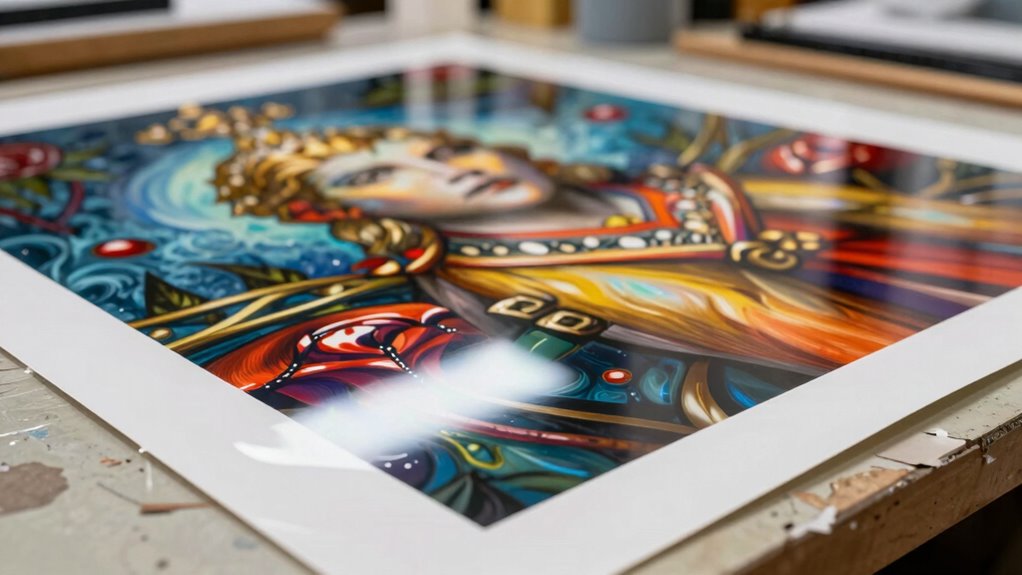

Laminating prints can protect artwork from damage, spills, and fading, making it ideal for frequently handled or valuable pieces. However, it can also cause irreversible harm if the materials are sensitive or if the lamination isn’t applied properly—like bubbling, warping, or discoloration. It’s best suited for sturdy, non-vintage prints, but if you want to know precisely when it helps or hurts your art, keep exploring the details.
Key Takeaways
- Laminating preserves prints by protecting them from spills, tears, fading, and dirt, extending their lifespan when used correctly.
- It can damage delicate or vintage artwork due to heat, adhesives, or inappropriate materials, leading to discoloration or warping.
- Proper preparation, such as cleaning and choosing the right lamination method, is essential to prevent bubbles, warping, or uneven coverage.
- Cold lamination is safer for sensitive prints, while thermal lamination provides a stronger seal for durable, non-sensitive materials.
- Not all prints benefit from lamination; evaluate material sensitivity and artistic details before applying to avoid unintended damage.
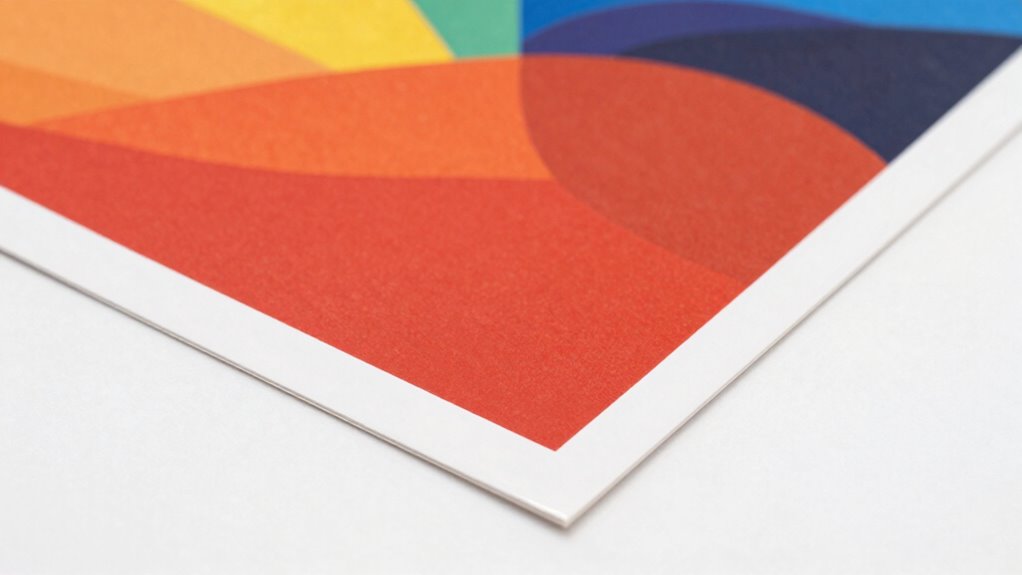
Laminating prints is a simple way to protect and enhance your documents, photos, and artwork. When you decide to laminate, you’re choosing to add a layer of plastic that guards against spills, tears, fading, and dirt. But not all lamination methods are created equal, and understanding the right lamination techniques can considerably impact the print durability of your items. If you use high-quality laminating pouches or films and follow proper application procedures, your print can last for years without deterioration. Conversely, poor lamination choices can lead to bubbling, warping, or even damaging the print itself.
To guarantee ideal print durability, you need to select the right lamination technique for your specific project. For example, thermal lamination involves heat to seal the plastic around your document. It provides a strong, seamless bond, making it perfect for items that will be handled frequently. Cold lamination, which uses adhesive-backed films, is better suited for delicate or heat-sensitive prints. Both methods, when applied correctly, can extend the lifespan of your prints, but improper technique—such as rushing the process or using the wrong equipment—can cause issues like air bubbles or uneven coverage, compromising both appearance and durability.
Choosing the right lamination method ensures your print’s durability and professional appearance.
Another key factor in preserving your prints through lamination is guaranteeing proper preparation before applying the film. Make sure your print is clean, dry, and free of debris, as dust or fingerprints can get trapped during lamination, leading to imperfections. When using lamination techniques, always pay attention to the edges and corners, pressing out air pockets and ensuring full adhesion. Using a lamination machine with adjustable temperature and pressure settings helps achieve a smooth, bubble-free finish, which is essential for maintaining print quality over time. Proper surface preparation is crucial to prevent issues such as peeling or bubbling that can weaken the laminated layer.
While lamination considerably boosts print durability and offers a professional look, it’s not always suitable for every type of artwork or document. For example, certain vintage or sensitive materials might suffer damage or discoloration when laminated, especially if exposed to heat or adhesives that react with the paper or ink. Additionally, overly thick or glossy laminates can obscure fine details or alter the visual appeal of your artwork. Therefore, assess the nature of your print and consider whether lamination will preserve or hinder its integrity.
Frequently Asked Questions
How Long Does Laminated Art Typically Last?
Laminated art can last anywhere from 10 to 20 years if you choose high-quality materials. Durability concerns include exposure to sunlight, heat, and moisture, which can cause peeling or yellowing over time. Keep in mind the environmental impact, as lamination is not always eco-friendly. To prolong its lifespan, store it away from direct sunlight and humidity, and consider eco-conscious laminating options.
Can Lamination Be Removed Without Damage?
You can remove lamination without damage using gentle removal techniques and careful adhesive removal. Start by warming the lamination with a hairdryer to soften the adhesive, then slowly peel it back using your fingers or a plastic scraper. If adhesive remains, apply a small amount of rubbing alcohol or adhesive remover around the edges, then gently wipe it away. Patience and gentle handling are key to avoiding damage.
Is Lamination Suitable for All Types of Prints?
Lamination isn’t suitable for all types of prints if you want proper print preservation. It works best on certain materials like photographs or documents that benefit from added durability and aesthetic enhancement. However, it can damage delicate or textured prints, causing warping or color changes. Before laminating, consider your print’s material and purpose, and test on a small area if unsure. This guarantees your artwork’s longevity without risking damage.
Does Lamination Affect the Print’s Color Accuracy?
Lamination acts like a mirror, reflecting your artwork’s true colors or distorting them with a subtle color shift. A gloss finish can enhance vibrancy but risks altering hues slightly, making colors appear more vivid or washed out. While some prints retain their color accuracy, others may experience minor changes. You should test a small section first to see if the gloss finish affects your print’s true essence before laminating the entire piece.
What Are Eco-Friendly Lamination Options Available?
You can choose eco-friendly lamination options like biodegradable films and plant-based adhesives. These alternatives minimize environmental impact while protecting your prints. Biodegradable films break down naturally over time, reducing waste, and plant-based adhesives avoid harmful chemicals found in traditional options. By selecting these, you help preserve the planet without sacrificing the durability and clarity you need for your artwork. Always check product labels to make sure they meet eco-friendly standards.
Conclusion
Think laminating always protects your art? Not quite. While it can shield prints from wear and tear, some believe it might trap moisture or cause damage over time. The truth is, with the right materials and proper technique, laminating can preserve your artwork beautifully. But if you rush or use cheap supplies, you might do more harm than good. So, weigh the risks and benefits carefully—your art’s future could depend on it.