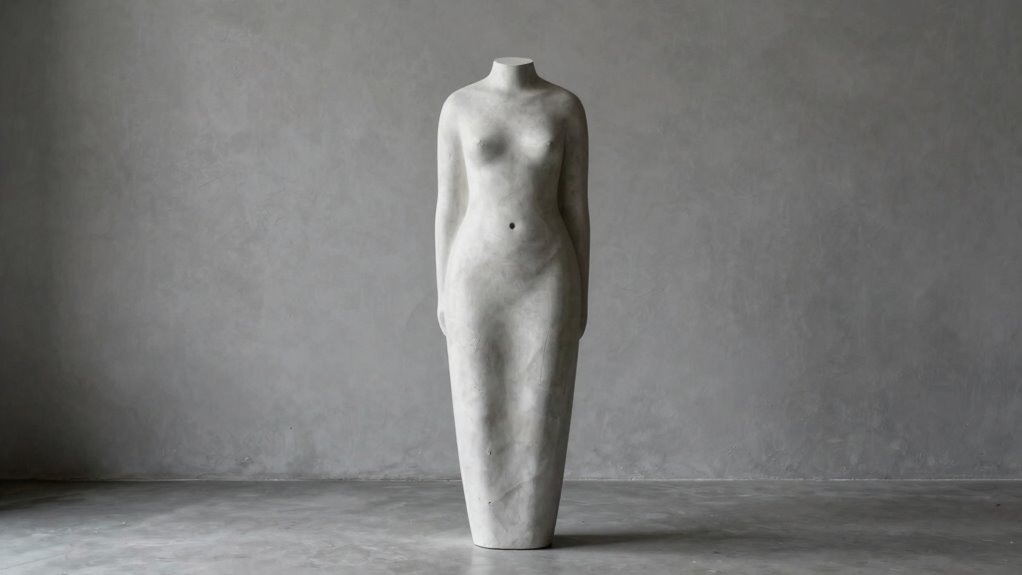

Restraint in art helps you focus on what truly matters by eliminating unnecessary details, making the message more direct and emotionally impactful. When you limit colors, shapes, or complexity, each element stands out and resonates more deeply. This creates a sense of calm, vulnerability, and engagement that draws viewers in. By harnessing restraint, you can craft works that are both powerful and memorable—if you explore further, you’ll discover how less can truly become more.

Get the latest gadgets delivered free with Prime
- Fast, free delivery on millions of items
- Prime Video, Amazon Music and more included
- Member-only deals all year
Key Takeaways
- Restraint directs focus to essential elements, amplifying emotional resonance.
- Limiting details allows viewers to engage more deeply and interpret the artwork personally.
- Simplicity creates a sense of calm and stillness, heightening emotional impact.
- Carefully chosen colors and forms evoke stronger feelings through deliberate use of space.
- Restraint demonstrates mastery and intention, making the artwork more compelling and memorable.
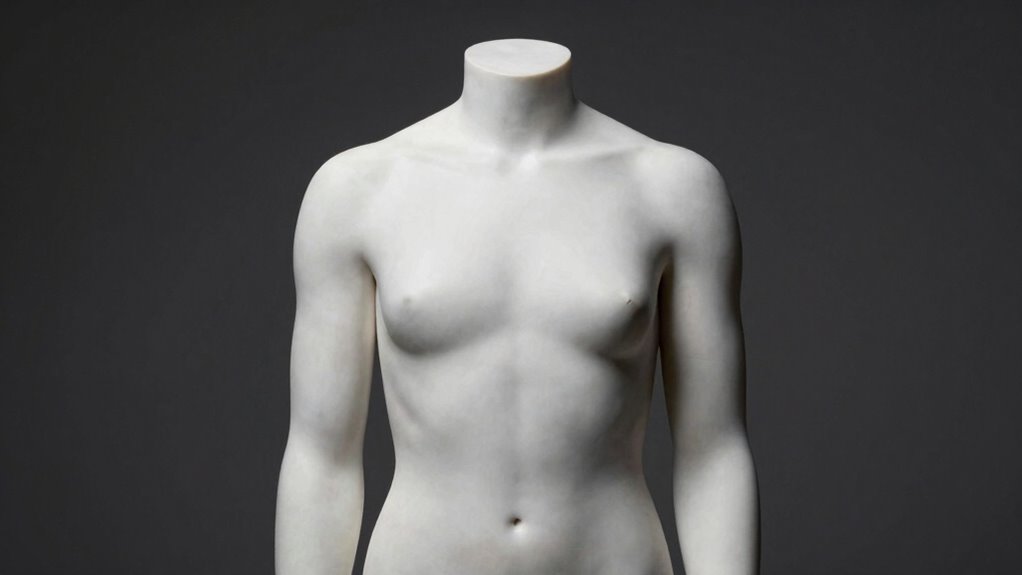
Have you ever noticed how some of the most powerful artworks rely on simplicity rather than complexity? It’s true. When an artist chooses restraint, they often create pieces that resonate more deeply. Instead of overwhelming you with details, they focus on essential elements that speak directly to your emotions. One way they do this is through a carefully considered color palette. Limiting the number of colors can make each hue more impactful, drawing your eye to key areas and creating a sense of harmony. Bright, bold colors used sparingly can evoke strong feelings, while muted tones can foster calm or introspection. This simplicity in color choice allows the viewer to connect on a more emotional level, emphasizing what truly matters in the artwork.
Restraint also enhances emotional depth. When an artist avoids clutter and overstatement, they invite you to look beneath the surface. Their subtle use of lines, shapes, or empty space can create a sense of vulnerability or intimacy. You might find yourself contemplating what’s left unsaid, feeling the weight of silence or stillness. The absence of unnecessary details forces you to focus on what’s truly important, making the emotional message more profound. In this way, less becomes more, and the power of the piece lies in what’s implied rather than explicitly shown. Additionally, artistic restraint fosters a sense of authenticity that can make the work more relatable and impactful.
By employing restraint, artists encourage you to engage more actively with the work. You become part of the dialogue, filling in the gaps with your own feelings and interpretations. This participatory experience deepens emotional impact and makes the artwork feel more personal. When there’s less distraction, your attention is drawn to the core message. Whether it’s a simple portrait with a limited color palette or a minimalist landscape emphasizing space and light, the power comes from the clarity and honesty of the composition.
Ultimately, restraint in art isn’t about deprivation; it’s about precision. It’s a deliberate choice to strip away excess and focus on what truly moves you. When an artist exercises control over their tools—color, form, and space—they craft work that is both elegant and emotionally resonant. You’re more likely to feel the intensity of their message because it’s delivered with purpose and clarity. In the end, restraint becomes a form of strength, making art that lingers long after you’ve looked away.
As an affiliate, we earn on qualifying purchases.
Frequently Asked Questions
How Does Restraint Influence Viewer Emotional Response?
Restraint heightens your emotional response by creating a sense of mystery and anticipation. When an artwork limits details, it invites you to fill in the gaps, deepening emotional depth. This restraint keeps you engaged, encouraging personal interpretation and reflection. As a viewer, you become more emotionally invested because the simplicity or minimalism pushes you to connect on a deeper level, making the overall experience more impactful and memorable.
Can Restraint Be Used Effectively Across All Art Mediums?
You can use restraint effectively across all art mediums by employing minimalist techniques and color restraint. In painting, limiting color palettes emphasizes form and emotion; in sculpture, simple shapes focus attention. Photography benefits from minimalism to highlight subject matter, while digital art can use sparse design for impact. Restraint guides viewers to connect deeply with your work, making it more powerful regardless of medium.
What Are Examples of Restrained Art in History?
You can see restrained art in history through Minimalism, like Donald Judd’s geometric sculptures that use simple forms and limited colors, emphasizing material and space. Subtlety is key in works like Vermeer’s paintings, where delicate details evoke emotion without excess. These artists demonstrate how restraint enhances depth, inviting viewers to engage more thoughtfully. Restraint in art highlights core ideas, making the experience more powerful and focused.
Does Restraint Limit Artistic Creativity or Enhance It?
Restraint doesn’t limit your artistic creativity; it sharpens it, like a sword honed by boundaries. When you set artistic boundaries, you challenge yourself to explore deeper, more meaningful free expression. Constraints push you to innovate within limits, making your work more powerful and focused. Embracing restraint transforms potential chaos into compelling art, proving that sometimes, less truly is more, and restraint becomes your greatest tool for authentic expression.
How Do Artists Develop Restraint in Their Work?
You develop restraint by practicing minimalist techniques and embracing subtle color palettes, which help you focus on essential elements. By consciously limiting your tools and choices, you learn to communicate more powerfully with less. You can challenge yourself to create impactful work using fewer details, allowing the viewer’s imagination to fill in the gaps. Over time, this disciplined approach sharpens your artistic voice and deepens the emotional resonance of your work.
limited color palette acrylic paints
As an affiliate, we earn on qualifying purchases.
As an affiliate, we earn on qualifying purchases.
Conclusion
As you step back and strip away the excess, what remains is suddenly more vivid, more intense. Restraint sharpens your focus, drawing attention to the subtle details others might overlook. Imagine a painting where every stroke is deliberate—each one holding a secret power. When you embrace restraint, you unveil a quiet strength that pulls viewers in, making the art not just seen, but felt. And just as you think you’ve understood it, something else emerges, waiting to be discovered.
As an affiliate, we earn on qualifying purchases.
As an affiliate, we earn on qualifying purchases.
Halloween Picks
halloween
As an affiliate, we earn on qualifying purchases.