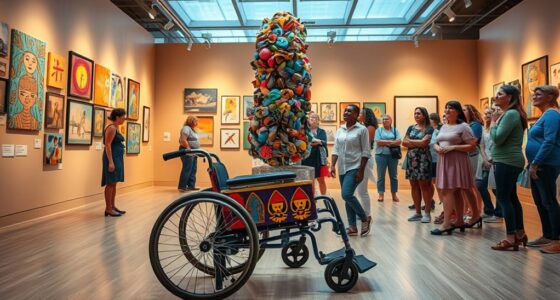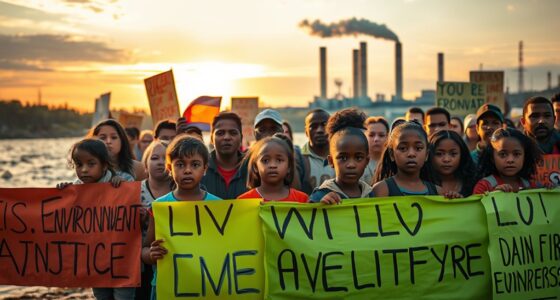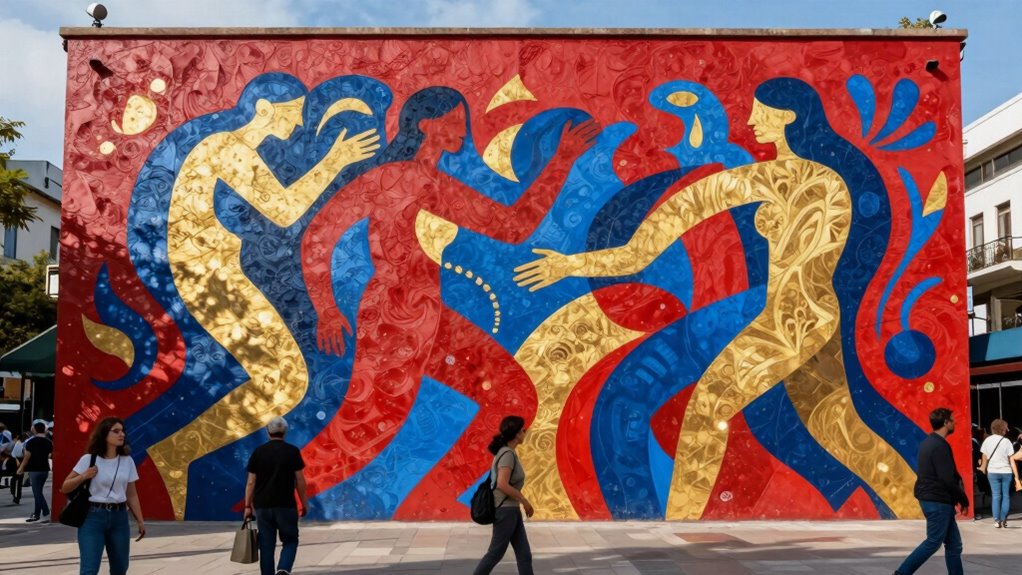

Public art transforms civic conversations by visually sharing community stories, values, and issues, allowing you to engage without words. Through murals and symbolic displays, it creates spaces that inspire reflection, challenge assumptions, and foster unity. You’ll notice how these artworks act as silent but powerful catalysts for social change, encouraging emotional connections and inclusivity. As you explore further, you’ll uncover even more ways public art shapes meaningful dialogues within communities.
Key Takeaways
- Public art uses visual storytelling to evoke emotional responses and provoke reflection without relying on words.
- It fosters community engagement, allowing diverse voices to be represented through participatory creation.
- Murals and installations transform passive spaces into active forums for civic dialogue and social awareness.
- Artworks serve as symbols of resilience, uniting communities during times of conflict or social change.
- Visual public art promotes holistic understanding of interconnected social issues, encouraging collaborative solutions.

Public art has the power to spark dialogue and foster community identity, transforming public spaces into platforms for civic conversation. When you walk past a mural, sculpture, or installation, you’re not just observing art—you’re engaging with the stories and values of the community. Public art invites you to reflect on local history, shared struggles, or cultural traditions without uttering a word. It acts as a visual language that connects residents, visitors, and policymakers alike, creating a sense of unity and shared purpose.
Public art transforms spaces into dialogues that reflect community stories and foster unity without words.
By integrating community engagement into public art projects, you help deepen the connection between the artwork and the people it represents. When community members participate in creating or choosing public art, they see their cultural identity reflected in the final piece. This inclusivity builds a collective sense of ownership and pride, making civic conversation more meaningful and authentic. It’s not just about aesthetic appeal; it’s about representing diverse voices, histories, and perspectives. When public art embodies the cultural identity of a community, it becomes a powerful tool for fostering understanding and empathy among different groups.
Public art also changes the way you perceive civic spaces. Instead of passive environments, these spaces become dynamic arenas for dialogue. A mural depicting local history or social issues prompts you to think about ongoing conversations within the community. It may challenge your assumptions, inspire action, or simply encourage you to consider different viewpoints. In this way, art becomes a catalyst for civic conversation that doesn’t rely on words but on shared understanding and emotional resonance. Additionally, visual storytelling enhances community engagement by making complex issues more accessible and relatable. These artworks can serve as catalysts for social change, encouraging communities to reflect and act on pressing issues. Incorporating participatory design approaches can further deepen this connection by involving community members directly in the creative process.
Furthermore, public art can serve as an unifying symbol during times of change or conflict. When communities face social or political upheaval, murals or statues can stand as silent witnesses to resilience and hope. They offer a safe space for reflection and dialogue, even when verbal communication is difficult or strained. As you encounter these works, you’re reminded that conversations about identity, justice, and belonging happen not only in meetings or debates but also through the visual language of public art. Recognizing the social impact of these works helps foster a more inclusive and empathetic community dialogue.
Public art also encourages the use of systems thinking in civic spaces, helping communities see the interconnectedness of social issues and cultural expressions. This approach fosters a more holistic understanding of community challenges and promotes collaborative solutions. Ultimately, public art shapes civic conversation by making it accessible, inclusive, and emotionally impactful. It invites you to participate in a collective narrative that transcends words, allowing communities to express their cultural identity and engage in ongoing dialogue—simply through the power of visual storytelling.

Rainguard Mural Guard – Advanced Water-Based Two-Part Varnish for Protecting Murals and Public Art Against UV Rays, Graffiti and Corrosion, Clear Matte Finish, 1 Gallon
Protect your project from damage caused by spray paint, marker, pen, and some types of glue.
As an affiliate, we earn on qualifying purchases.
As an affiliate, we earn on qualifying purchases.
Frequently Asked Questions
How Does Public Art Influence Individual Perceptions of Civic Identity?
Public art influences your perception of civic identity through visual symbolism and cultural resonance. When you encounter murals or sculptures, they often reflect shared values or history, shaping your sense of belonging. These artworks serve as visual cues, reinforcing community identity and fostering pride. As a result, you see yourself as part of a larger civic narrative, deepening your connection to the place and its collective story without needing words.
Can Public Art Inspire Policy Changes Within Communities?
Yes, public art can inspire policy changes within communities by acting as a form of art and activism. When you see culturally symbolic pieces that resonate with community issues, they spark conversations and awareness. These visual expressions motivate residents and policymakers to advocate for change, making art a powerful catalyst for civic engagement and policy reform. By highlighting shared values and concerns, public art encourages actionable community-driven solutions.
What Funding Sources Support Public Art Projects Aimed at Civic Engagement?
You can access funding for civic engagement-focused public art through private donations and corporate sponsorships. Private donors often support community projects that resonate with their values, while corporations may sponsor public art to boost their community profile and demonstrate social responsibility. Both sources provide essential financial backing, enabling artists and communities to create meaningful installations that stimulate civic conversations and foster a sense of shared identity.
How Do Communities Decide Which Messages or Themes to Express Through Public Art?
You decide which messages or themes to express through public art by engaging with your community’s cultural symbolism and stories. You gather input through surveys, public forums, and collaborations with local artists who understand these symbols. By focusing on visual storytelling, you guarantee the art resonates emotionally and culturally, fostering a sense of shared identity. This approach helps create meaningful, relevant public art that sparks civic conversations without words.
Are There Measurable Outcomes Demonstrating Public Art’s Impact on Civic Dialogue?
Like a well-placed mirror, public art reflects civic dialogue through measurable outcomes. You can see its impact in increased community engagement, heightened awareness, and shifts in public attitudes. Artistic ambiguity and visual symbolism often make this possible, sparking conversations that extend beyond words. Surveys, participation rates, and social media interactions serve as tangible evidence, showing how art influences civic perception and fosters ongoing dialogue in meaningful ways.
LIYAOLI 3D Metal Hummingbird Wall Art – Unique Black Outdoor Garden Decor, Waterproof Bird Sculpture for Patio, Living Room, Bedroom & Bathroom(12.3"x16.5")
Stunning Hummingbird Wall Art Decor: Featuring elegant 3D hummingbird motifs in minimalist line art, this metal wall decor…
As an affiliate, we earn on qualifying purchases.
As an affiliate, we earn on qualifying purchases.
Conclusion
You realize that public art acts like a silent conversation starter, inviting everyone to join in without a single word spoken. It’s like a mirror reflecting society’s hopes, fears, and dreams, shaping civic dialogue in vibrant colors and bold forms. When you see these works, you feel the pulse of the community, a shared heartbeat that transforms silent spaces into powerful forums for understanding. In this way, art quietly, yet profoundly, changes how we connect and converse.
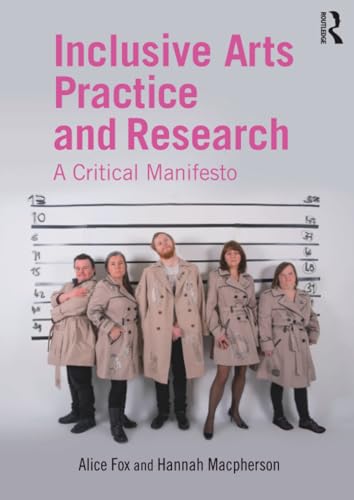
Inclusive Arts Practice and Research
As an affiliate, we earn on qualifying purchases.
As an affiliate, we earn on qualifying purchases.

Veemoon Creative Stereoscopic Paper Model Diy Geometric Origami Kit for Library Decoration Easy Assembly Iridescent Paper Art for Adults and Public Spaces
3d geometric origami–no need of scissors, just your hand and your head, easy to assemble,3d paper model
As an affiliate, we earn on qualifying purchases.
As an affiliate, we earn on qualifying purchases.