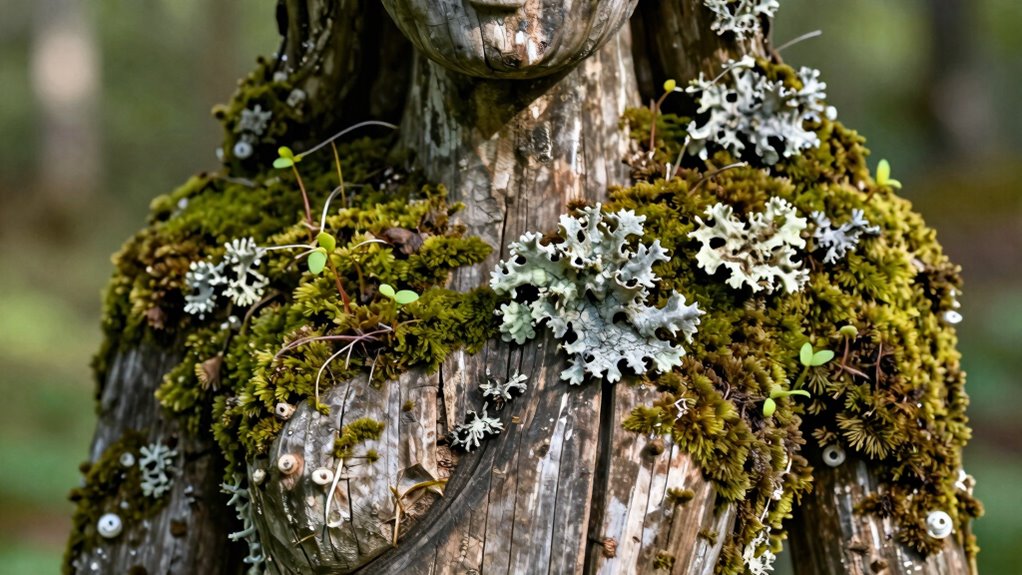

Living materials challenge traditional permanence by emphasizing growth, adaptability, and biological cycles rather than static durability. Instead of resisting change, they embrace ongoing transformation, self-repair, and biodegradability, aligning with natural environments. These materials blur the line between organic and synthetic, promoting sustainability through renewable processes. As you explore further, you’ll discover how this shift encourages innovative design approaches that prioritize resilience and harmony with nature over fixed longevity.
Key Takeaways
- Living materials are dynamic and adaptable, emphasizing growth and change over static endurance.
- They incorporate biological processes like self-healing and biodegradability, redefining durability.
- They blur the boundary between organic and synthetic, challenging fixed notions of permanence.
- These materials prioritize sustainability and ecosystem integration over long-lasting stability.
- Their ability to evolve and renew shifts focus from resisting change to embracing natural cycles.
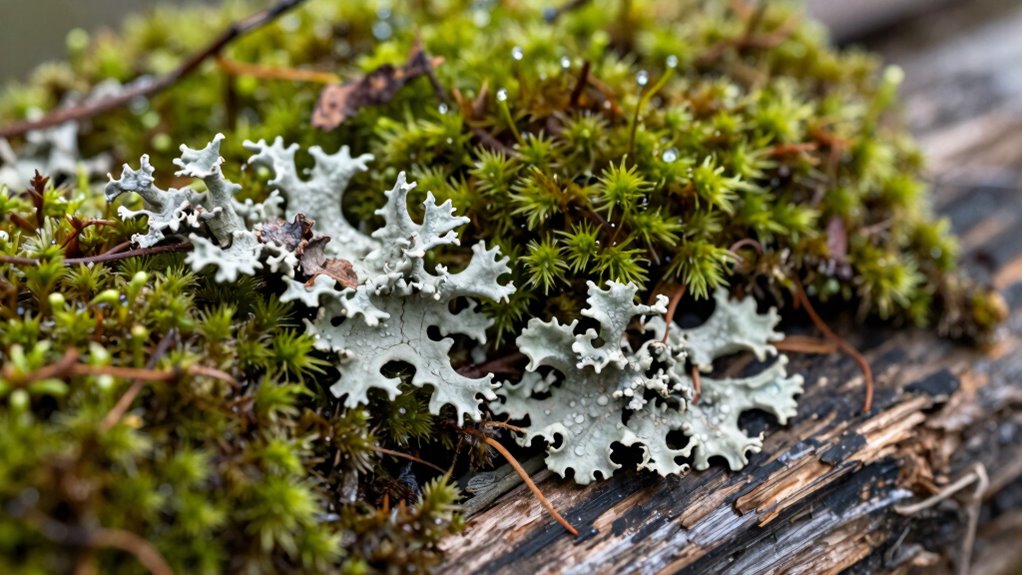
Living materials are transforming how we think about permanence, blurring the line between the organic and the synthetic. Instead of viewing materials as fixed, unchanging entities, you begin to see them as dynamic, capable of growth, change, and even self-repair. This shift challenges traditional notions that permanence means durability and resistance to decay. Instead, these materials embrace biodegradability innovation—designed to break down safely and naturally after fulfilling their purpose. You no longer have to worry about long-term waste or environmental harm because these materials are built with the environment in mind. As they degrade, they return to the soil, completing a cycle that’s more in tune with natural processes.
Living materials redefine permanence through growth, self-repair, and natural biodegradability, fostering sustainable, adaptable design.
This evolution in material science encourages adaptive design—materials that respond to their environment or user needs. Imagine a building material that adjusts to temperature fluctuations, improving energy efficiency without manual intervention. Living materials can be programmed or naturally evolve to meet changing conditions, making permanence more about sustainability and resilience than mere longevity. This approach radically alters how you might think about permanence: it’s no longer about resisting decay but about integrating change into the life cycle of the material. Such adaptive design makes structures and products more flexible, capable of evolving over time instead of becoming obsolete or wasteful. Biological processes play a key role in enabling these capabilities, fostering a deeper understanding of how life-inspired solutions can be harnessed in design.
Furthermore, living materials redefine durability as a form of ongoing renewal. When you incorporate biological components, the materials can heal themselves after damage, extending their functional lifespan. This self-healing capability exemplifies a new kind of permanence—one rooted in continuous renewal rather than static endurance. As the boundaries between the living and non-living blur, you realize that permanence can be reimagined as an ongoing process of adaptation and transformation. This perspective fosters innovation, encouraging you to develop solutions that are not only sustainable but also inherently capable of evolving with their environment. Additionally, the integration of biological systems in materials highlights the importance of biodegradability in creating truly sustainable solutions. Understanding how biological processes contribute to biodegradability can help in designing materials that naturally and safely break down after use. Incorporating biological components also opens new pathways for biological integration, allowing materials to seamlessly interact with living ecosystems.
A further implication is that such materials may reduce reliance on finite resources, promoting a shift towards renewable materials that are part of the natural cycle. In essence, living materials challenge your traditional expectations by shifting the focus from resisting change to embracing it. Their biodegradability innovation ensures they don’t leave lasting waste, while their adaptive design allows them to respond to and integrate with their surroundings. This fresh outlook on permanence opens new pathways for sustainable development, where the lifecycle of materials becomes a natural, continuous flow rather than a finite endpoint. You’re invited to see materials not as static objects but as living systems that grow, adapt, and ultimately, redefine what it means to be permanent.
As an affiliate, we earn on qualifying purchases.
Frequently Asked Questions
How Do Living Materials Repair Themselves Over Time?
Living materials repair themselves through natural self-healing processes that activate when damage occurs. Their regenerative capabilities allow them to restore structural integrity by mobilizing internal resources, such as cells or embedded healing agents. You’ll notice cracks or fractures automatically repair over time, as these materials respond dynamically to injury. This self-sustaining ability challenges traditional ideas of permanence, showcasing how living materials adapt and heal, maintaining functionality and longevity naturally.
What Are the Environmental Impacts of Living Materials?
Imagine living materials as nature’s gentle whispers, shaping your environment softly. Their biodegradability means they return to the earth, minimizing waste and pollution. By supporting ecological balance, they can reduce reliance on non-renewable resources, fostering healthier ecosystems. However, if not managed properly, they might introduce invasive species or disrupt native habitats. Overall, living materials hold the promise of harmony with nature when used thoughtfully, nurturing our planet’s delicate balance.
Can Living Materials Be Fully Recycled or Reused?
Yes, living materials can often be fully recycled or reused through biodegradable composites and regenerative design. You can break them down naturally, allowing the materials to return to the environment without harmful waste. By designing with regenerative principles, you guarantee these materials can be continually replenished and reused, reducing waste and supporting sustainability. This approach challenges traditional permanence, emphasizing a cycle of renewal and eco-friendly reuse.
How Do Living Materials Adapt to Changing Environments?
You might think living materials are fragile, but they actually display remarkable biological resilience through adaptive growth. When environments change, these materials adjust by evolving their structure or function, ensuring survival. This natural flexibility allows them to thrive amid shifting conditions, challenging the idea of permanence. So, rather than being static, living materials dynamically respond and adapt, proving that permanence isn’t necessary for durability and continued usefulness.
Are There Ethical Concerns With Using Living Materials?
Yes, there are ethical concerns with using living materials. You might worry about genetic modification, which raises questions about altering natural organisms and potential unintended consequences. Bioethics guides these debates, emphasizing responsible use and considering impacts on ecosystems, human health, and future generations. You should weigh the benefits of innovative living materials against moral implications, ensuring that scientific advancements respect ethical boundaries and promote sustainable, responsible development.
biodegradable construction materials
As an affiliate, we earn on qualifying purchases.
As an affiliate, we earn on qualifying purchases.
Conclusion
Imagine building a house from living trees that grow and adapt with the environment, rather than static bricks. Living materials challenge your idea of permanence—they’re constantly evolving, healing, and reshaping themselves. Just as a forest endures and transforms over centuries, these materials remind you that impermanence isn’t weakness but resilience. Embracing this shift means seeing sustainability not as static stability, but as a dynamic dance with nature’s ever-changing, vibrant life.
living materials for sustainable design
As an affiliate, we earn on qualifying purchases.
As an affiliate, we earn on qualifying purchases.
As an affiliate, we earn on qualifying purchases.