
AI is transforming motion graphics by automating tasks like rigging and color correction, saving you time and reducing errors. It analyzes models quickly, helping you create immersive visuals with less effort. AI also guarantees consistent color and lighting across scenes, boosting quality and style. This technology streamlines workflows, letting you focus on creativity and storytelling. Keep exploring to discover how these innovations can elevate your animation projects even further.
Key Takeaways
- AI automates character rigging, speeding up animation production and reducing human error.
- It enhances animation content creation, enabling faster delivery of diverse styles and high-quality visuals.
- AI-driven color correction maintains scene consistency and elevates aesthetic appeal efficiently.
- Integrating AI tools streamlines workflows, improves quality, and reduces overall production costs.
- Ongoing AI advancements empower artists to create more immersive, innovative, and visually captivating motion graphics.
Have you ever wondered how artificial intelligence is transforming animation today? It’s revolutionizing the way creators bring characters and scenes to life, making processes faster, smarter, and more precise. One of the most noticeable changes is in character rigging. Traditionally, rigging involves manually creating a skeletal structure that allows a character to move naturally. Now, AI automates much of this work, analyzing character models and generating rigs almost instantly. This not only accelerates production timelines but also reduces the chance of human error, resulting in smoother, more realistic animations. AI-driven rigging tools learn from vast datasets, enabling them to adapt to different character designs and styles, whether it’s a cartoonish figure or a hyper-realistic human. This means artists can focus more on creativity and storytelling rather than getting bogged down in technical details. Additionally, AI enhances the ability to generate animated content with greater efficiency and consistency, further transforming the industry.
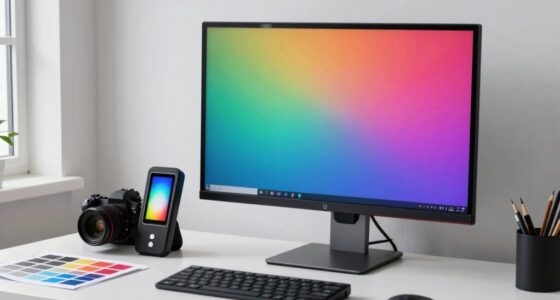
Color correction is another area where AI makes a significant impact. Achieving the right color balance, tone, and mood can be time-consuming, especially when working on complex scenes or sequences. AI-powered color correction tools analyze each frame and intelligently adjust colors to ensure consistency across shots. They can mimic the style of classic films or create entirely new looks with minimal input from artists. This capability helps maintain visual coherence and enhances the overall aesthetic. Plus, AI can automatically detect and fix issues like lighting inconsistencies or color spills, saving hours of manual tweaking. As a result, productions can deliver visually stunning results faster, with a higher level of polish.
What’s thrilling is how these AI advancements complement each other in animation pipelines. For example, once a character is rigged efficiently through AI, animators can focus on performance and expression, knowing the underlying structure is optimized. Meanwhile, AI-driven color correction ensures each scene flows smoothly, maintaining the intended mood and style. These tools work together to streamline workflows, reduce costs, and elevate the quality of animated content. As AI continues to evolve, expect even smarter algorithms capable of handling more complex tasks, from facial animation to environmental effects. This ongoing innovation empowers artists to push creative boundaries, delivering more immersive and visually enthralling animations than ever before. So, whether you’re a seasoned animator or just starting out, embracing AI technologies can transform your approach, making the art of animation more efficient, expressive, and exciting.
Frequently Asked Questions
How Does AI Improve Animation Workflow Efficiency?
AI improves your animation workflow efficiency by automating repetitive tasks, allowing you to focus on the creative aspects. It speeds up processes like rendering, rigging, and editing, reducing turnaround times. Additionally, AI enhances creative collaboration by providing real-time feedback and suggestions, making teamwork smoother. This combination of automation efficiency and collaborative tools helps you produce high-quality animations faster and more effectively, saving you time and boosting your productivity.
What Ethical Considerations Arise From Ai-Generated Animations?
You should consider ethical issues like AI bias, which can perpetuate stereotypes or unfair representations, and intellectual property concerns, as AI-generated animations might infringe on artists’ rights or original works. It’s vital to guarantee transparency in AI use, respect creators’ rights, and address potential biases. By doing so, you can foster responsible innovation and maintain trust with your audience, avoiding legal and ethical pitfalls.
Can AI Fully Replace Human Animators in the Future?
The writing’s on the wall—AI can’t fully replace human animators anytime soon. While AI creativity advances rapidly, it lacks human intuition and emotional depth that breathe life into animations. You’ll still need talented artists to add nuance, storytelling, and personal flair. AI tools are great assistants, but they can’t replicate the spark of genuine human insight, making your role irreplaceable in creating compelling, heartfelt motion graphics.
How Accessible Are AI Tools for Independent Creators?
AI accessibility for independent creators is improving rapidly, making powerful tools more available than ever. You can now access user-friendly AI software that simplifies complex animation tasks, saving you time and effort. While some advanced features may require a subscription or learning curve, many AI tools are affordable and designed for creators like you. This democratizes animation, enabling independent creators to produce high-quality motion graphics without needing a big team or extensive resources.
What Are the Limitations of Current AI Animation Technologies?
Did you know that over 60% of AI animation projects still face challenges? Current AI animation technologies struggle with complex movements, fine details, and realistic textures. Machine learning models often produce stiff or unnatural motion, limiting creative collaboration. While AI accelerates workflows, you might find it less effective for nuanced storytelling. These limitations mean you’ll still need human input to achieve truly compelling, lifelike animations.
Conclusion
As you step into the future of animation, AI is the brush that paints vibrant new worlds, transforming static images into living, breathing stories. It’s like handing your creativity a rocket fuel boost, propelling your ideas beyond imagination’s horizon. Embrace these tools, and you’ll find your motion graphics not just evolving, but exploding with life and innovation. The canvas is yours—let AI be the wind beneath your creative wings.