📊 Full opportunity report: A Risk-Flag Checklist For AI-Coded Bookkeeping Reviews on IdeaNavigator AI — validation score, market gap, and execution plan.

Get the latest gadgets delivered free with Prime
- Fast, free delivery on millions of items
- Prime Video, Amazon Music and more included
- Member-only deals all year
TL;DR

IdeaNavigator AI proposes a risk-flag review layer for accounting firms using automated transaction categorization. The concept would prioritize transactions with potential warning signs instead of requiring staff to recheck every entry, but it remains a proposed workflow, not a reported product or validated system.
IdeaNavigator AI has proposed a risk-flag review layer for bookkeeping firms that use AI to categorize transactions, aiming to direct staff toward entries that may be misclassified rather than requiring a full manual recheck. The proposal describes a QuickBooks- or Xero-connected queue and a test using three firms’ prior-quarter ledgers, but provides no results showing that the workflow has been built or validated.
The proposed tool would assign risk signals to incoming transactions and surface entries for review when details appear unusual. Examples include an uncommon vendor-category pairing, a mismatch between a transaction amount and its supporting document, or spending that appears personal and may have been booked as a business expense. Each flagged item would be shown with its source document and a plain-language explanation of the reason for review.
The suggested first version would aim to flag about 10% of transaction volume, rather than send every entry through another human review. That figure describes the proposed workflow, not an established performance result. The idea’s suggested validation standard is to run the scoring system retroactively on the previous quarter’s ledgers from three firms, then compare confirmed miscodings with the number of flags raised. A strong signal, according to the proposal, would be catching most known errors while flagging under 15% of transactions.
The intended buyers are partners or operations leads at bookkeeping and client accounting services firms that already use AI categorization tools. The proposed business model is monthly pricing per client ledger, benchmarked against review hours saved. No pricing, integration details, named customers, product release, or measured time savings are provided.
A Risk-Flag Checklist For AI-Coded Bookkeeping
IdeaNavigator AI proposes a review queue for transactions that may be misclassified. It is a suggested workflow, not a validated product.
What May Trigger Review
A flag points to a possible issue; it does not confirm an error.
Unusual vendor match
A subscription categorized as fuel could prompt a closer look.
Amount mismatch
The transaction amount may not match its supporting document.
Possible personal expense
Owner spending booked as a business expense may need review.
Proposed Review Flow
The concept would add a targeted queue to AI-assisted categorization.
Look for warning signs in incoming entries.
Display each item with its source document and a plain-language reason.
Direct attention to possible miscodings instead of rechecking every entry.
How the Idea Would Be Tested
The suggested trial would score the previous quarter’s ledgers from three firms.
- Compare flags with confirmed miscodings
- Report the share of transactions flagged
- Track known errors the system misses
- No trial results or schedule
- No measured accuracy or time saved
- No confirmed product or firm participants
Reducing Review Without Missing Errors
The proposal addresses a practical tension for firms adopting automated bookkeeping: faster categorization does not itself confirm that a transaction is correctly coded. A clean-looking entry can still carry the wrong label, and rechecking every transaction may reduce the labor savings that automation is meant to provide. A targeted queue could, if it works as intended, focus staff attention on entries with stronger warning signs.
For firms, the central question is not just how many transactions the system flags, but whether it catches errors that matter without creating an unmanageable volume of false alarms. Missed errors can affect the quality of a client’s books and may require correction during later accounting or tax work. At the same time, excessive flags could reproduce the review burden the tool is supposed to reduce. The suggested test therefore puts error detection and review volume at the center of validation.
Those possible benefits remain conditional. The proposal does not report a measured reduction in staff hours, a rate of confirmed errors caught, or evidence that a risk score improves on a firm’s existing review process. Firms considering such a system would need results from real ledgers and a clear account of how reviewers confirm and resolve flagged transactions.
Products Worth Considering

Bose QuietComfort Wireless Over-Ear Noise-Cancelling Headphones, Sandstone

Bose TV Speaker Compact Soundbar with Bluetooth and HDMI-ARC, Black
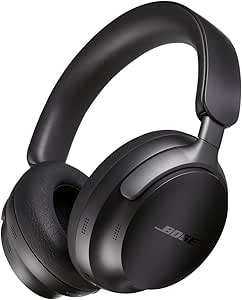
Bose QuietComfort Ultra Wireless Over-Ear Headphones with Spatial Audio and Noise Cancellation, Black
As an affiliate, we earn on qualifying purchases.
The Proposed First Test
The concept is framed as a narrow initial workflow for accounting firms already running AI-assisted categorization, not as a replacement for bookkeeping software or professional review. Its stated problem is that automated systems can produce entries that look orderly while assigning an unsuitable category. The examples given are a subscription coded as fuel and an owner draw booked as an expense; they illustrate the concern rather than documented cases from named firms.
IdeaNavigator AI says the opportunity has emerged as firms adopted AI categorization during 2025–2026 while exposure from inaccurate books remained. The material does not provide adoption statistics or independently verify how widespread the issue is, so those points should be treated as the proposal’s rationale rather than measured market findings. The concrete next step it describes is a retrospective trial across three firms’ last-quarter ledgers, measuring known miscodings caught against total flags.
Product Status and Accuracy Unknown
The proposal does not establish whether a working product exists, whether it has been connected to QuickBooks or Xero, or whether any firms have agreed to test it. It also provides no ledger results, error-detection rate, false-positive rate, or verified estimate of staff time saved. The suggested 10% review target and under-15% validation threshold are design goals, not measured outcomes.
Other open questions include how the system would define a confirmed miscoding, who would adjudicate disputed flags, and how it would handle differences in firms’ chart-of-accounts rules and client documentation. The material does not describe data access, privacy safeguards, audit trails, or responsibility for correcting entries. Until those details and trial results are available, the proposal’s effectiveness and commercial value remain unproven.
Testing Against Prior Ledgers
The next step described is a retrospective evaluation using the last quarter of bookkeeping data from three firms. The test would compare flagged entries with errors the firms can confirm, then report both how many known miscodings were detected and what share of transactions required review. That comparison would help show whether the tool can prioritize meaningful risks without flooding staff with alerts.
No timetable, participating firms, or planned publication of results is given. If the test proceeds, useful reporting would include the definition of a confirmed error, the total transaction count, the number and proportion flagged, the errors found among flagged items, and any errors missed. Until those details emerge, the idea remains a proposed review workflow rather than a validated accounting product.
Source: IdeaNavigator AI
Key Questions
Is the risk-flag review tool available now?
The proposal does not say that a product has launched or that a working version is available. It outlines a possible QuickBooks- or Xero-connected workflow.
What transactions would the proposed system flag?
It would look for potential warning signs such as unusual vendor-category combinations, mismatches between amounts and source documents, and owner spending that appears personal. A flag would prompt review; it would not by itself confirm an error.
How would the idea be tested?
The suggested test is to score the previous quarter’s ledgers from three firms and compare confirmed miscodings caught with the number of transactions flagged. The proposal gives no trial results or schedule.
Has the system shown that it saves time or catches most errors?
No. The material presents time savings and catching most known errors as goals to evaluate. It reports no measured accuracy, false-positive rate, or staff-hour reduction.
Source: IdeaNavigator AI