
🔍 Read the full analysis: A Blood Bank's Alarm Responded As Hackers Reached Its Plasma Freezers on ThorstenMeyerAI.com

Get the latest gadgets delivered free with Prime
- Fast, free delivery on millions of items
- Prime Video, Amazon Music and more included
- Member-only deals all year
TL;DR
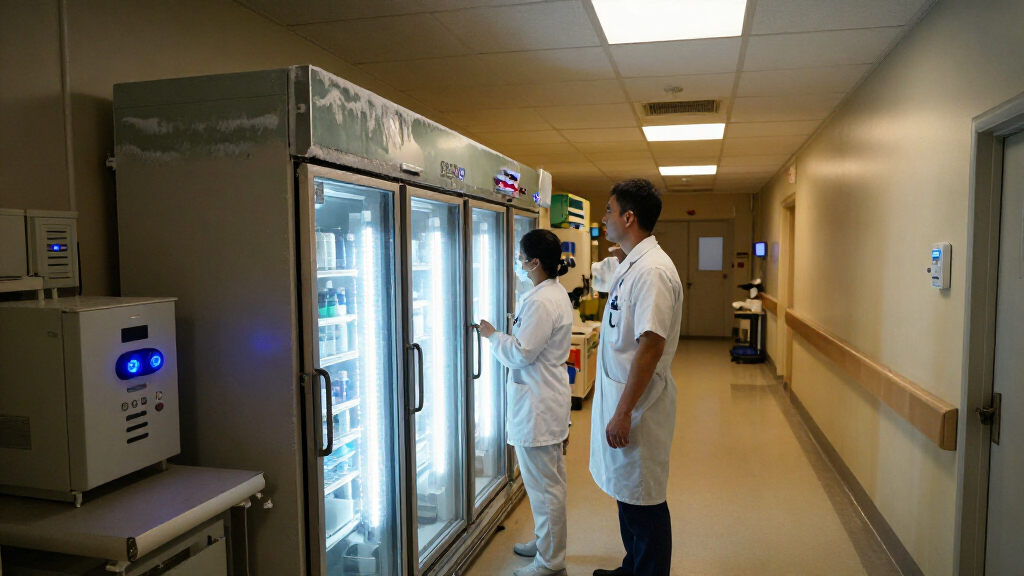
France’s national blood service, the EFS, said a cybersecurity incident involving a refrigeration contractor’s remote supervision system affected cold-room controls at three sites overnight on Nov. 1–2. Alarms and an on-call technician detected rising temperatures, plasma was moved, and the EFS reported no health impact or loss of blood products.
France’s national blood service said a cybersecurity incident involving a refrigeration contractor affected remote supervision and control systems for cold rooms at three EFS sites overnight from Nov. 1 to Nov. 2. The EFS said its alarms detected the anomalies, staff moved stored plasma as a precaution, and no health impact or loss of blood products was reported.
In a statement issued Nov. 3, the Établissement français du sang (EFS) said a contractor providing refrigeration equipment had suffered a cybersecurity incident. The incident affected supervision and control installations for cold rooms at three sites. According to the EFS, temperature and defrost thresholds were raised to very high settings. The service did not identify the contractor or specify the settings in its statement.
Le Canard enchaîné reported that the affected rooms were programmed to a 110°C setpoint, a figure also carried by other outlets. That was a controller setting, not a measured room temperature; no source cited in the reporting says the rooms reached 110°C. The EFS said the rooms held plasma for transfusion and plasma intended for fractionation, the process used to make medicines.
The EFS said its monitoring and alarm systems quickly identified the abnormal settings. An on-call technician noticed a rise in temperature overnight, according to Le Canard enchaîné’s account. The affected equipment was brought under control or switched off, and plasma was transferred to other installations as a precaution. The EFS said technical teams were working with France’s national cybersecurity agency, ANSSI, and the health ministry, while temperature monitoring across its equipment was stepped up.
Infographic 01 · 110 °C, explained
A setting, not a temperature
Someone raised the targets of plasma cold rooms at France’s blood service to +110 °C. The rooms never got there. What mattered was the alarm.
Frozen plasma has to stay at or below this line. The danger was thawing, not boiling. A few degrees too warm can already mean discarding bags.
- +110 °CThe programmed setpointTyped into the controller (Canard). Never reached, never measured.
- ~+50 °CHottest reported in the supermarket waveDefrost heaters forced on, same night (AFP, ZDFheute)
- −25 °CThe line that mattersFrozen plasma is stored at −25 °C or colder (EDQM guide via ISBT)
- −30 °CNormal operation of the EFS cold roomsAs reported by Le Canard enchaîné
Why the alarm won
- DetectionEFS monitoring and alarms flagged the anomaly quickly (EFS)
- A person on callAn on-call technician saw the temperature rise in the night (Canard)
- A plan BThe plasma was moved to other installations as a precaution (EFS)
Sources: EFS communiqué, 3 Nov 2026, via franceinfo · Le Canard enchaîné, as reported by Solutions Numériques · ISBT, citing the EDQM Guide · AFP via Al Jazeera, 4 Nov · ZDFheute, 3 Nov. The 110 °C and −30 °C figures come only from Le Canard enchaîné; the EFS gives no number.
Powered by Thorsten Meyer AI
Why Plasma Storage Was at Risk
The incident shows how a remote systems breach can threaten temperature-sensitive medical supplies without directly targeting hospital networks or patient records. Frozen plasma is used in transfusions and in the manufacture of medicines, and it must remain frozen to preserve its suitability. The immediate risk was that rising room temperatures could thaw stock and require it to be discarded.
In this case, the alarms and staff response limited the reported consequences: plasma was moved and the EFS reported no product loss or health impact. That outcome does not establish that the control systems were secure; it shows that independent monitoring and an operational response can matter when remote controls behave abnormally. The EFS has not said whether the incident was a deliberate attack, who was responsible, or how access was obtained.
The event also places attention on third-party remote maintenance access. Contractors may need connectivity to maintain refrigeration equipment, but an incident involving those systems can affect facilities that depend on continuous cold storage. The source material identifies the contractor only through a media report, not through the EFS statement.
Products Worth Considering

Sony WH-1000XM6 Wireless Noise-Canceling Headphones, Black

Apple AirPods Pro 3 Wireless Earbuds with Active Noise Cancellation

Samsung 49-Inch Odyssey OLED G9 (G91SD) Dual QHD Curved Gaming Monitor
As an affiliate, we earn on qualifying purchases.
The EFS Incident and Broader Attacks
The EFS is France’s national blood service, which collects donations and supplies hospitals. Its Nov. 3 statement confirmed the affected equipment, the response and the absence of reported health consequences or product loss. It did not name the contractor or disclose the locations of all three sites. Le Canard enchaîné identified the contractor as Coolworld, a refrigeration-room and container rental and maintenance company; that identification has not been confirmed by the EFS in the material available, and Coolworld had not commented publicly as of the Nov. 4 report.
The incident occurred on the same night as a reported second wave of attacks affecting supermarket refrigeration systems in multiple European countries. The source material says at least 11 countries were affected and that the supermarket systems also faced altered settings or forced defrost cycles. No authority has linked the supermarket incidents to the EFS event. Two hacktivist groups describing themselves as pro-Russian claimed the supermarket attacks in a video, but that claim was unverified, the posts were deleted, and no government had publicly attributed those attacks to a group.
The reported 110°C figure should not be confused with an observed temperature. It describes a setting entered into a controller, while the reported physical danger was thawing if the cold rooms rose above safe storage conditions. The source cites European guidance placing fresh-frozen plasma storage at −25°C or colder. The EFS statement itself did not give the rooms’ measured peak temperatures.
“The EFS monitoring and alarm systems made it possible to identify these anomalies quickly.”
— Établissement français du sang, in a statement issued Nov. 3
What Investigators Have Not Disclosed
The EFS has not publicly named the refrigeration contractor, disclosed the other two affected site locations, or explained how the remote systems were accessed. It has also not published measured peak temperatures or a detailed account of how long the abnormal settings remained active. The 110°C figure comes from Le Canard enchaîné’s reporting, rather than from the EFS statement, and refers to a programmed target, not an observed temperature.
The EFS has not publicly characterized the incident as a deliberate attack or identified a perpetrator. The source material says the EFS was not directly targeted, but does not provide details that establish who accessed the contractor’s systems or why. The separate supermarket refrigeration incidents happened the same night; no official has linked them to the blood-service incident. Claims by groups about the supermarket attacks remain unverified and do not establish responsibility for the EFS incident.
Monitoring and the Cybersecurity Review
The EFS said its technical teams were working with ANSSI and the health ministry and that it had increased temperature monitoring across its equipment. The service has not announced a timetable for the technical review or said when it will publish further findings. The immediate next public updates may clarify how the contractor’s remote access was affected, what safeguards are being reviewed, and whether the EFS will disclose more about the sites.
For now, the confirmed operational outcome is that plasma was moved and the EFS reported no product loss or health impact. Further conclusions about the cause, responsibility, or connection to attacks on supermarket refrigeration should wait for statements from the EFS, investigators, or the contractor.
Key Questions
What happened to the EFS cold rooms?
The EFS said a cybersecurity incident involving a refrigeration contractor affected cold-room supervision and control systems at three sites. Temperature and defrost thresholds were raised, and staff moved plasma as a precaution after monitoring systems detected the anomalies.
Did the rooms actually reach 110°C?
No reported source says they did. The 110°C figure was described as a programmed setpoint, not a measured temperature. The EFS has not published peak temperature readings.
Was any plasma lost or was anyone harmed?
The EFS reported no loss of blood products and no identified health impact. It said the plasma was moved to other installations as a precaution.
Who was responsible, and was this linked to supermarket attacks?
No perpetrator has been identified in the source material. The contractor’s name, Coolworld, was reported by Le Canard enchaîné but was not confirmed in the EFS statement. The supermarket refrigeration attacks occurred the same night, but no authority has linked the incidents.
Source: ThorstenMeyerAI.com