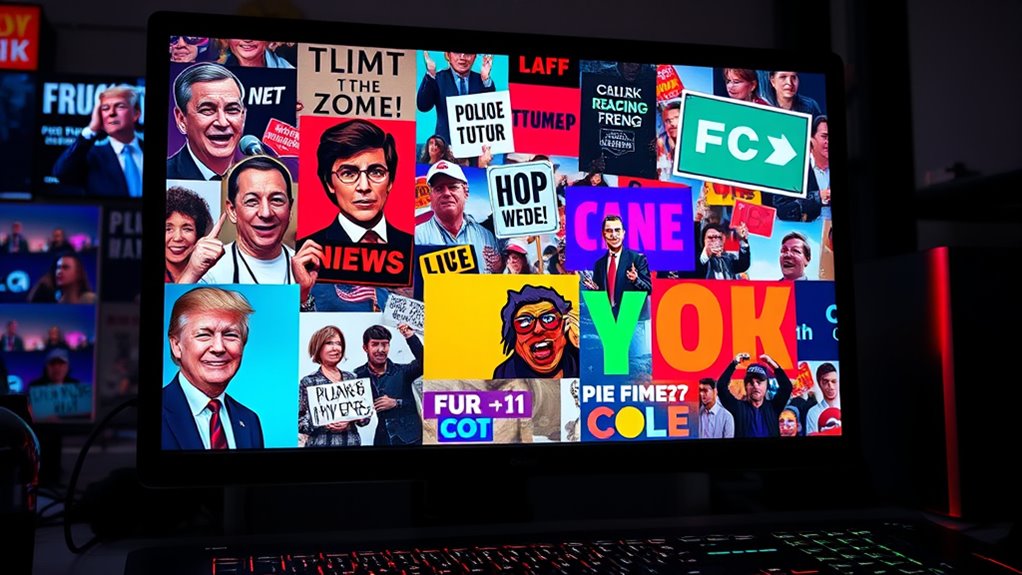

Digital protest art uses memes, GIFs, and online campaigns to challenge authority and spread awareness quickly across global networks. These creative tools convey powerful messages with layered symbolism, often bypassing traditional censorship. They inspire collective action, foster solidarity, and influence public discourse through shareable visuals. As digital protests evolve, understanding their impact helps you see how they shape social change. If you keep exploring, you’ll uncover more about how these digital expressions amplify voices and fight injustice.
Key Takeaways
- Digital protest art uses memes, GIFs, and online campaigns to quickly spread messages and mobilize support globally.
- Visual symbols and layered imagery enhance emotional impact and increase message memorability in digital activism.
- Cyber activism enables decentralized, real-time participation, bypassing traditional channels and censorship.
- Digital protest art can challenge authorities, expose injustices, and influence public discourse effectively.
- Ongoing innovation is vital as creators adapt to censorship and technological changes to sustain online activism.
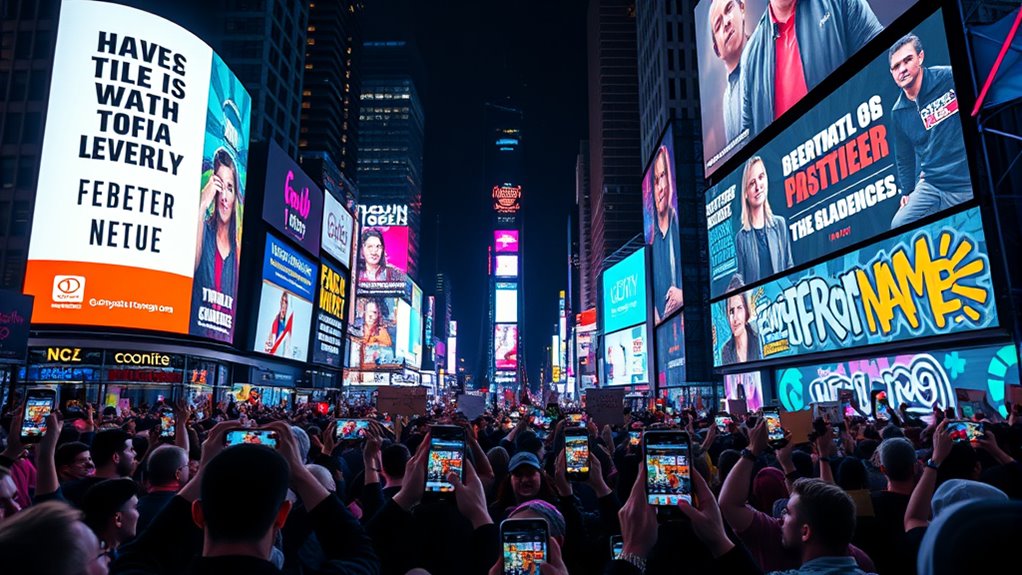
Have you ever wondered how artists leverage technology to challenge injustice? In today’s digital world, creative expression takes on new forms, with memes, GIFs, and online campaigns becoming powerful tools for protest. Digital protest art isn’t just about making visually striking images; it’s about communicating messages quickly and effectively across global networks. As you navigate this landscape, you’ll see that cyber activism plays a critical role, allowing activists to rally support, spread awareness, and challenge authority from anywhere with an internet connection. These digital tools enable people to bypass traditional channels of protest, especially in environments where online censorship suppresses dissent. When governments or institutions try to silence voices, artists and activists respond by creating content that’s harder to control or delete—like memes that embed subversive messages or GIFs that quickly spread outrage or solidarity. This form of online activism is clever and resilient, often turning humor or satire into acts of resistance, making it difficult for censors to suppress every piece of content. Instead of traditional marches or rallies, digital protest art creates a decentralized movement where anyone can contribute and mobilize support in real-time. You might have seen how a simple meme can expose injustice or question authority, turning everyday internet users into agents of change. These images often contain layered symbolism, making them memorable and shareable, amplifying the message far beyond what a single message could achieve. Moreover, the visual language used in digital protest art enhances its emotional impact, making messages more compelling. Yet, this approach isn’t without risks. Governments and corporations sometimes impose online censorship, blocking access to certain sites or removing content they find threatening. This challenge pushes creators to innovate further, finding new ways to evade censorship through VPNs, encrypted messages, or coded language embedded in their artwork. Despite these obstacles, digital protest art continues to evolve, harnessing the speed and reach of social media platforms to build global awareness and solidarity. As you observe this vibrant landscape, recognize that every meme, GIF, or online campaign is part of a larger act of cyber activism—an effort to challenge systemic injustice, promote free expression, and hold power to account. It’s a reminder that, in the digital age, art isn’t just for galleries; it’s an active, dynamic force capable of shaping public discourse and inspiring collective action. When you share or create digital protest art, you’re participating in a movement that amplifies voices silenced by censorship and transforms online spaces into battlegrounds for justice.
Frequently Asked Questions
How Do Digital Protest Artworks Influence Public Opinion?
Digital protest artworks influence your opinion by leveraging social media virality and visual persuasion. When you see compelling memes or GIFs, they quickly spread, shaping your perceptions and emotions. These images simplify complex issues, making them accessible and memorable. As a result, they can rally support, challenge norms, or spark debates, directly affecting how you understand and engage with social or political causes online.
What Are the Ethical Considerations in Digital Protest Art?
You must navigate the wild west of digital protest art where copyright concerns lurk like digital bandits, ready to claim your creative loot. You risk digital vandalism if your satire crosses lines, turning clever commentary into harmful chaos. Ethically, you balance free expression with respect for others’ rights, ensuring your memes and gifs challenge injustice without damaging reputations or breaking laws. Stay sharp, and protest wisely in the pixelated frontier.
Can Memes Effectively Lead to Social or Political Change?
Memes can indeed effectively lead to social or political change through viral amplification and digital activism. When you create or share memes, you help spread messages rapidly, raising awareness and inspiring action. Their humor and relatability make complex issues more accessible, encouraging widespread engagement. As part of digital activism, memes can challenge narratives, mobilize communities, and pressure authorities, proving their power as tools for meaningful social and political transformation.
How Do Online Campaigns Gain Global Visibility?
You wonder how online campaigns gain global visibility? It’s all about viral branding and digital activism. When your message resonates, it spreads rapidly across social media, capturing attention worldwide. Creative memes, GIFs, and compelling stories fuel this momentum, making campaigns unstoppable. As more people share, like, and comment, your cause becomes impossible to ignore, turning local issues into global movements with just a click. The power’s in your hands—are you ready to harness it?
What Platforms Are Most Popular for Digital Protest Art?
You’ll find platforms like Twitter, Instagram, and TikTok most popular for digital protest art. These platforms thrive on social media trends and digital activism strategies, making it easy for you to share memes, GIFs, and campaigns quickly. Their wide reach helps your message go viral and gain visibility globally. By leveraging these channels, you can effectively mobilize support and amplify your cause through engaging visual content.
Conclusion
You’ve seen how digital protest art like memes, gifs, and online campaigns amplify voices and spark change. Did you know that over 70% of social movements now rely heavily on digital media to spread their messages? This shows just how powerful online art has become in shaping public opinion and mobilizing action. So next time you share a meme or participate in an online campaign, remember, your digital voice can truly make a difference.