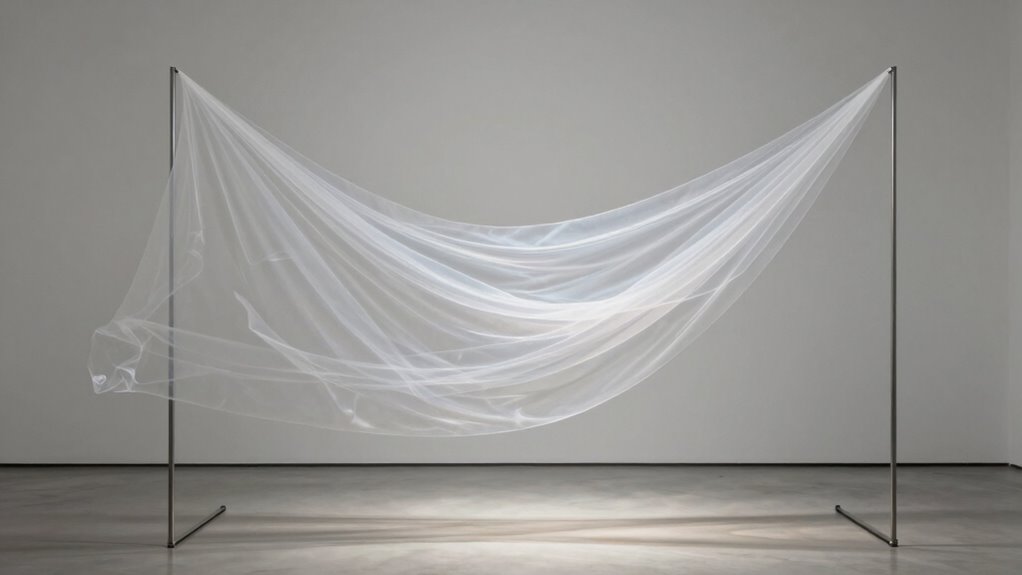

You see, artists design works that disappear gracefully to challenge the idea that art must last forever. They want you to focus on the fleeting beauty and momentary experience, emphasizing change and impermanence. These works invite you to participate and reflect on the natural cycles of life. By creating transient art, they encourage you to appreciate the present and see that meaning can be powerful even if temporary. Keep exploring to discover more about this enthralling approach.

Get the latest gadgets delivered free — and shop member deals
- Fast, free delivery on millions of items
- Access to Prime Big Deal Days deals on October 6–7
- Prime Video, Amazon Music and more included
Key Takeaways
- To challenge traditional notions of permanence and emphasize the transient, experiential nature of art.
- To highlight environmental concerns by using biodegradable or natural materials that decay over time.
- To foster emotional engagement through fleeting, unique moments that encourage present-focused appreciation.
- To question the obsession with collecting and preserving, promoting art as an ephemeral experience rather than a lasting object.
- To explore themes of impermanence, change, and natural cycles, deepening understanding of life’s transient beauty.
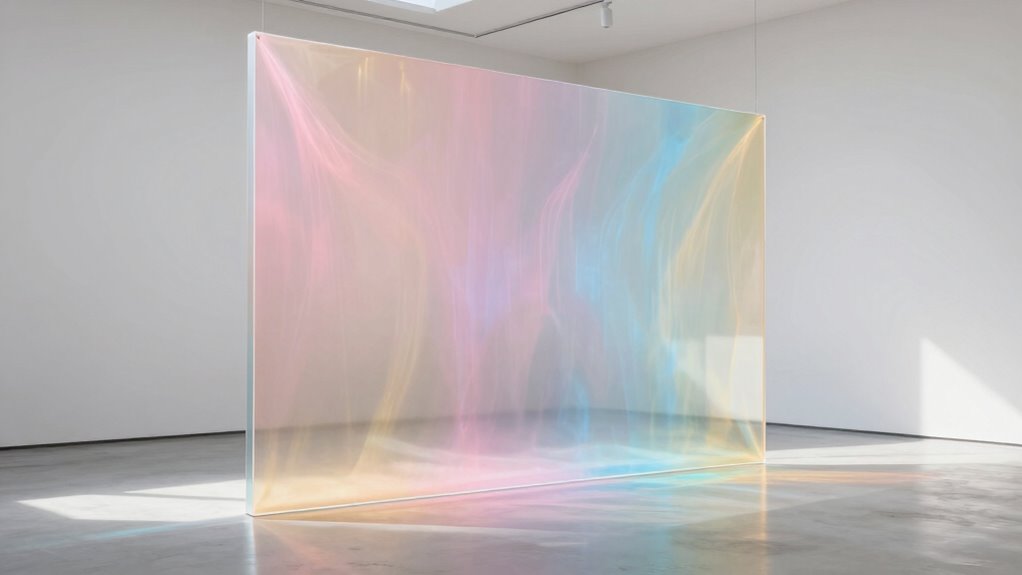
Artists are pushing the boundaries of creativity by designing art that vanishes, challenging traditional notions of permanence and preservation. This movement isn’t about rejecting art’s lasting power but exploring new ways to engage viewers and provoke thought. You’ll notice that many artists now craft ephemeral sculptures and interactive installations that exist only temporarily, emphasizing the fleeting nature of beauty and experience. These works aren’t meant to be preserved in a museum or collection but to be experienced in the moment, creating a sense of urgency and intimacy that static art often lacks.
Artists create temporary, immersive works that celebrate fleeting beauty and invite immediate, emotional engagement.
Interactive installations play a significant role in this approach. They invite you to become part of the artwork, blurring the lines between creator and spectator. As you interact with these pieces, their temporary nature becomes apparent—they might respond to your movements, only to vanish once the interaction ends. This transience reminds you that art doesn’t have to last forever to be meaningful. It’s about the experience itself, the emotions stirred in that specific moment, and the conversations sparked about impermanence and change.
Ephemeral sculptures embody this philosophy visually. These sculptures are designed to decay, dissolve, or disappear over time, often using materials like ice, sand, or biodegradable elements. You might find yourself captivated by a sculpture that slowly melts away during an exhibition, encouraging you to reflect on the transience of life and the environment. These sculptures challenge the idea that beauty must be everlasting; instead, they celebrate the transient, reminding you that all things are in constant flux. Recognizing the ephemeral nature of such works can deepen your appreciation for the impermanent aspects of life and art. Additionally, the use of temporary materials emphasizes the fleeting quality of these creations and their connection to natural cycles. Incorporating natural cycles into their design further underscores the fragility and beauty of impermanence. Exploring the concept of impermanence in art can lead to a greater understanding of how change influences both creation and perception.
By designing works that can disappear gracefully, artists are making a statement about the impermanence inherent in existence. They’re encouraging you to appreciate the present, to value the moment’s uniqueness rather than seeking permanence. This approach also questions the traditional art market’s obsession with preservation and collection, shifting focus toward experience and ephemeral presence. You’re invited to see beauty as something that exists temporarily, emphasizing that the significance of art lies not in its longevity but in its power to evoke emotion, provoke thought, and foster connection in the here and now.
In essence, these disappearing artworks challenge you to reconsider your relationship with art and impermanence. They highlight that some of the most profound moments are fleeting, and that embracing transience can lead to a deeper understanding of life, change, and creative expression. As you witness or participate in these ephemeral works, you become part of a larger dialogue about how we perceive and value art in a world where everything is constantly shifting.
As an affiliate, we earn on qualifying purchases.
Frequently Asked Questions
How Do Artists Ensure Their Work Disappears Without Damaging the Environment?
You can guarantee your work disappears without harming the environment by choosing sustainable materials that break down naturally and minimally impact ecosystems. Incorporate biodegradable or recyclable components, avoiding plastics or harmful chemicals. To reduce environmental impact, design your pieces for easy removal and decomposition, ensuring they leave no lasting trace. By prioritizing eco-friendly practices, you help protect the environment while creating art that gracefully dissolves or reverts to nature.
What Materials Are Commonly Used for Creating Ephemeral Artworks?
You’ll find that ephemeral artworks often use innovative materials like ice, flowers, biodegradable paper, and natural pigments. Curiously, over 60% of artists now prioritize sustainable practices, ensuring their pieces can disappear without harming the environment. These materials allow artworks to decay naturally, aligning with eco-conscious goals. By choosing such sustainable options, you create beauty that’s temporary and respectful of nature’s cycles.
How Do Viewers Respond to Art That Vanishes Over Time?
You find that viewers have a mixed response to art that vanishes over time. Some feel a deep emotional impact, appreciating the fleeting nature and the vulnerability it reveals. Audience engagement often deepens as they reflect on impermanence, encouraging personal interpretation. Others may feel disappointment or frustration, but overall, the transient quality sparks meaningful conversations about change, memory, and the ephemeral aspects of life.
Are There Legal Considerations for Temporary or Disappearing Art Installations?
You should be aware that legal considerations for temporary or disappearing art installations include intellectual property rights and contractual agreements. Artists need to protect their work through copyright or licensing, ensuring their rights are clear. Additionally, drafting detailed contracts with venues or sponsors helps specify the installation’s duration, preservation, and disposal. This way, everyone understands their responsibilities, and artists safeguard their creative rights throughout the temporary or ephemeral nature of their work.
Can Disappearing Art Be Preserved Digitally for Future Viewing?
Yes, disappearing art can be preserved digitally for future viewing. You can use digital preservation techniques like high-resolution scans, 3D modeling, or virtual reality to capture the artwork’s essence. This guarantees future accessibility, allowing people to experience the piece even after it’s gone. By converting ephemeral works into digital formats, you safeguard their cultural significance and enable ongoing appreciation, despite their physical or temporary nature.
interactive art installation kits
As an affiliate, we earn on qualifying purchases.
As an affiliate, we earn on qualifying purchases.
Conclusion
As you explore these disappearing artworks, remember they’re like fleeting whispers of creativity, vanishing just as quickly as they appear. You’re witnessing art that challenges permanence, inviting you to appreciate the transient beauty of moments that slip through your fingers. In a world obsessed with permanence, these works remind us that sometimes, the most powerful art is the one that disappears, leaving behind only the echo of its existence—a delicate dance between presence and absence.
As an affiliate, we earn on qualifying purchases.
As an affiliate, we earn on qualifying purchases.
Fall Picks
fall essentials
As an affiliate, we earn on qualifying purchases.