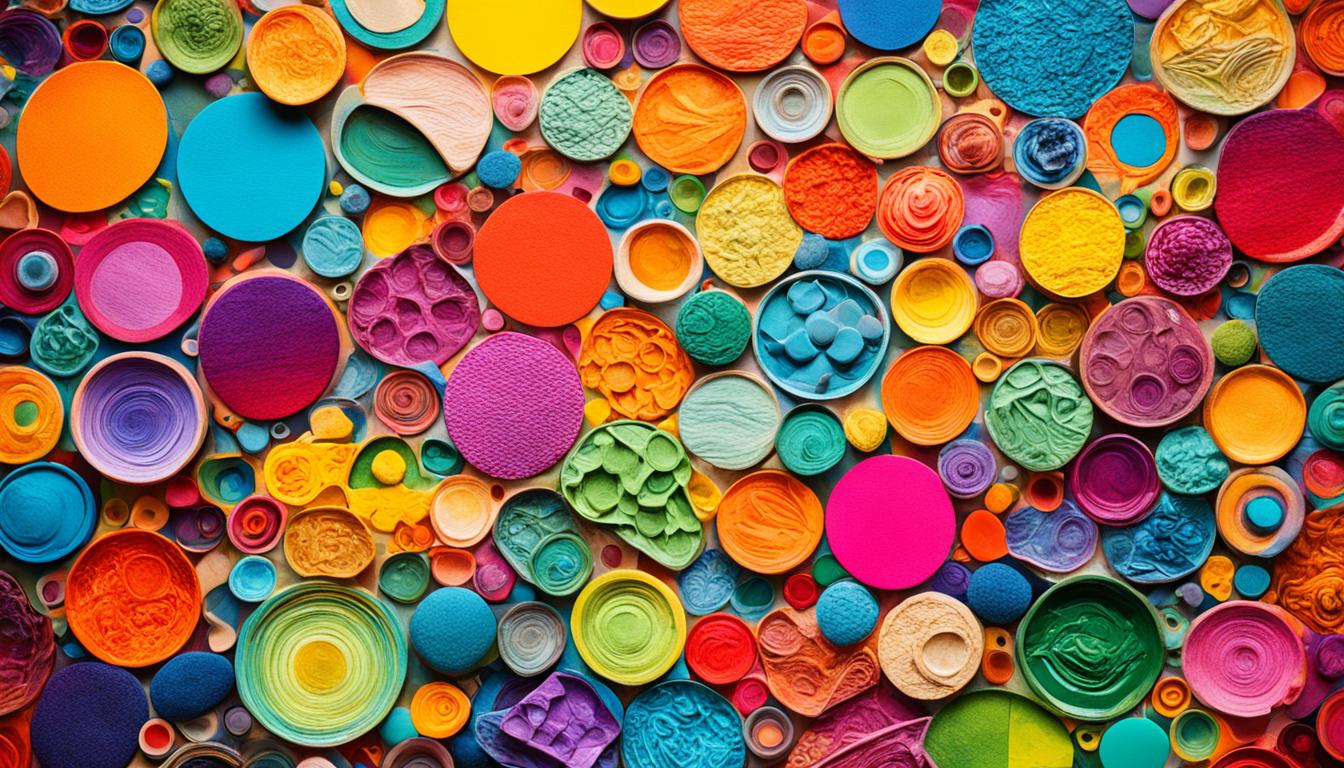
Art acts as a universal language that bridges cultures and communities by communicating beyond words. It allows you to share stories, emotions, and traditions through visual storytelling and emotional expression, cutting across language barriers. By connecting people through shared experiences and empathy, art fosters understanding and compassion. As you explore further, you’ll discover how artistic expressions continue to unite diverse backgrounds and promote a more inclusive world.
Key Takeaways
- Art transcends linguistic and cultural barriers, allowing universal emotional and visual communication across diverse communities.
- Visual storytelling in art shares experiences and traditions, fostering cross-cultural understanding and empathy.
- Artistic expressions evoke shared human emotions, helping to break stereotypes and promote compassion globally.
- Art provides a platform for marginalized voices, encouraging dialogue and connection beyond language limitations.
- Through its universal appeal, art builds bridges, nurturing empathy and fostering a more inclusive, interconnected society.

Art serves as a universal language that transcends cultural, linguistic, and geographic boundaries. When you engage with art, you tap into a form of communication that doesn’t rely on words but instead speaks directly to the heart through visual storytelling and emotional expression. You might see a painting, sculpture, or photograph and instantly feel a connection, even if it was created thousands of miles away or by someone from an entirely different background. This ability to communicate feelings and stories through visuals makes art a powerful tool for bridging gaps between diverse communities.
Through visual storytelling, art allows you to share experiences, histories, and perspectives that might otherwise be lost in translation. When you look at a mural depicting a cultural tradition or a piece of abstract art that explores universal themes like love or loss, you’re able to understand and empathize with the creator’s message. This nonverbal exchange helps foster mutual understanding, encouraging you to see the world through someone else’s eyes. It’s as if the artwork becomes a bridge, inviting you into the creator’s story without the need for language barriers.
Emotional expression is at the core of this universal language. You don’t need to be fluent in a particular tongue to feel something when you observe a piece of art. The colors, shapes, and composition evoke emotions that resonate on a deeply personal level. Whether a painting stirs feelings of hope, sorrow, or joy, you connect emotionally with the work, and in doing so, you participate in a shared human experience. Artists channel their innermost feelings into their creations, and you, as the viewer, are invited to explore those emotions alongside them. This shared emotional journey helps break down stereotypes and prejudices, fostering empathy and compassion across differences.
Additionally, visual storytelling enhances cross-cultural understanding by providing a platform for diverse voices and narratives that might otherwise be marginalized or unheard. In essence, art’s power lies in its ability to communicate beyond the limits of language, forging connections through visual storytelling and emotional expression. As you interpret and engage with art from different cultures, you’re participating in a dialogue that transcends words. It’s a reminder that, despite linguistic or cultural divides, human experiences—emotions, stories, aspirations—are universal. Art invites you to listen, feel, and understand, making it an essential tool for building bridges and nurturing a more connected, empathetic world.
Frequently Asked Questions
How Does Art Influence Cultural Identity Development?
Art influences your cultural identity development by allowing you to express your personal identity and connect with your heritage. Through creating and appreciating art, you preserve cultural traditions and stories, shaping your sense of belonging. It helps you understand your roots and communicate your unique perspective. By engaging with art, you actively participate in cultural preservation and personal expression, strengthening your identity and fostering a deeper appreciation for your community’s shared values.
Can Art Effectively Resolve Cross-Cultural Misunderstandings?
Yes, art can effectively resolve cross-cultural misunderstandings by fostering emotional connections and enabling visual storytelling. When you engage with diverse artworks, you’re more likely to understand different perspectives and experiences. Art transcends language barriers, allowing you to connect emotionally and appreciate cultural nuances. This shared emotional experience helps break down stereotypes, build empathy, and promote mutual understanding, making art a powerful tool for bridging cultural gaps.
What Role Does Technology Play in Universal Artistic Expression?
Technology is a game-changer in universal artistic expression, breaking down barriers and connecting people worldwide. You can engage in digital collaboration, creating art with others across continents, and showcase it through virtual exhibitions accessible to all. These tools help art speak a thousand words, fostering understanding and unity. By harnessing technology, you make art more inclusive and dynamic, turning the world into a gallery where everyone’s voice can be heard loud and clear.
How Do Different Cultures Interpret Common Symbols in Art?
You see that different cultures interpret common symbols through their unique lens of cultural symbolism. Symbol interpretation varies widely; a color, animal, or object may hold positive meaning in one culture but signify something entirely different in another. By exploring these differences, you deepen your understanding of cultural symbolism, recognizing how shared symbols can both unite and distinguish communities. This awareness fosters greater appreciation for diverse artistic expressions across the world.
What Challenges Exist in Using Art to Unite Diverse Communities?
Like the Tower of Babel, using art to unite diverse communities faces language barriers and risks cultural appropriation. You might struggle with differing interpretations, making it hard to find common ground. Cultural symbols can be misunderstood or misused, causing division instead of unity. Overcoming these challenges requires sensitivity, open dialogue, and respectful collaboration, ensuring art truly bridges gaps without erasing or misrepresenting any culture.
Conclusion
In embracing art as a universal language, you find a gentle way to weave diverse stories into a shared tapestry. It’s a quiet bridge that whispers understanding across gaps, softening differences without demanding words. Through this delicate connection, you discover that true communication often lies beyond spoken language, hinting at a deeper unity waiting to be uncovered. In the end, art invites you to see the world with kinder eyes, fostering harmony in the most subtle of ways.