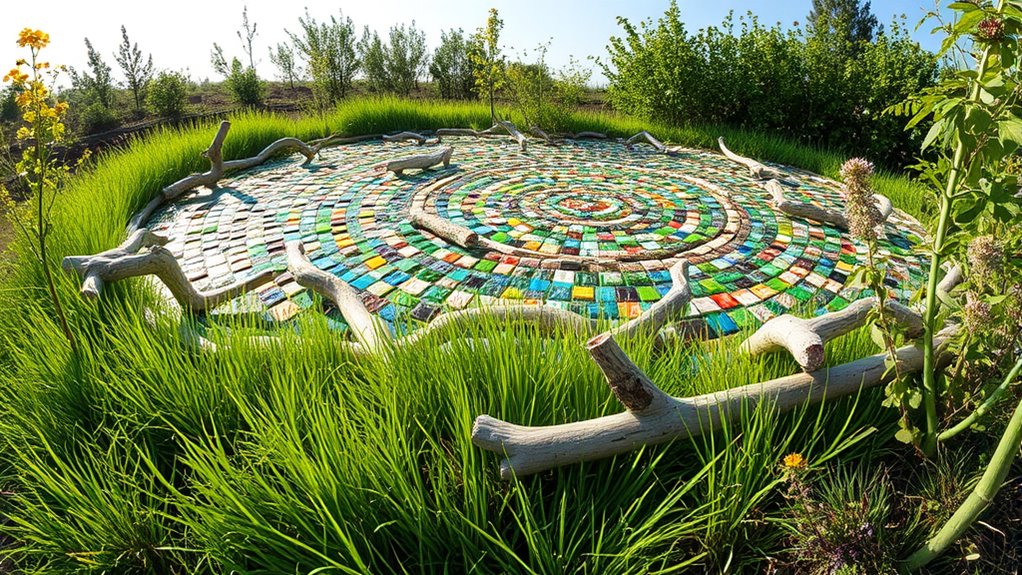

Eco‑art is sustainable because it combines creativity with environmental responsibility by repurposing recycled materials like metal, plastic, and glass, transforming waste into meaningful art. It encourages community participation, fostering ownership and addressing local ecological issues. Eco‑art emphasizes reuse, social awareness, and resilience while often incorporating sound and sensory elements for deeper impact. If you keep exploring, you’ll discover how eco‑art inspires positive change through resourcefulness and collective effort.
Key Takeaways
- Eco-art uses recycled materials like scrap metal, plastic, and glass to create sustainable artworks.
- It promotes resourcefulness and reduces environmental impact by repurposing waste.
- Community involvement in eco-art fosters ownership, social responsibility, and local environmental awareness.
- Incorporating sound and immersive techniques enhances the sensory and educational impact of eco-art projects.
- Eco-art embodies principles of reuse, participation, and sustainability, inspiring positive environmental change.
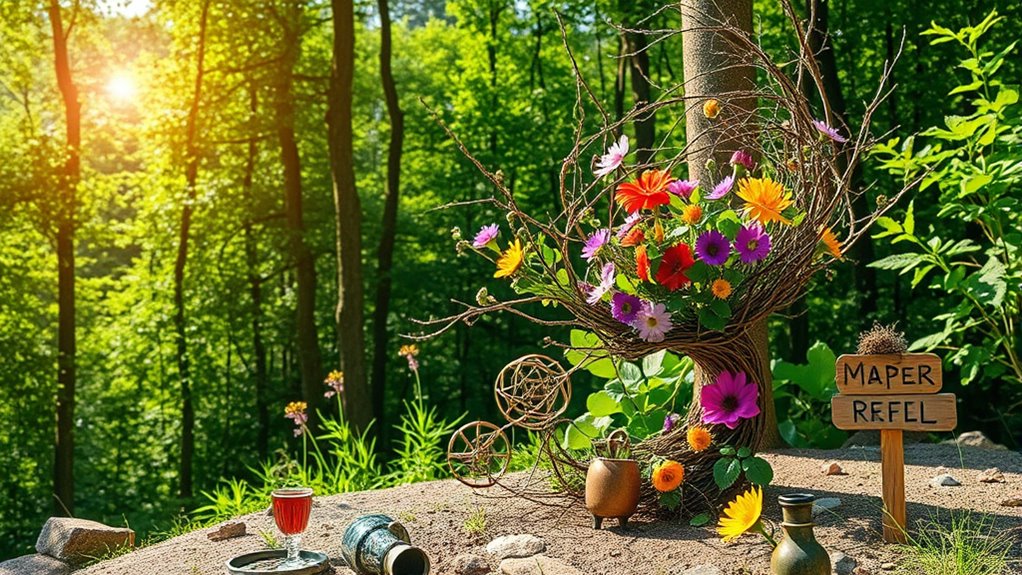
Have you ever wondered what makes art truly sustainable? It’s a fascinating question because sustainability in art isn’t just about eco-friendly materials; it’s about creating a lasting impact that benefits both the environment and the community. One of the key elements in eco-art is the use of recycled materials. Instead of sourcing new, often resource-intensive supplies, eco-artists repurpose items like scrap metal, plastic, paper, and glass. This approach reduces waste, minimizes environmental harm, and transforms discarded objects into compelling visual statements. When you see a sculpture made from old car parts or a mural composed of reclaimed plastic bottles, you’re witnessing a powerful message about reuse and resourcefulness. These artworks don’t just beautify spaces—they challenge viewers to reconsider their consumption habits and recognize the potential in what society typically discards.
Eco-art uses recycled materials to transform waste into meaningful, sustainable visual statements that challenge consumption habits.
But sustainability in art extends beyond materials. Community engagement plays a *vital* role in making art truly eco-friendly. When artists involve local residents in their projects, they foster a sense of ownership and responsibility. Community members become active participants, helping with the creation process, sharing stories, and spreading awareness about ecological issues. This participatory approach *guarantees* that the art isn’t just a static display but a living, evolving element of the community. It encourages dialogue about sustainability, environmental justice, and local challenges. Through workshops, collaborative murals, or public installations, community engagement makes art more accessible and meaningful. It also *assures* that the project’s benefits resonate long after the artwork is completed, creating a ripple effect that promotes sustainable practices beyond the initial event. Additionally, integrating sound design techniques such as field recordings and ambient sounds can enhance the sensory experience of eco-art installations, making them more immersive and impactful.
Moreover, community-driven projects often utilize locally sourced recycled materials, further reducing the carbon footprint associated with transportation and production. This local involvement nurtures a collective sense of responsibility and empowers communities to take charge of their environment. When people see their own discarded materials transformed into art, it sparks pride and a deeper understanding of sustainability’s importance. Plus, these projects often address specific local issues—like pollution or waste management—making the art more relevant and impactful.
In essence, eco-art that emphasizes recycled materials and community engagement embodies a holistic approach to sustainability. It challenges traditional notions of art by emphasizing reuse, participation, and social responsibility. When you support or create such art, you’re not just appreciating aesthetics—you’re contributing to a movement that values environmental health, resourcefulness, and community resilience. This approach proves that art can be more than just a reflection of beauty—it can be a catalyst for positive change, inspiring others to see waste as a resource and communities as agents of sustainability.
Frequently Asked Questions
How Do Eco-Artists Choose Sustainable Materials for Their Projects?
You choose sustainable materials for your eco-art projects by prioritizing recycled materials and natural dyes. You seek out items that can be reused or repurposed, reducing waste and environmental impact. Natural dyes from plants, minerals, or other organic sources are your go-to for vibrant, eco-friendly color. This approach helps you create artwork that supports sustainability, minimizes harmful chemicals, and promotes ecological awareness, aligning your artistic practices with environmental responsibility.
What Are the Main Challenges in Creating Eco-Friendly Art?
You face significant challenges in creating eco-friendly art, especially with recycling challenges that can limit material choices. Only about 9% of plastic waste gets recycled globally, making sustainable sourcing difficult. Additionally, increasing artist awareness is vital; many artists are unaware of eco-friendly practices. Overcoming these hurdles requires education, innovation, and commitment to reducing environmental impact, ensuring your art aligns with sustainability goals while inspiring others to follow suit.
Can Eco-Art Be Commercially Successful and Environmentally Sustainable?
Eco-art can be both commercially successful and environmentally sustainable if you focus on market viability and artistic innovation. You should create compelling pieces that appeal to eco-conscious audiences while using sustainable materials and practices. By blending creativity with eco-awareness, you can attract buyers interested in meaningful art, ensuring your work remains profitable and eco-friendly. Successful eco-art balances commercial appeal with a genuine commitment to environmental responsibility.
How Does Eco-Art Influence Public Awareness About Environmental Issues?
Did you know eco-art projects increase public engagement by over 40% compared to traditional campaigns? You influence awareness about environmental issues by experiencing eco-art firsthand, making complex problems more relatable. Eco-art sparks conversations and encourages community involvement, transforming awareness campaigns into interactive, memorable events. Your participation helps spread crucial messages, empowering others to take action and fostering a deeper understanding of sustainability through creative, impactful environmental art.
What Are Examples of Eco-Art That Have Led to Real Ecological Change?
You see eco-art like recycled sculptures and community planting projects that have sparked real ecological change. For example, artists create sculptures from recycled materials, inspiring local recycling efforts. Community planting initiatives, often part of eco-art projects, restore green spaces and promote biodiversity. These actions not only beautify areas but also drive sustainable practices, encouraging communities to adopt eco-friendly habits and fostering long-term environmental benefits.
Conclusion
Remember, sustainability isn’t just a trend—it’s a responsibility you hold. By choosing eco-friendly materials, supporting local artists, and raising awareness, you help preserve our planet’s beauty. Eco-art proves that creativity and care can go hand in hand. As the saying goes, “We do not inherit the earth from our ancestors, we borrow it from our children.” Embrace eco-art, and let your actions inspire a greener, more sustainable future.