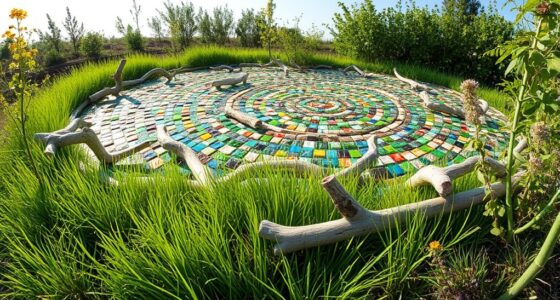
Switching to non-toxic art materials helps protect your health and the environment while boosting your creativity. Natural pigments, plant-based adhesives, and eco-friendly supplies reduce exposure to harmful chemicals, heavy metals, and fumes. These safer options not only support sustainable practices but also improve the vibrancy and authenticity of your work. Choosing non-toxic materials creates a healthier workspace and lets you focus fully on your art. Discover more about making safer, eco-friendly choices that truly support your creative journey.
Key Takeaways
- Switching to non-toxic pigments and adhesives reduces health risks and exposure to harmful chemicals.
- Natural, eco-friendly materials promote a safer workspace, minimizing toxic fumes and allergic reactions.
- Using sustainable art supplies supports environmental conservation and decreases pollution.
- Non-toxic options enhance artistic vibrancy and authenticity without compromising quality.
- Choosing safe materials fosters a mindful, responsible, and healthier creative practice.

Have you ever wondered if the art supplies you use could be harming your health? It’s a valid concern, especially when many traditional art materials contain chemicals that can cause long-term health issues. Making the switch to non-toxic materials isn’t just about protecting your well-being; it’s about creating art in a way that’s safer for you and the environment. One of the simplest yet most impactful choices you can make is opting for eco friendly pigments. These pigments are derived from natural sources like minerals, plants, or other organic materials, ensuring that they don’t contain harmful synthetic chemicals or heavy metals found in conventional paints. Not only do they reduce the risk of allergic reactions or toxicity, but they also tend to have a more authentic, vibrant quality that can elevate your work. When you choose eco friendly pigments, you’re making a conscious decision to support sustainable practices, which benefits the planet and your health alike.
Alongside pigments, selecting natural adhesives can considerably reduce your exposure to toxic fumes and chemicals. Traditional glues and adhesives often contain substances like formaldehyde, solvents, or synthetic resins that can cause irritation or even more severe health problems over time. Natural adhesives, on the other hand, are made from plant-based materials such as beeswax, plant gums, or other organic binders. These options are not only safer but often more versatile and easier to work with, especially when you’re creating delicate or detailed pieces. Using natural adhesives also means you avoid the strong, lingering chemical smells that can be overwhelming and unhealthy, especially in poorly ventilated spaces.
Switching to non-toxic, eco friendly pigments and natural adhesives doesn’t mean sacrificing quality or creativity. In fact, many artists find that working with these materials inspires a different approach to their craft, emphasizing mindfulness and a closer connection to nature. You’ll notice how these choices can enhance your overall studio environment, making it a healthier space to create in. Plus, knowing that your supplies are non-toxic helps you focus fully on your art without constantly worrying about the potential health risks. It’s a simple yet powerful step toward a more sustainable, responsible art practice. When you prioritize non-toxic materials, you’re not just protecting yourself—you’re making a statement that your art can be beautiful, impactful, and safe all at once.
Frequently Asked Questions
Are Non-Toxic Materials More Expensive Than Traditional Options?
Non-toxic materials are often more expensive than traditional options, but the cost comparison depends on various pricing factors. You might find that eco-friendly paints or biodegradable supplies cost a bit more upfront, but they can save you money on health and environmental impacts long-term. While initial costs may be higher, investing in non-toxic materials supports safer creative practices and sustainability, making it a worthwhile choice despite the price difference.
How Do Non-Toxic Materials Compare in Durability and Longevity?
Ever wondered if non-toxic materials can keep up? They often have a solid durability comparison, especially when you consider longevity factors like resistance to wear and environmental impact. While some may worry about lifespan, many non-toxic options are designed to last just as long as traditional materials, with proper care. So, you can confidently choose safer options without sacrificing quality or durability in your creative projects.
Can Non-Toxic Materials Be Used for Industrial-Scale Projects?
Yes, you can use non-toxic materials for industrial-scale projects. They’re increasingly designed for industrial scalability, ensuring you won’t compromise on production volume or efficiency. Plus, choosing non-toxic options considerably reduces environmental impact, helping your business meet sustainability goals. While some materials may need adjustments in processing, many are now engineered to perform at large scales, making them a viable, eco-friendly choice for big projects.
What Certifications Should I Look for in Non-Toxic Creative Supplies?
You should look for eco-friendly labels and safety standards like ASTM D-4236, which certifies non-toxic art supplies, or GREENGUARD, guaranteeing low chemical emissions. These certifications verify that products meet strict safety criteria, giving you confidence in their non-toxic nature. While some certifications carry more weight, always check for reputable labels to ensure your creative supplies are truly safe and eco-conscious, aligning with your commitment to health and sustainability.
Are Non-Toxic Materials Suitable for Children’s Art Projects?
Yes, non-toxic materials are suitable for children’s art projects. You can confidently use eco-friendly, non-toxic supplies to guarantee child safety, reducing exposure to harmful chemicals. These materials often have eco friendly benefits, minimizing environmental impact. By choosing certified non-toxic products, you protect children’s health while fostering creativity. Always check labels for safety certifications, and encourage kids to explore their artistry in a safe, eco-conscious environment.
Conclusion
Choosing non-toxic materials is like planting seeds of safety and creativity in your workspace. By making this switch, you’re not just protecting yourself—you’re nurturing a vibrant garden where ideas can blossom freely. Embrace these safer options, and watch your creativity flourish without the shadow of harmful chemicals. It’s a small step that blooms into a big, beautiful difference, turning your artistic journey into a colorful, worry-free adventure.