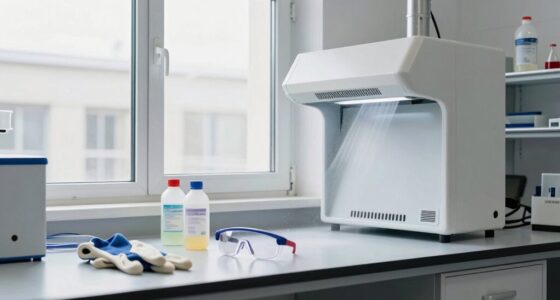
Many studios ignore air quality, thinking it won’t affect their creativity or health. Poor ventilation can lead to pollution from paint fumes and dust, making you fatigued and unfocused. Regular cleaning and proper airflow are essential to maintaining a productive environment. Over time, neglecting air quality can cause serious health issues, including respiratory problems. By prioritizing fresh air and monitoring pollutants, you can create a thriving space. Discover what steps you can take to improve your studio’s air quality.

Get the latest gadgets delivered free with Prime
- Fast, free delivery on millions of items
- Prime Video, Amazon Music and more included
- Member-only deals all year
Key Takeaways
- Poor air quality in studios can stifle creativity and focus, ultimately hindering artistic output and productivity.
- Inadequate ventilation leads to increased pollutants, creating a fatigued mindset and long-term health risks.
- Regular cleaning with eco-friendly products reduces allergens and harmful chemicals, promoting a healthier creative space.
- Air quality monitoring tools provide real-time data, enabling proactive measures to improve indoor air conditions effectively.
- Investing in air filtration and ventilation systems fosters a thriving studio environment, enhancing both health and creativity.

When you step into a studio, the air quality may not be the first thing on your mind, but it greatly impacts your creativity and health. You might be surprised to learn that poor air quality can stem from various pollutant sources, such as paint fumes, dust, or even mold. If you don’t pay attention to these details, you could be stifling your creativity and putting your well-being at risk.
Effective studio design should prioritize ventilation systems. A well-ventilated space helps circulate fresh air, reducing the concentration of harmful pollutants. If your studio lacks proper airflow, you may find yourself feeling fatigued or unfocused, which can hinder your creative process. Consider integrating air filters into your ventilation systems. These filters can trap airborne particles and improve overall air quality, setting the stage for a more productive environment.
Prioritizing effective ventilation and air filtration in your studio is essential for nurturing creativity and maintaining focus.
To further safeguard your health, it’s vital to implement robust cleaning protocols. Regularly dusting and cleaning surfaces will minimize the accumulation of allergens and pollutants. Using eco-friendly cleaning products can also help reduce harmful chemical exposure, which is important when you’re spending long hours in a confined space. Additionally, understanding the impact of airborne pollutants can motivate you to improve your ventilation and cleaning routines. Proper air quality monitoring can alert you to potential issues before they affect your health. Incorporating air quality sensors can provide real-time data, enabling you to make informed decisions about maintaining a healthy environment. Humidity control plays a significant role in maintaining air quality, as fluctuations can promote mold or dry out the air, both of which can negatively impact your health. Incorporating air quality improvement strategies can further enhance the safety and comfort of your studio.
Utilizing monitoring tools can help you keep track of air quality in real-time. These tools can measure levels of pollutants and humidity, giving you insights into when it might be time to ventilate the space or adjust your cleaning routine. By staying proactive, you can create an environment that nurtures both your creativity and well-being.
Incorporating these elements into your studio isn’t just about aesthetics; it’s about cultivating a space where you can thrive. Failing to address air quality issues can lead to long-term health impacts, like respiratory problems or chronic fatigue. You wouldn’t want to overlook something so fundamental to your creative process.
Ultimately, making air quality a priority in your studio can lead to better health and enhanced creativity. By investing in effective ventilation systems, utilizing air filters, and adhering to good cleaning protocols, you’re setting yourself up for success. It’s time to take control of your environment, ensuring that the air you breathe supports your artistic journey.
As an affiliate, we earn on qualifying purchases.
Frequently Asked Questions
How Can Studio Air Quality Affect Employee Health?
Studio air quality directly impacts your health. Poor air can lead to respiratory issues, which affect your overall well-being and productivity. If you’re breathing in pollutants, you might feel fatigued or distracted, hindering your focus and creativity. Furthermore, a comfortable workplace environment promotes mental well-being, allowing you to thrive in your role. Prioritizing clean air quality not only enhances comfort but also boosts your effectiveness and job satisfaction in the studio.
What Are Common Indoor Air Pollutants in Studios?
You’d be surprised at how “uninviting” indoor air can be in studios. Common indoor air pollutants like volatile organic compounds (VOCs) from paints and solvents, dust, and mold can sneak in unnoticed. Without proper ventilation systems, these pollutants accumulate, creating an unhealthy environment. Also, your equipment can be a hidden source, emitting fumes and particles. Keeping an eye on these sources helps you maintain a healthier workspace for everyone.
How Often Should Air Quality Be Tested?
You should test air quality at least once every six months to guarantee compliance with air quality standards. If your studio sees heavy traffic or uses various materials, consider increasing the testing frequency to every three months. Regular assessments help identify pollutants early, allowing you to address issues proactively. Maintaining a consistent testing schedule not only keeps your workspace safe but also promotes a healthier environment for everyone involved.
What Inexpensive Solutions Can Improve Studio Air Quality?
You might think fresh air is overrated, but let’s not test that theory! To improve your studio’s air quality without breaking the bank, consider some ventilation improvements. Opening windows can work wonders—who knew? Adding air purifiers is another smart move; they’re like a bouncer for your air, kicking out dust and allergens. So, embrace these inexpensive solutions and breathe easier, because who wants to be the next “studio with a stuffy secret”?
Are Plants Effective in Enhancing Indoor Air Quality?
Yes, plants are effective in enhancing indoor air quality. They provide several benefits, like improving air circulation and increasing indoor humidity. Biofilter plants, such as snake plants and peace lilies, can help remove toxins. To maximize their impact, choose the right plant types for your space and guarantee you maintain them properly. Regularly check for pests and water them as needed to keep your indoor environment fresh and healthy.
As an affiliate, we earn on qualifying purchases.
Conclusion
Ignoring air quality in studios isn’t just risky; it can lead to serious health issues. Take, for instance, a local recording studio where musicians frequently complained of headaches and fatigue. After testing, they discovered high levels of volatile organic compounds (VOCs) from old paint and furnishings. Once they improved ventilation and updated their materials, the musicians felt revitalized and more productive. Don’t wait until it’s too late—prioritize your studio’s air quality for a healthier, more creative environment.
ventilation system for art studio
As an affiliate, we earn on qualifying purchases.
As an affiliate, we earn on qualifying purchases.
eco-friendly cleaning products for studio
As an affiliate, we earn on qualifying purchases.
As an affiliate, we earn on qualifying purchases.
Halloween Picks
halloween
As an affiliate, we earn on qualifying purchases.