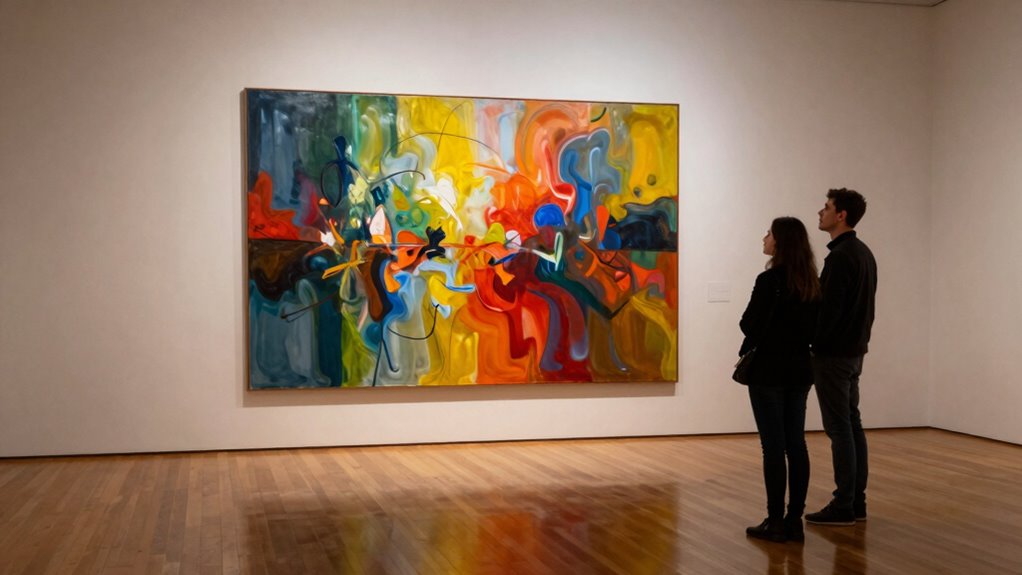

Art spaces need both technical performance and emotional atmosphere to create engaging experiences. When you walk in, lighting and sound work together to enhance what you see, inviting you to connect with the artwork on a deeper level. Thoughtful design encourages conversation and prompts you to linger, making the visit memorable. Balancing these elements transforms mere observation into a meaningful exploration. There’s much more to uncover about how these aspects elevate your art experience.
Key Takeaways
- Technical performance, like lighting and sound, enhances the emotional atmosphere, creating a more immersive art experience.
- An engaging emotional atmosphere invites visitors to explore deeper meanings and connect personally with the artwork.
- Curatorial practices thoughtfully combine technical elements and environmental design, encouraging dialogue and interaction among visitors.
- The interplay between technical performance and emotional atmosphere elevates the overall ambiance, provoking thought and stirring feelings.
- A balanced integration of both elements fosters lasting connections, encouraging repeat visits and meaningful engagement with art spaces.
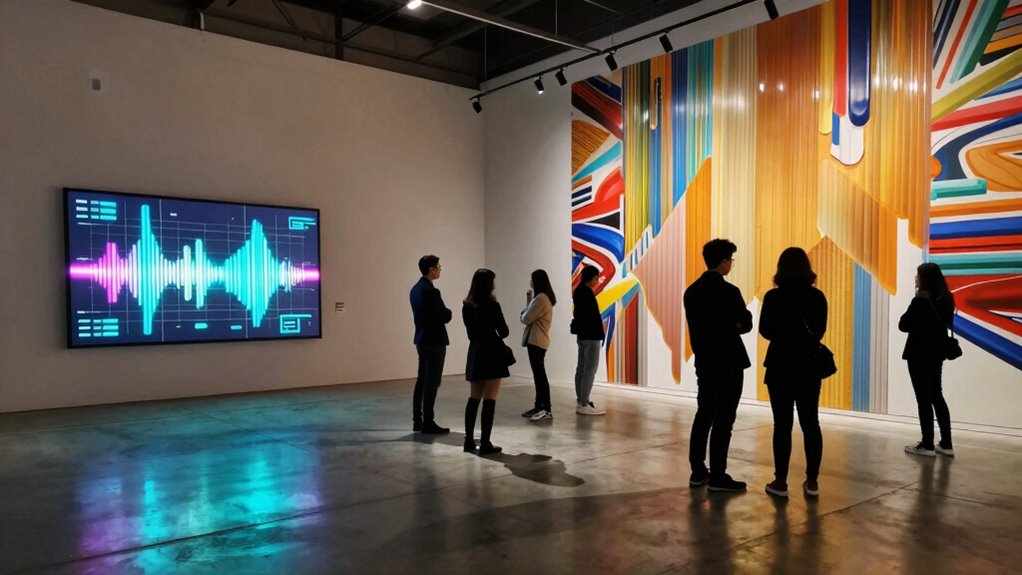
When you step into an art space, you immediately sense how technical performance intertwines with emotional atmosphere. Every element, from lighting to layout, plays a significant role in shaping your experience. Curatorial practices aren’t just about selecting artwork; they involve creating an environment that enhances your connection to what you see. The technical aspects serve as the foundation, while the emotional atmosphere invites you to explore deeper meanings.
Think about the lighting. It’s not merely a tool for visibility; it can evoke feelings, highlight specific pieces, or even create an intimate setting. When curators skillfully manipulate these technical elements, they direct your attention and guide your emotional responses. You might find yourself drawn to a particular piece, not just because of its visual appeal, but because the lighting amplifies its emotional weight. This synergy between technical performance and emotional atmosphere is essential for impactful audience engagement.
As you navigate through the space, consider how the arrangement of artwork influences your experience. A well-thought-out layout can encourage you to linger or prompt conversations with fellow visitors. Curatorial practices aim to facilitate these interactions, making audience engagement an integral part of the experience. When you feel invited to explore, discuss, or even challenge what you see, you’re participating in a dialogue that enriches your understanding. Understanding spatial design can significantly enhance this connection. Incorporating spatial design principles effectively can elevate the overall ambiance and foster a more meaningful engagement.
Moreover, the technical performance of sound can’t be overlooked. Whether it’s the subtle hum of ambient noise or the deliberate choice of background music, sound adds another layer to the emotional atmosphere. It can soothe, provoke thought, or even create tension. When curators thoughtfully incorporate these elements, they enhance your overall experience, allowing you to connect with the art on multiple levels. Recognizing how sound design influences perception can deepen your appreciation of an exhibit.
Art spaces thrive on this balance between technical excellence and emotional resonance. They’re not just galleries; they’re environments crafted to provoke thought and stir feelings. A well-curated space recognizes that your engagement goes beyond passive observation. It invites you to immerse yourself fully, encouraging a personal connection that transforms viewing into experiencing.
In addition, understanding the importance of technological performance can help curators design more immersive and compelling exhibitions.
In the end, both technical performance and emotional atmosphere are fundamental. They work hand in hand to create an art space that resonates with you. When art is presented thoughtfully, it’s not just about what you see; it’s about how it makes you feel, and that’s what keeps you coming back for more.
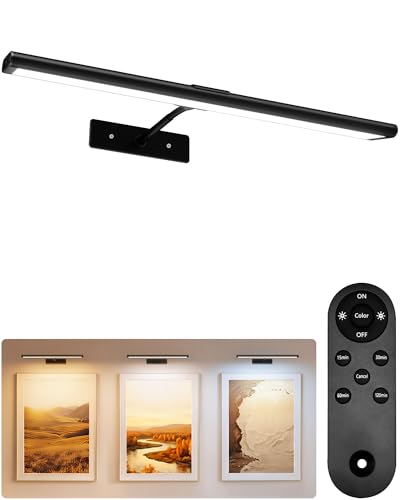
EZVALO Picture Light for Wall, 4800mAh 16'' Rechargeable Wireless IR Remote Built in Battery Lights for Painting, Dimmable Magnetic LED Art Display Light, Colors Temperatures, for Gallery, Living Room
- Rechargeable with USB-C: Built-in 4800mAh battery, USB-C charging
- Wireless & Cordless Design: Full coverage, adjustable wall light
- High-Quality Illumination: 80 LEDs, 150lm, CRI >90%
As an affiliate, we earn on qualifying purchases.
As an affiliate, we earn on qualifying purchases.
Frequently Asked Questions
How Do Art Spaces Influence Community Engagement and Participation?
Art spaces greatly boost community engagement and participation by providing platforms for creative expression. You’ll find that these venues encourage community involvement through workshops, exhibitions, and performances, allowing locals to showcase their talents. When people gather in these spaces, they connect, share ideas, and inspire one another. This collaboration fosters a sense of belonging, making art an essential part of community life while enhancing cultural vibrancy and unity.
What Role Does Lighting Play in Creating Emotional Atmosphere?
Imagine stepping into a room where the lighting dances like a gentle breeze. Lighting techniques greatly shape emotional atmosphere, drawing you into the art space’s narrative. Soft, warm lights can evoke comfort, while sharp, cool tones might stir tension or excitement. By carefully adjusting these elements, you create an emotional response that resonates deeply with visitors, making their experience not just visual but profoundly felt. In this way, lighting becomes a powerful storyteller.
How Can Technology Enhance Audience Interaction With Art?
Technology enhances audience interaction with art by creating interactive installations that invite you to engage actively. You experience digital storytelling firsthand, allowing narratives to unfold based on your choices. This immersive experience makes you feel part of the artwork, blurring the lines between observer and participant. As you touch, move, or manipulate elements, you deepen your connection to the art, transforming passive viewing into an exciting, dynamic exploration of creativity.
What Are the Economic Benefits of Investing in Art Spaces?
Investing in art spaces is like planting seeds in a garden; it nurtures community revitalization and blooms economic growth. When you support art funding, you create jobs, attract tourists, and boost local businesses. These spaces become cultural hubs, drawing diverse crowds and fostering creativity. As they flourish, they stimulate surrounding neighborhoods, enhancing property values and encouraging further investment. Ultimately, you’re not just funding art; you’re cultivating a thriving community ecosystem.
How Do Different Cultures Approach the Concept of Art Spaces?
Different cultures approach art spaces by reflecting their unique cultural expressions and artistic traditions. You’ll find that some cultures celebrate communal art experiences, while others focus on individual creativity. For instance, in many Indigenous cultures, art spaces often serve as gathering places, fostering community ties. Meanwhile, Western cultures might emphasize galleries and exhibitions that showcase individual artists. Each approach enriches the global art landscape, highlighting the diverse ways people connect through creativity.
sound system for art exhibitions
As an affiliate, we earn on qualifying purchases.
As an affiliate, we earn on qualifying purchases.
Conclusion
In the world of art spaces, technical performance and emotional atmosphere are like two dancers in a perfectly choreographed duet. Without one, the other loses its impact, leaving audiences disconnected. When both elements harmonize, they create an immersive experience that resonates deeply, inviting you to explore the artwork in a new light. So, let’s embrace the balance—because it’s in that sweet spot where art truly comes alive, sparking connection and inspiration in ways you never imagined.
As an affiliate, we earn on qualifying purchases.
curatorial lighting design tools
As an affiliate, we earn on qualifying purchases.
As an affiliate, we earn on qualifying purchases.